
Last updated November 15, 2026
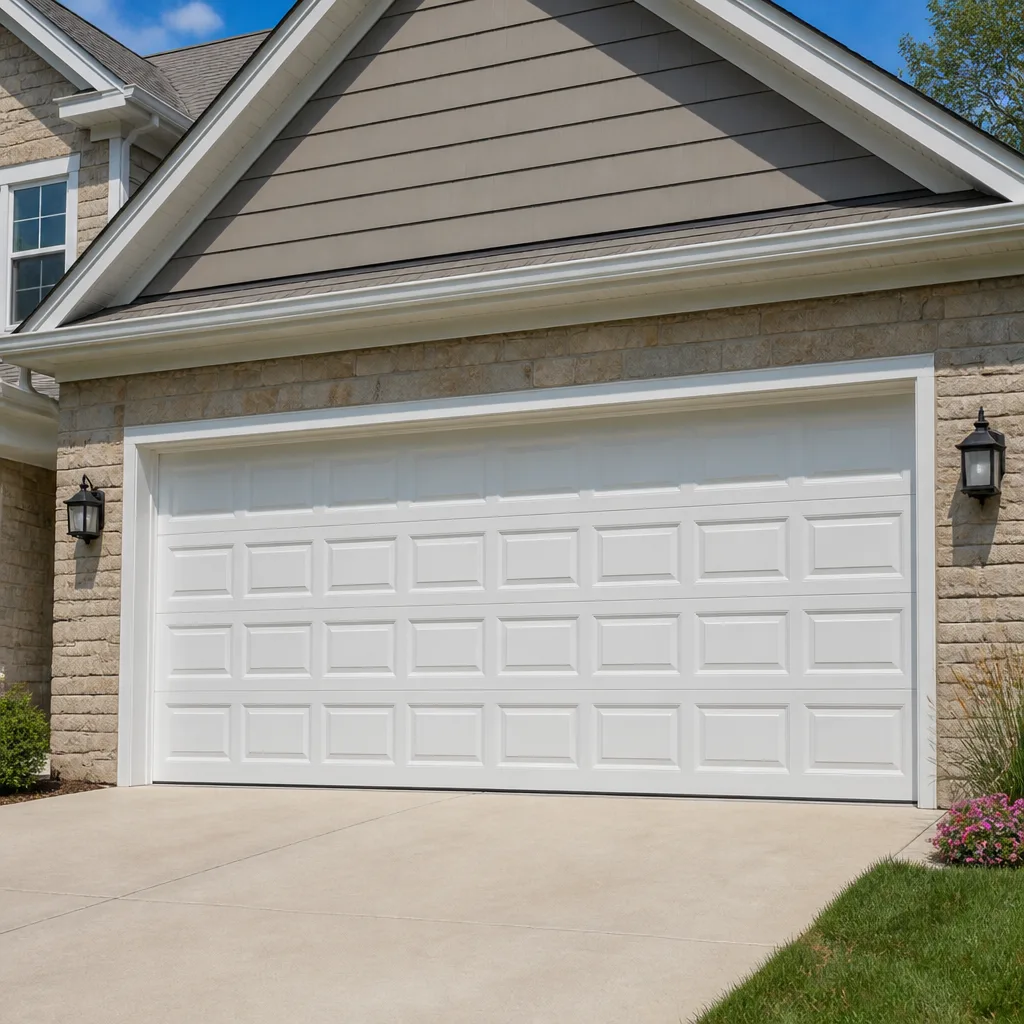 Raised-panel steel
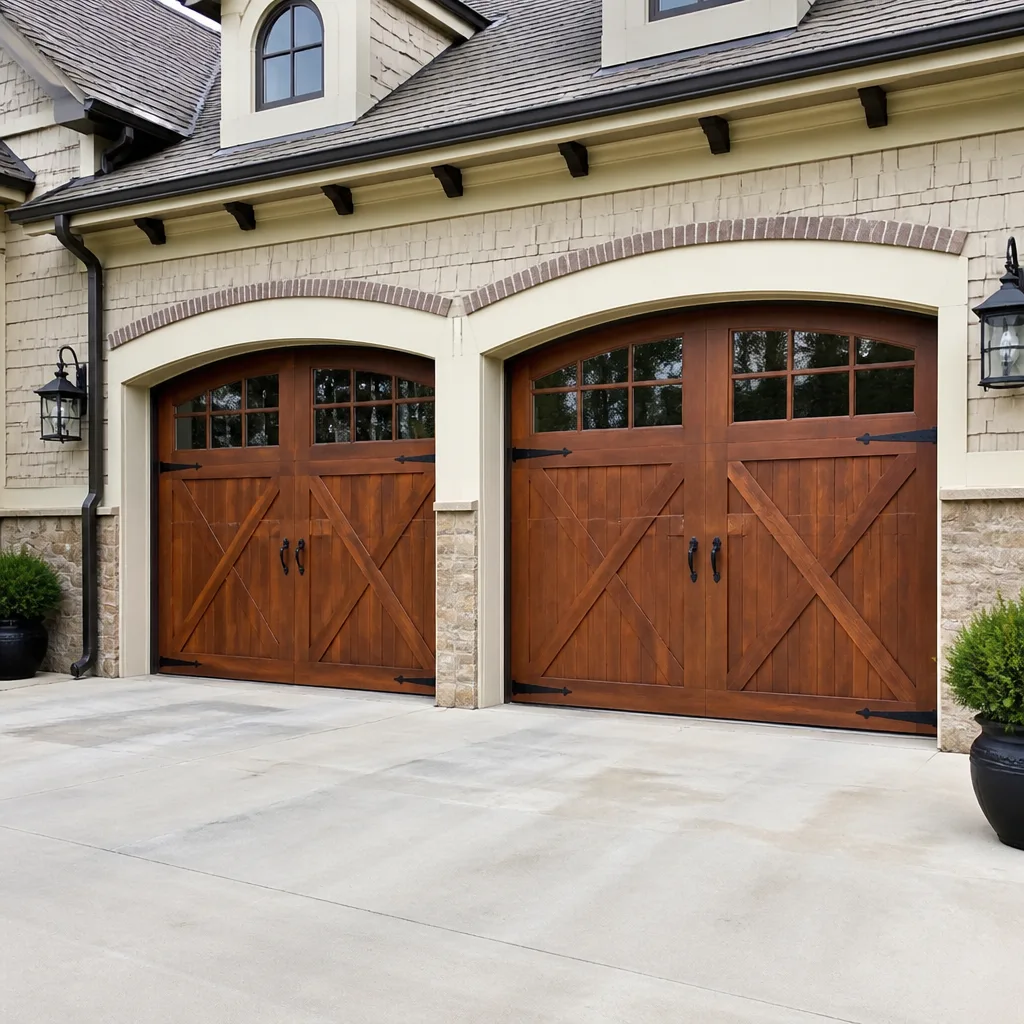 Carriage house
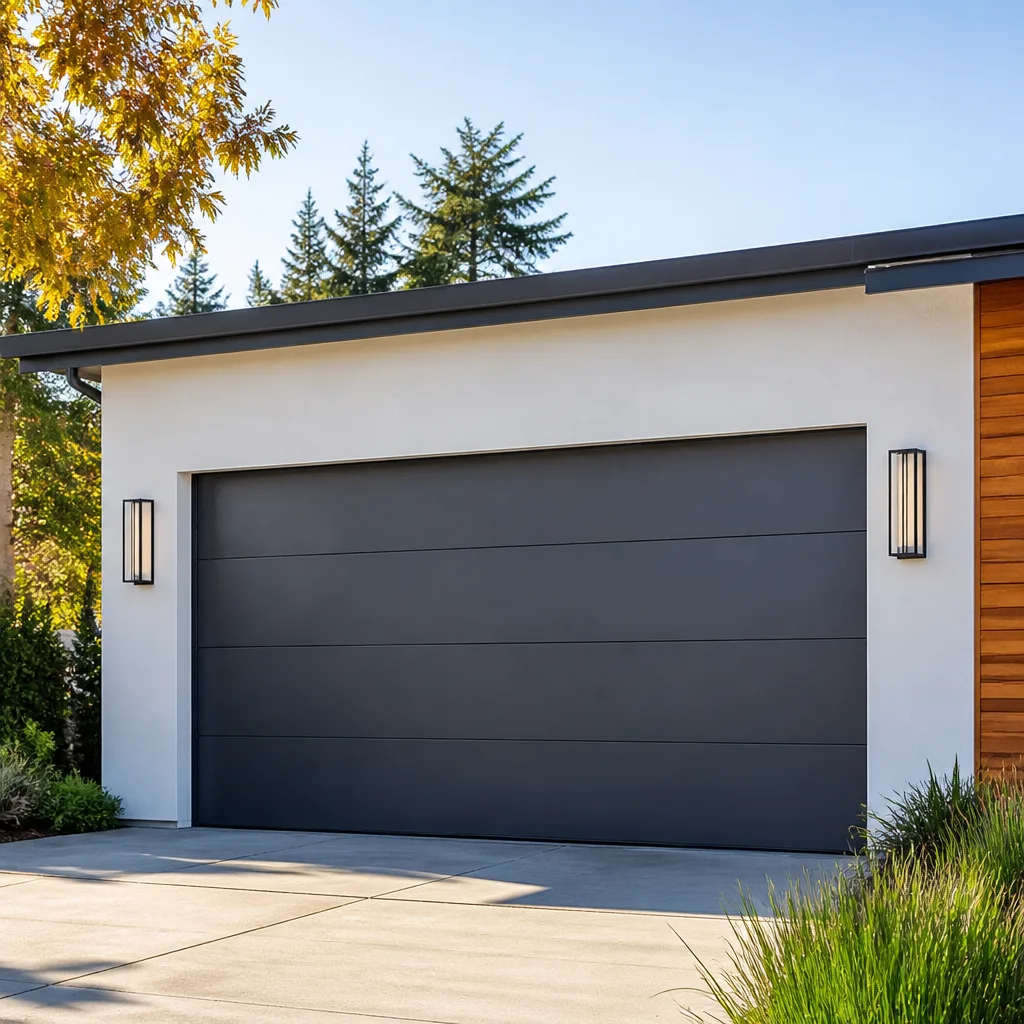 Modern flush
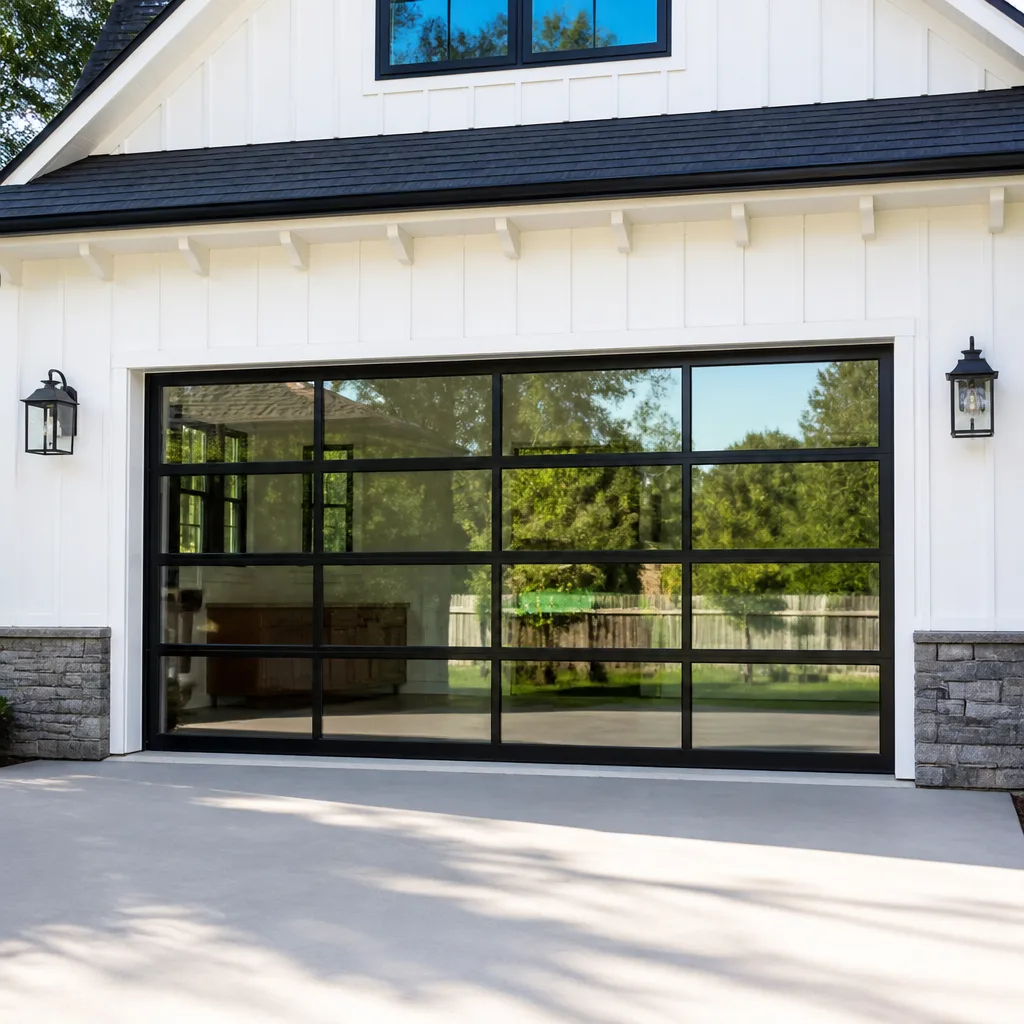 Full-view glass
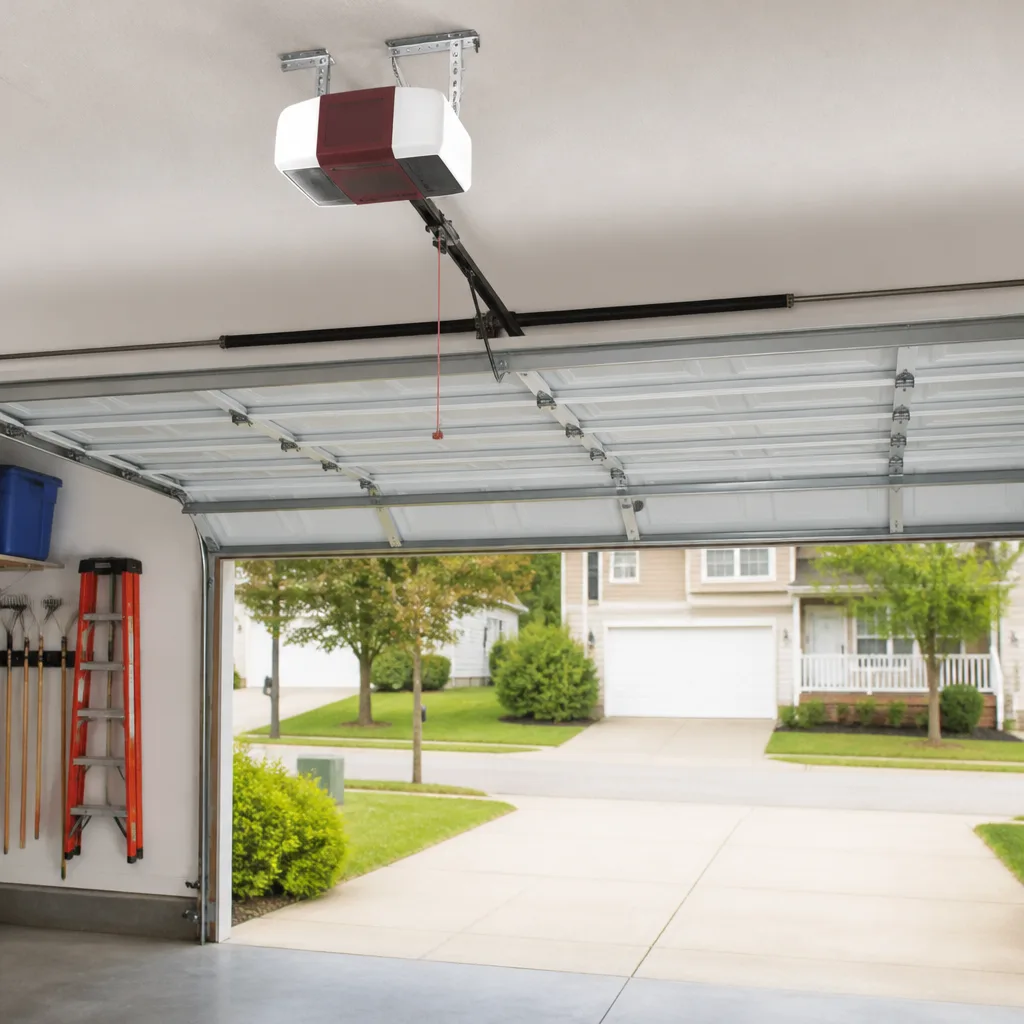 LiftMaster openers
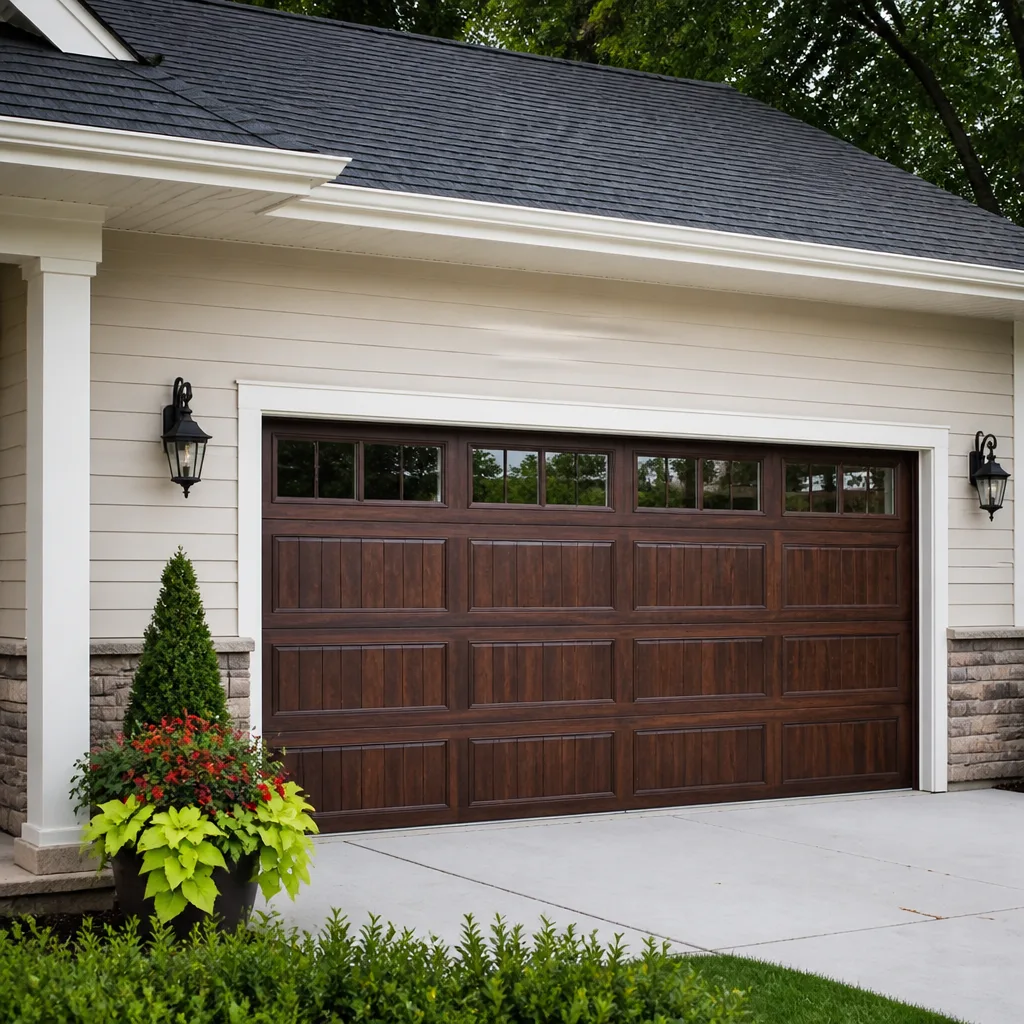 Chamberlain openers
Full 25-point door and opener safety check with every visit - springs, cables, rollers, tracks, and your LiftMaster or Chamberlain opener included
You get a price before we start. It does not change when the pro arrives.
Get your free estimateGarage Door Warning Signs: A Deltona Homeowner’s Reference Guide
Most garage door failures don’t start with a bang. They start with a half-second hesitation, a sound you can’t place, or a door that closes a little harder than it used to. In Deltona‘s heat and humidity, those small signals show up earlier and mean different things than the national guides suggest. That hesitation you’ve been dismissing as normal is often the first measurable sign of a torsion spring losing tension, and it can come weeks before the door stops working entirely. This guide skips the obvious checklist and gives you a symptom-to-cause decoder built for Deltona homes: what each sound points to, which visual signs matter most here, and how to tell an urgent problem from one you can schedule.
Quick Answer
The main warning signs of a failing garage door in Deltona are a door that hesitates before moving, grinding or popping sounds, visible rust on springs or cables, uneven panel gaps, and an opener that reverses or strains under load. In Florida’s heat and humidity, spring tension loss and cable corrosion tend to show up early and quietly, so the half-second hesitation and the first flecks of rust are the two signals most worth acting on before they turn into a snapped spring or a stuck door.
Styles & brands we work with
- Raised-panel steel
- Carriage house
- Modern flush
- Full-view glass
- LiftMaster openers
- Chamberlain openers
Table of Contents
- Why Garage Door Warning Signs Look Different in Deltona
- Is Your Door Slow, Straining, or Hesitating? Telling the Three Causes Apart
- The Sound Decoder: What Grinding, Popping, Rattling, and Squealing Actually Mean
- Visual Signs Specific to Deltona Homes
- Humidity and Cable Fraying: The Sign Most Homeowners Miss
- Warning Signs That Need Same-Day Service vs. Signs That Can Wait
- What to Check Yourself and What to Leave to a Technician
- Seasonal Checks That Keep a Deltona Door Ahead of Trouble
Why Garage Door Warning Signs Look Different in Deltona
A garage door is a mechanical system built to tolerances measured in fractions of an inch, and those tolerances change with temperature and moisture. That’s the core reason a Deltona door wears differently than the same door in a milder climate. National guides are written for a generic average, and the average doesn’t include the long, humid stretches this part of Central Florida gets for most of the year.
Three forces are at work on every Deltona garage door:
- Heat cycling. The metal of the door panels, tracks, and springs expands in the afternoon heat and contracts overnight. Over time, that daily expand-and-contract loosens fasteners, works seals open, and puts steady stress on the joints that hold the door together.
- Humidity. Springs and cables are steel under constant tension, and moisture in the air is what turns a clean cable into a frayed one. Humidity doesn’t cause a garage door to fail overnight, but it accelerates the corrosion that weakens both springs and cables across a long stretch of months.
- Storm cycling. Central Florida sees frequent wind and rain events, and every one of them tests the door’s weather seal, its balance, and the fasteners holding it in place. A door that rides smoothly most days can be nudged slightly out of alignment by a strong gust, and you’ll notice it as a rub or a rattle long before the door refuses to move.
What this means in practice: the warning signs in Deltona appear in a specific order. Spring tension loss comes first, usually showing as hesitation. Cable corrosion and fraying come next, often invisible until you know where to look. Panel and seal wear follow, driven mostly by sun exposure on west-facing doors. If you know the order, you can catch the problem at the cheap stage. Miss the sequence and the same failure turns expensive. When you do reach the point where a repair is the answer, our garage door repair team works on the specific brand in your driveway, whether it’s a Clopay, an Amarr, or another of the eight brands we handle.
Is Your Door Slow, Straining, or Hesitating? Telling the Three Causes Apart
A door that feels “slow” isn’t one problem, it’s three different problems wearing the same disguise. The cause matters, because spring tension loss, opener motor wear, and track friction each need a different fix. You can often tell which one you’re dealing with from the outside, without tools, by watching and listening carefully.
Cause 1: Spring tension loss
The torsion spring (or extension springs on some doors) is what balances the weight of the door. When it loses tension, the opener motor has to pick up the slack. The signature of spring tension loss is a door that hesitates at the very start of travel, then moves normally once it’s going. The door itself may also feel heavier to lift by hand or sag slightly when opening. On a Deltona door, this is usually the first cause to develop, and it’s the one that often sits weeks ahead of a break.
Cause 2: Opener motor wear
If the opener head sounds labored or the door moves slowly and smoothly from the start, with no initial hesitation, the motor is more likely the issue. Motor wear shows up on older Chamberlain or Genie openers as reduced pulling power under load, or as a chain or belt that struggles to move the door. The door isn’t the problem here; the opener is.
Cause 3: Track friction
Track friction shows up as rubbing, a visible wobble in the door as it moves, or a door that jams at one specific point along its travel. Look at the gap between the rollers and the track on both sides. If the door is crooked or the rollers look misaligned, friction is your cause. A door that stops at the same spot every time is almost always a track or roller issue.
Quick triage: how to tell them apart
- Watch the first 6 inches of travel. A hesitation that disappears once the door is moving points to spring tension. Steady slowness from the first inch points to the opener.
- Listen at the opener head, not the door. If the motor itself sounds strained, the opener is a candidate. If the door moves easily but the motor works hard, the spring is more likely.
- Look for a crooked door. A door that hangs at an angle or wobbles points to a track or roller problem.
- Check for a single stopping point. A door that stops at the same spot repeatedly is a track friction issue, not a balance issue.
- Note which is older, spring or opener. If the spring has been on the door a long time and the opener is newer, suspect the spring first.
If the opener itself is the issue, that’s a separate service from door repair. Our garage door opener repair team handles the motor and control side of the system. A careful diagnosis here matters because it’s the difference between replacing a part you don’t need and fixing the one that’s actually failing.
The Sound Decoder: What Grinding, Popping, Rattling, and Squealing Actually Mean
Your door tells you what it needs before it stops working, and each sound maps to a specific cause. In a Florida-climate door, the mapping is a little different from a cold-weather door, because humidity and heat change how each component wears. Use this decoder as a starting point, not a verdict.
Grinding
Grinding usually comes from metal-on-metal contact: a dry roller, a worn hinge, or a track that’s been pushed slightly out of alignment. In Deltona, grinding is more likely to appear after a stretch of humid weather because rollers dry out and pick up grit. Persistent grinding that stays after the door starts moving points to the rollers or hinges rather than the opener.
Popping
A single pop when the door starts or stops is often the torsion spring shifting inside its brackets. A series of pops as the door travels can indicate that the cable is catching or the spring is twisting unevenly. Pop on a torsion spring is worth treating seriously: a spring under tension that’s already showing symptoms can fail without any more warning than this. Don’t try to adjust a torsion spring yourself; it’s under enough stored energy to cause serious injury.
Rattling
Rattling means the door is loose somewhere. Common sources are a bolt that’s backed out, a hinge that’s worked free, a weather seal that’s detached, or a panel that’s come slightly loose in its frame. Rattling is often the cheapest warning sign to fix, and it’s one of the most useful to act on early, because a loose door puts more stress on the opener and the spring.
Squealing
Squealing is nearly always a lubrication issue. Rollers, hinges, and springs are the usual sources, and the sound tends to get louder as the friction increases. In Deltona’s humidity, a door that squeals through a dry or humid stretch is often one where a roller or hinge has lost its coating. Persistent squealing is a good reason to have the door looked at, because friction is what translates into strain on the opener and spring over time.
One rule before you go further: whatever the sound, if it’s paired with a door that won’t move, keeps reversing, or visibly hangs on one side, treat that as a safety problem and stop operating the door. A garage door is the largest moving object in most homes, and a door that’s off its track is not something to force open or closed. If you’re not sure which category you’re in, a quick call settles it faster than a guess.
Visual Signs Specific to Deltona Homes
Some warnings are loud. Others are quiet, and you’ll only find them if you know what to look for on a Deltona door. These visual signals are the ones most often missed on a routine walk-past:
Rust patterns on springs and cables
Rust on a spring or cable isn’t just cosmetic; it’s a signal of accelerated corrosion. Look for the fine orange-brown flecks where the cable bends around a drum, or the rings of rust on the coil of a torsion spring. Corrosion on these parts shows up in Deltona more quickly than in drier climates because the air holds moisture for months at a time. The rust doesn’t have to be heavy to matter. A cable that’s begun to corrode there is thinner than the manufacturer intended and more likely to fail.
Panel warping from sun exposure
West-facing doors take the brunt of the afternoon sun, and that daily heat cycling can warp a panel over time. A panel that’s slightly bowed will still let the door open, but it changes how the door travels through the tracks and puts uneven stress on the spring. Look down the length of the door along the top edges of the panels; if one panel is bowing or its edges no longer line up with the next, the door needs attention before the imbalance causes a bigger repair. Steel and wood-look doors are more forgiving than some materials, but any door works harder once a panel has lost its shape.
Seal degradation from heat cycling
The bottom seal and the perimeter weatherstripping are the first parts to feel the heat. A seal that’s cracked, torn, or flattened lets water and hot air into the garage, which pushes more humidity onto the springs and cables. In our experience, a door’s seal is one of the cheapest fixes and one of the most effective for slowing corrosion. A worn seal is also a sign the door isn’t sealing properly at the bottom, which is worth checking for water intrusion after a good rain.
Uneven gaps and misaligned panels
If the gap between the door and the frame is wider on one side than the other, the door is probably off balance or the track has moved. Uneven gaps are often the first visual sign that the door’s balancing system is losing tension. Measure the gap at both sides of the door with a tape; a noticeable difference between sides is a good reason to stop running the door and have it checked.
Humidity and Cable Fraying: The Sign Most Homeowners Miss
Cable fraying in a Florida garage doesn’t look like the pictures in a nationwide guide. Mechanical wear on a cable usually shows up as flattened strands and a polished look on the cable’s surface. Humidity-driven fraying is quieter and more dangerous: the individual strands break from the inside, so the cable can look mostly intact right up until it snaps.
Here’s what to look for instead of the obvious:
- Fine fuzz on the cable surface. Individual brushed strands that lift slightly from the braid, especially anywhere the cable wraps around a drum or pulley.
- Color change along the cable. Brown or orange tinting is a sign of corrosion that’s eating the strands from the inside.
- Sharp kinks or “birdcaging.” A spot where the cable’s lay has opened up into a small spring-like bulge. That’s a structural warning, not a cosmetic one.
- Tension mismatch between the two sides. A cable that hangs lower or looks looser than its counterpart on the other side of the door.
If you can see fuzz, kinks, or obvious corrosion, treat it as urgent. A broken cable on a functional door is a serious safety event, and it can bring the whole door down. Cables, springs, and the balancing system of a garage door are not a safe DIY job; they store enough energy to hurt you seriously, and the right move is to stop using the door and have a trained technician look at it. In Deltona, we see humidity-driven cable wear on doors that look perfectly fine from the front of the driveway, which is why the visual check is worth a minute of your time.
Warning Signs That Need Same-Day Service vs. Signs That Can Wait
Not every warning sign is an emergency, and treating them all with the same alarm wastes your money. Here’s an honest split. If you’re ever unsure which column you’re in, call (866) 611-8038; a quick conversation sorts it out.
Same-day service signs (stop using the door)
- The door is off its track or visibly crooked.
- The door won’t open or close at all.
- You’ve heard a loud pop and the door now feels extremely heavy.
- You can see a broken or obviously frayed cable.
- The door reverses without obstruction or closes on something small.
- The spring is visibly broken (a gap in the coil).
These are safety events. A door that’s off balance or off its track can fall, and a cable under tension can snap. Keep the door where it is and call us.
Scheduled appointment signs (don’t ignore, but not urgent)
- Grinding, squealing, or rattling that comes and goes.
- A door that hesitates before moving but still opens and closes fully.
- Light rust on springs or cables with no obvious fraying.
- A seal that’s cracked or worn but the door still closes evenly.
- A single popped or strained sound without a change in door behavior.
These should be booked rather than watched, because the underlying causes get worse with use. The key difference: if the door is still moving under control and nothing looks structurally threatening, it’s a scheduled appointment. If the door’s movement or balance has changed, it’s not. When in doubt, the safest answer is to stop operating the door and have it looked at.
If you’re calling because the opener seems to be the source, remember that a slow or failing opener is a different service from a failing door. We treat them separately so the diagnosis is right, and our team carries experience across Chamberlain, Genie, and the other major opener brands. That’s part of why scheduling Deltona door service with a specialist is worth the call.
What to Check Yourself and What to Leave to a Technician
A homeowner can safely do more than most guides suggest, and less than some do-it-yourself advice implies. The line is the stored energy inside the door’s balancing system. Springs and cables are under constant tension, and the safest way to handle them is to leave them to a trained technician. Here’s where that line sits:
Safe for you to check:
- Watch the door travel from the outside and note the first few inches of motion.
- Listen at the opener head and the door separately for the sound decoder.
- Look at the cable at the drums, along its length, and at the point it joins the door.
- Inspect the spring coil for visible gaps, rust, or broken windings.
- Measure the gap between the door and the frame on both sides.
- Check the bottom seal and perimeter weatherstripping for cracks and wear.
- Read the opener’s manual on how to test the safety reversal with a small object.
Leave to a technician:
- Adjusting or replacing torsion or extension springs.
- Replacing or adjusting cables.
- Re-aligning the track or re-hanging a panel.
- Balancing the door or resetting the door’s travel limits.
None of those last four are even a good idea to try. The stored energy in a wound spring or a tensioned cable can cause a serious injury in an instant, and there’s no way to fully know the tension state of a door that’s already showing warning signs. That’s the reasoning behind our own safety rule on every job: we don’t tension or adjust a spring we haven’t inspected, and we don’t run a door that isn’t balanced. Our technicians have up to 12 years of experience, and that experience is mostly about knowing which parts of the door to leave alone until you’ve checked them.
Seasonal Checks That Keep a Deltona Door Ahead of Trouble
A few checks on a simple schedule prevent most of the failure modes on this page from getting expensive. The list below isn’t a service plan; it’s a routine you can do yourself on a few minutes a month. Do them in the morning, when temperatures are mild and the door is at its most stable.
- Monthly: watch the first few inches of travel. Note whether the door hesitates. If it didn’t last month and it does this month, that’s a change worth documenting.
- Monthly: listen from outside the door. Run the door once and listen for grinding, popping, or rattling from the top down. Changes in sound often show up before anything else.
- Every three months: inspect the cables. Look for fuzz, kinks, color change, and tension mismatch between sides. Stop using the door if you find a kink or a heavy fray.
- Every three months: inspect the springs. Look for rust, a visible gap, or uneven winding. Don’t attempt to adjust anything you find.
- Every three months: check the seal and weatherstripping. Look for cracks, tears, or a bottom seal that’s come loose. A worn seal lets humidity in and lets your treated air out.
- Before storm season: clear the tracks. Small debris in the track is a common source of track friction and rattling. A clean track is one less thing to fail.
- Annually: have the door balanced by a technician. Door balancing and spring tension are the parts you can’t safely evaluate yourself.
Keep a short log: date, what you heard, what you saw. The log is what turns a vague “it seemed slower last month” into a clear reason to call, and it helps a technician find the right problem faster. If you’d rather have a specialist walk the door with you, our Ardent Garage Door Repair team is the one to call.
Common Mistakes to Avoid
- Ignoring the hesitation. The half-second pause before a door moves is easy to dismiss because it goes away once the door is moving. In Deltona’s heat, that pause is often the first measurable sign of spring tension loss, and waiting until it stops moving entirely turns a repair into a replacement.
- Forcing a stuck door. Pulling a door that’s off balance or off track doesn’t fix anything and can drop it. If the door isn’t moving under its own power, stop and call.
- Spraying an unlubricated spring with the wrong product. Some lubricants attract dust and grit in a humid climate, making the problem worse. Use what the opener or door manufacturer recommends, and never try to loosen a torsion spring by lubricating it.
- Treating all cables as “good” because they look intact. Humidity-driven fraying happens from the inside out. Fuzz, kinks, and color change matter more than a clean exterior.
- Mistaking opener wear for door failure. Replacing a door that’s working perfectly when the opener is the failing part wastes money. Watch the first inches of travel and the alignment to tell the difference.
- Letting a broken seal go. A torn or flattened seal lets water and humidity into the garage, which accelerates rust on springs and cables. This is one of the cheapest and most effective pieces of maintenance you can do here.
- Running the door after a loud pop. A pop is a signal to stop, not a sound to ignore because the door still opens. Springs and cables that have already shown a symptom can fail on the next cycle.
See the difference
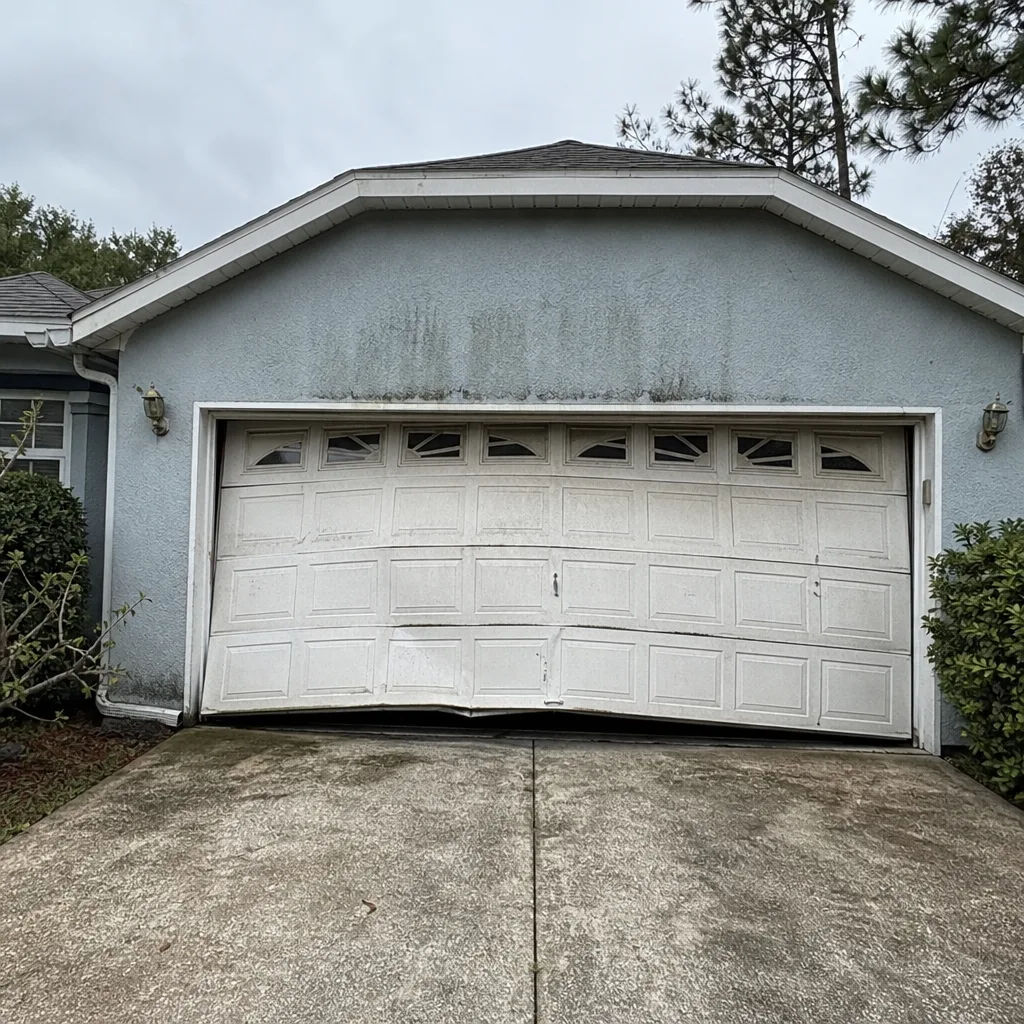 Before
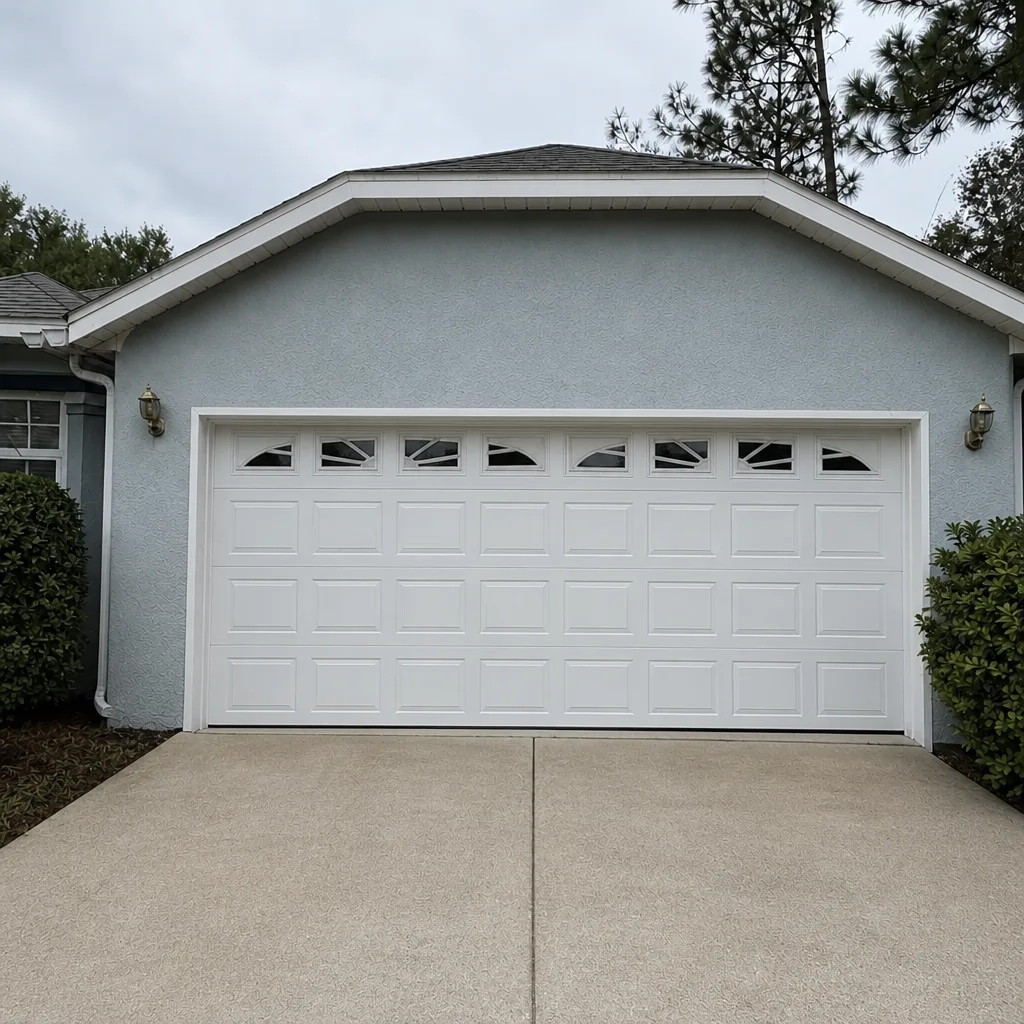 After
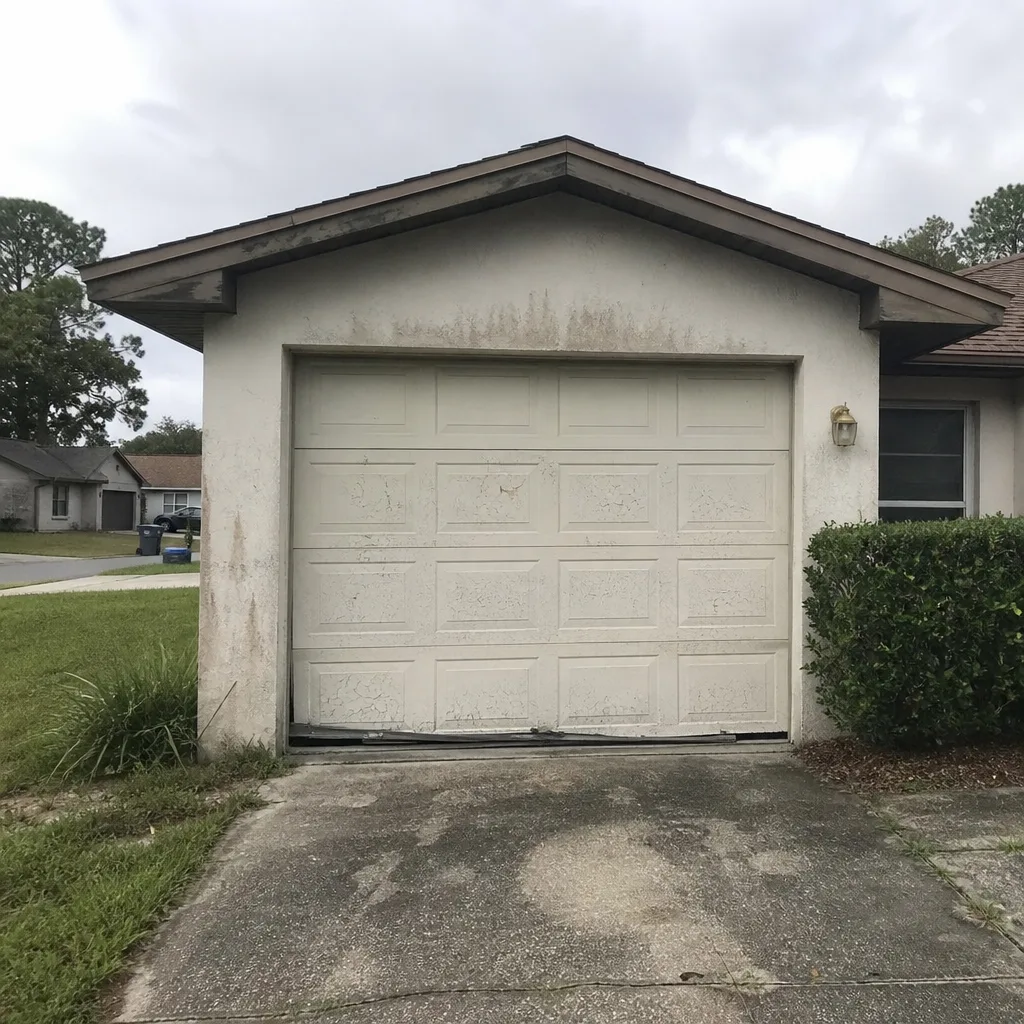 Before
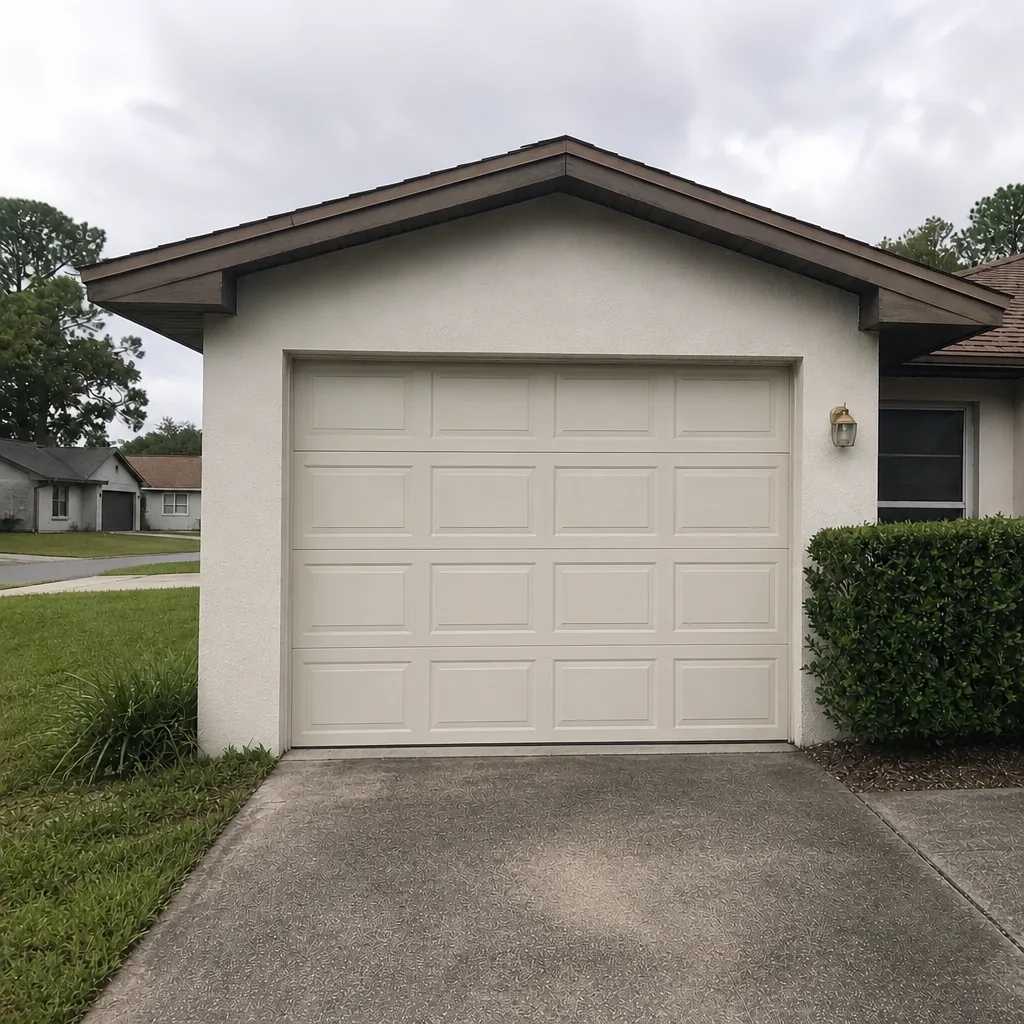 After
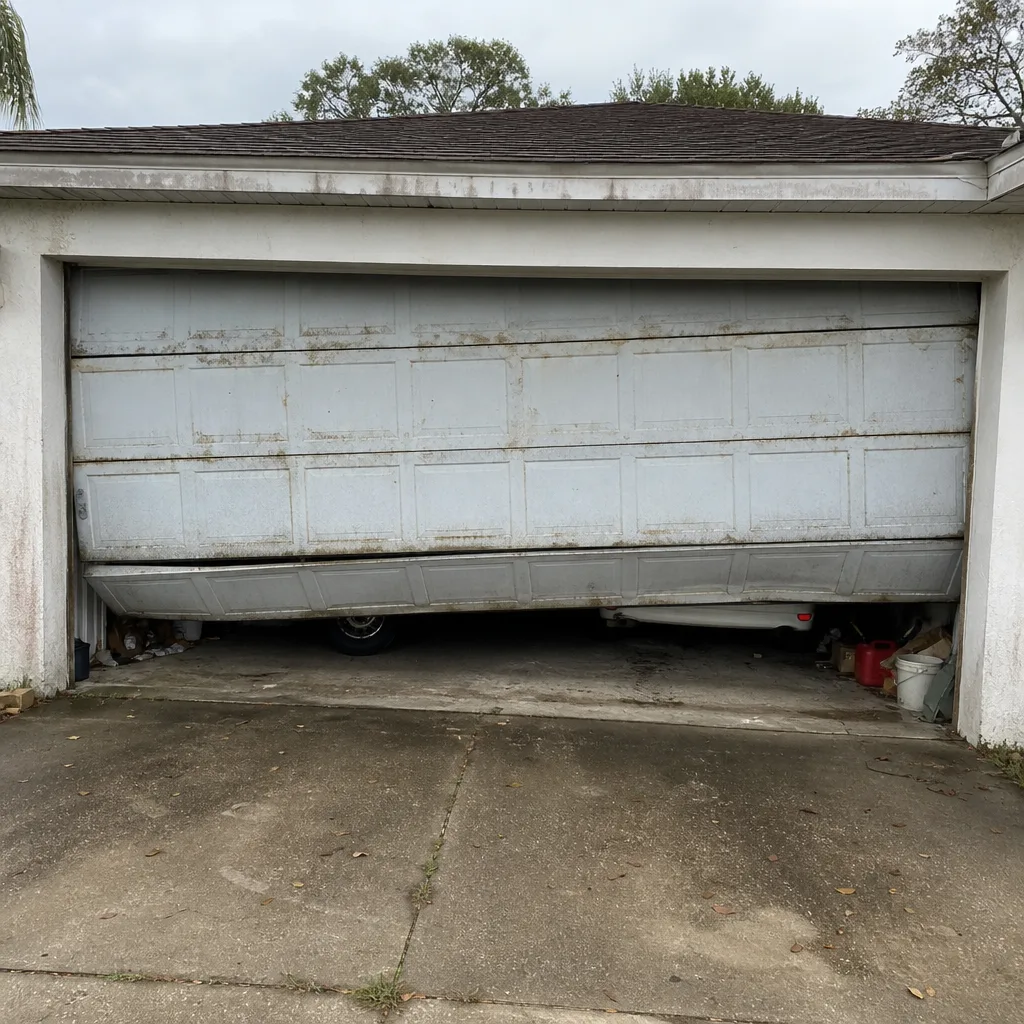 Before
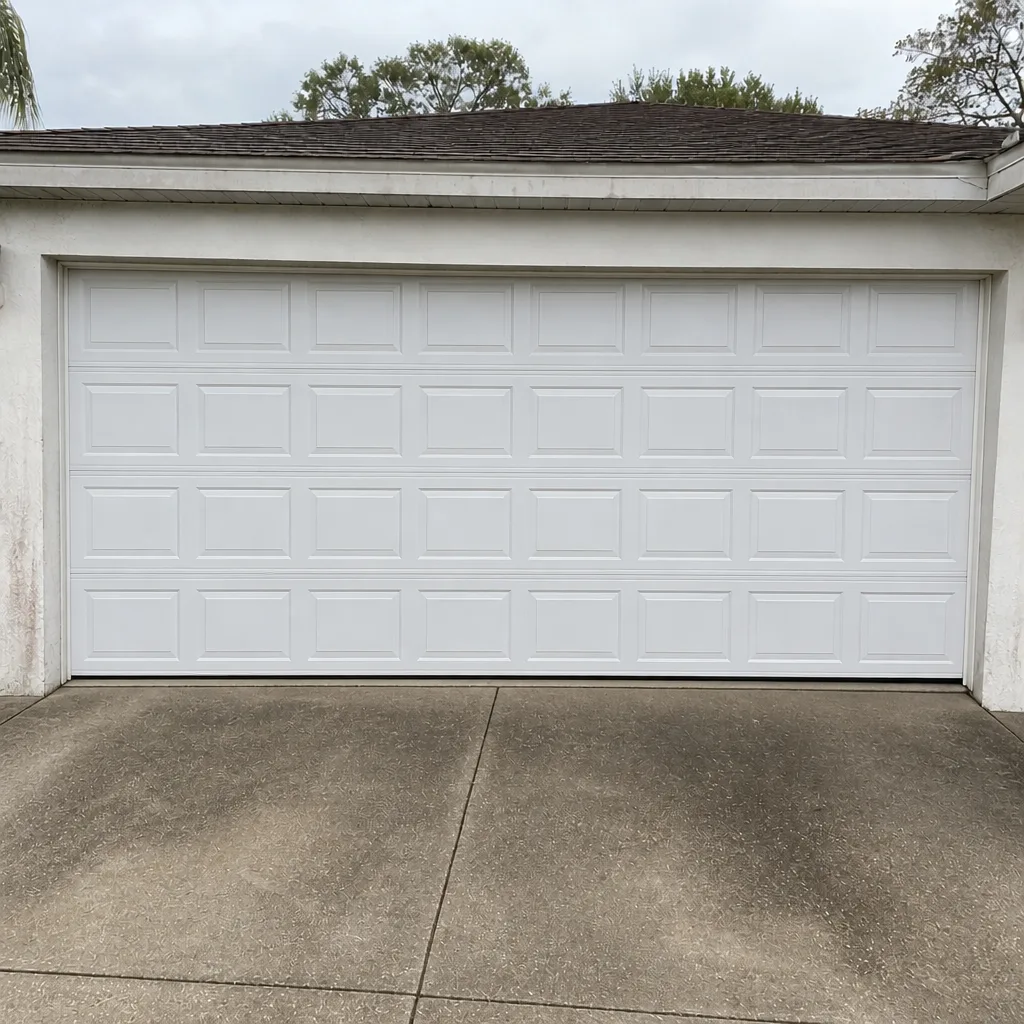 After
When to Call a Professional
Call a professional when the door is off its track, won’t open or close, has a visible cable break or heavy fray, or has gone from a small hesitation to a door that feels heavy or reverses on its own. Call us if you hear a pop with a change in behavior, if a spring has a visible gap, or if you simply can’t tell which column you’re in on the triage list. If you’ve spotted rust or fuzz on a cable but the door still moves smoothly, that’s a scheduled appointment, not a same-day emergency; still worth booking sooner rather than later. Ardent Garage Door Repair offers free estimates in Deltona, and we work on the brand that’s actually in your driveway, from Clopay and Amarr doors to Chamberlain and Genie openers. Call (866) 611-8038. We answer 24/7. Fast dispatch from 7am to 7pm, Sunday through Friday.
We’ll give you a written estimate before any work starts, so you know the price before a single part comes off the door. The estimate is free, and it’s set per job.
Frequently Asked Questions
The first sign is usually a hesitation before the door starts moving, followed by light rust or fuzz on cables and springs. These show up before any visible failure because Deltona’s heat and humidity accelerate spring tension loss and cable corrosion. If you see or hear either signal, have the door checked before it stops working.
Watch the first 6 inches of travel: a hesitation that clears once the door is moving points to spring tension loss, and steady slowness from the start points to opener motor wear. A door that hangs crooked or wobbles points to a track or roller problem. If you’re still unsure, a quick call gives you a straight answer.
No. A garage door cable is under significant tension, and a cable that’s already frayed or broken can fail without warning. Leave cable repair to a trained technician, and don’t use the door until it’s checked.
It’s a real problem. Squealing usually means a roller, hinge, or spring has lost its lubrication, and friction over time strains the opener and spring. It’s cheaper to fix the source now than to replace the worn parts later.
Rust on a spring means the steel is weakening, and it’s a sign to have the spring inspected rather than ignored. A technician can measure the spring’s tension and see whether it’s still within spec. Don’t try to adjust or replace a spring yourself.
Call today if the door is off its track, won’t move, reverses without obstruction, has a broken or obviously frayed cable, or has a visible gap in the spring. These are safety events. Call (866) 611-8038. We answer 24/7, and fast dispatch runs from 7am to 7pm, Sunday through Friday.
The Bottom Line
Garage doors in Deltona warn you long before they fail, and the first signals are usually small: a hesitation, a sound you can’t place, a line of rust on a spring. Those signals arrive in a specific order because of the local heat, humidity, and storm cycling, and catching them at the cheap stage is the whole point of this guide. The door’s balancing system is the part to leave alone; your job is to watch, listen, and log. If the door is still moving under control, it’s a scheduled appointment. If its movement or balance has changed, stop and call. Free estimates, written before any work starts, and a team that works on your brand, not just one it prefers.
Written by the team at Ardent Garage Door Repair.