
Last updated November 15, 2026
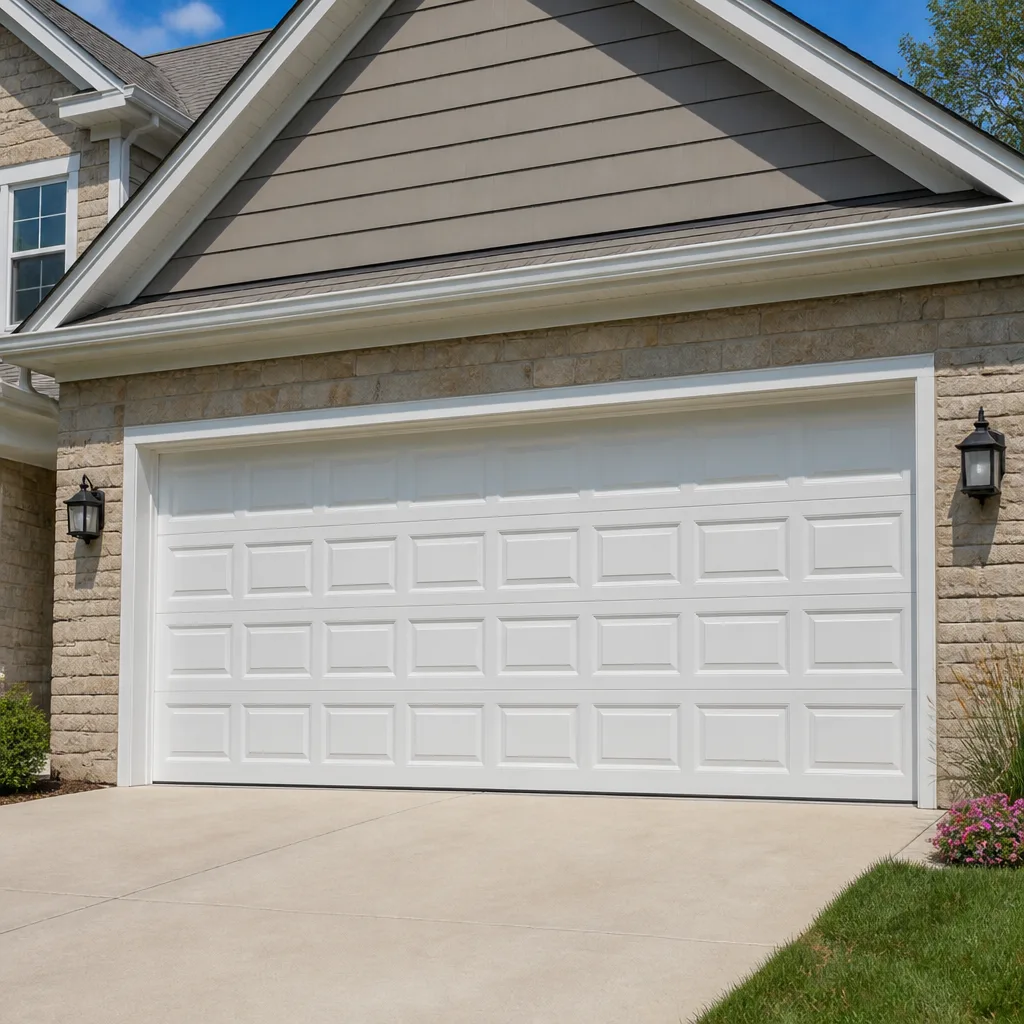 Raised-panel steel
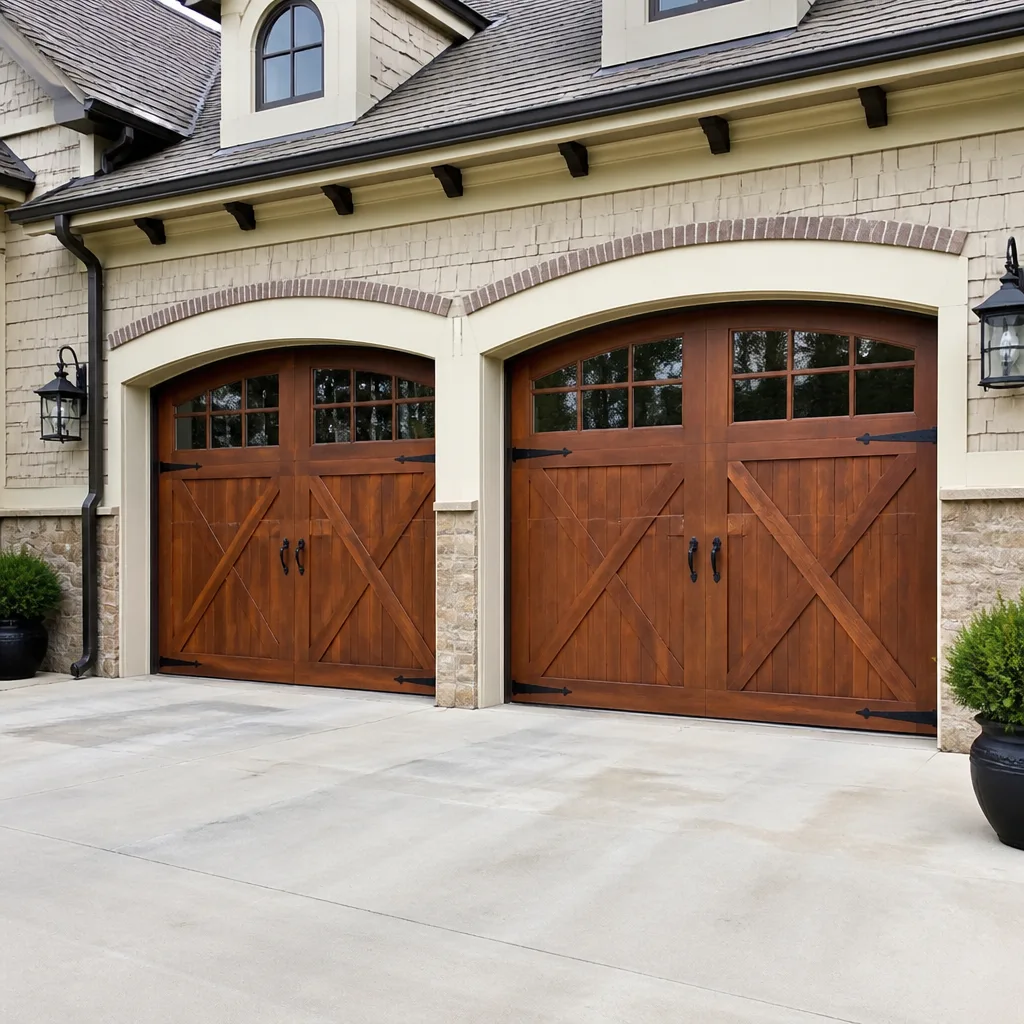 Carriage house
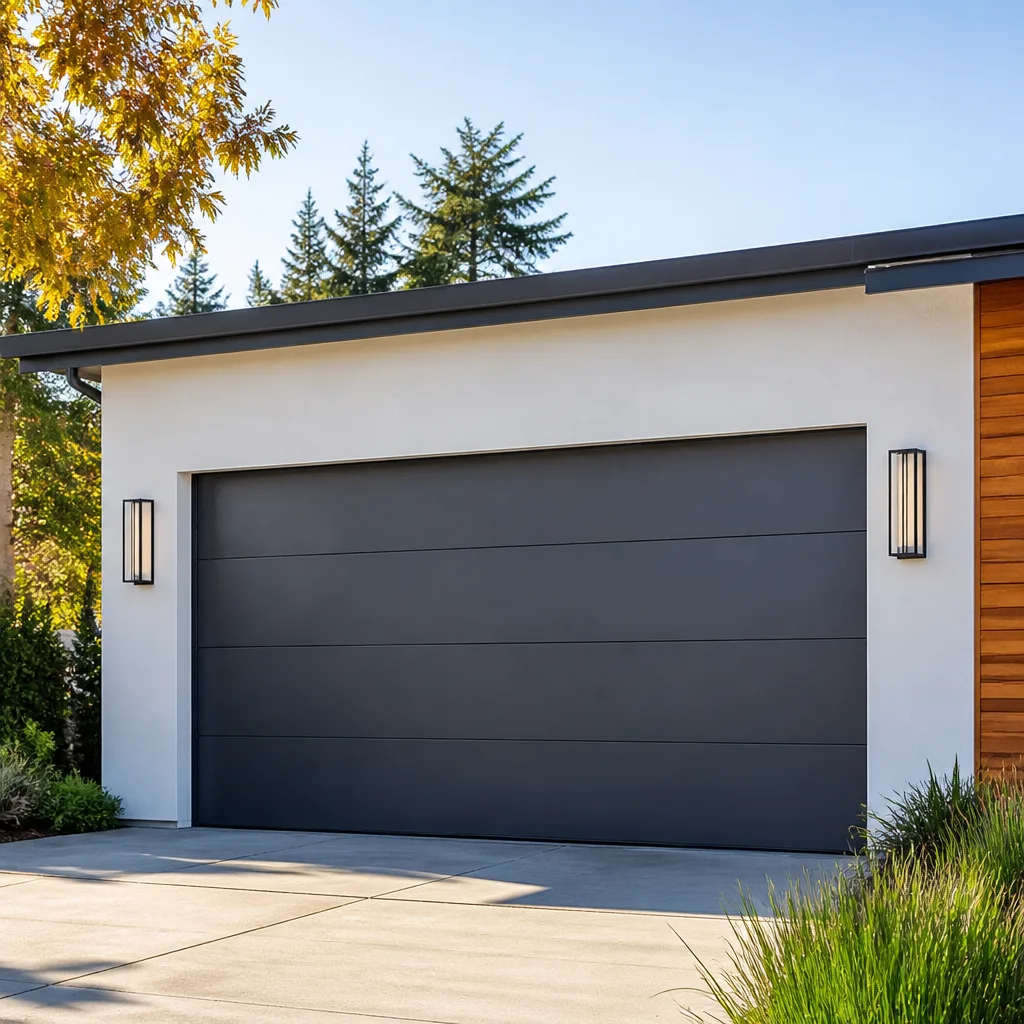 Modern flush
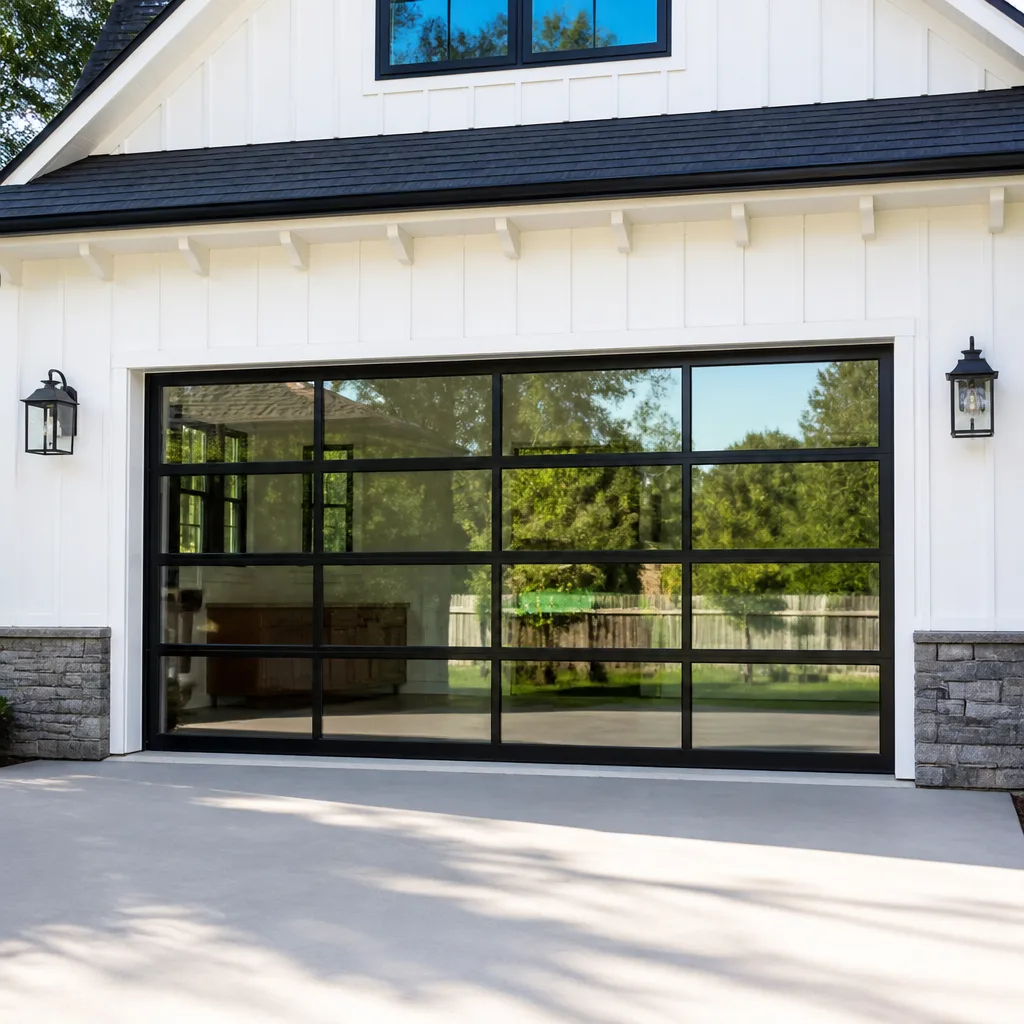 Full-view glass
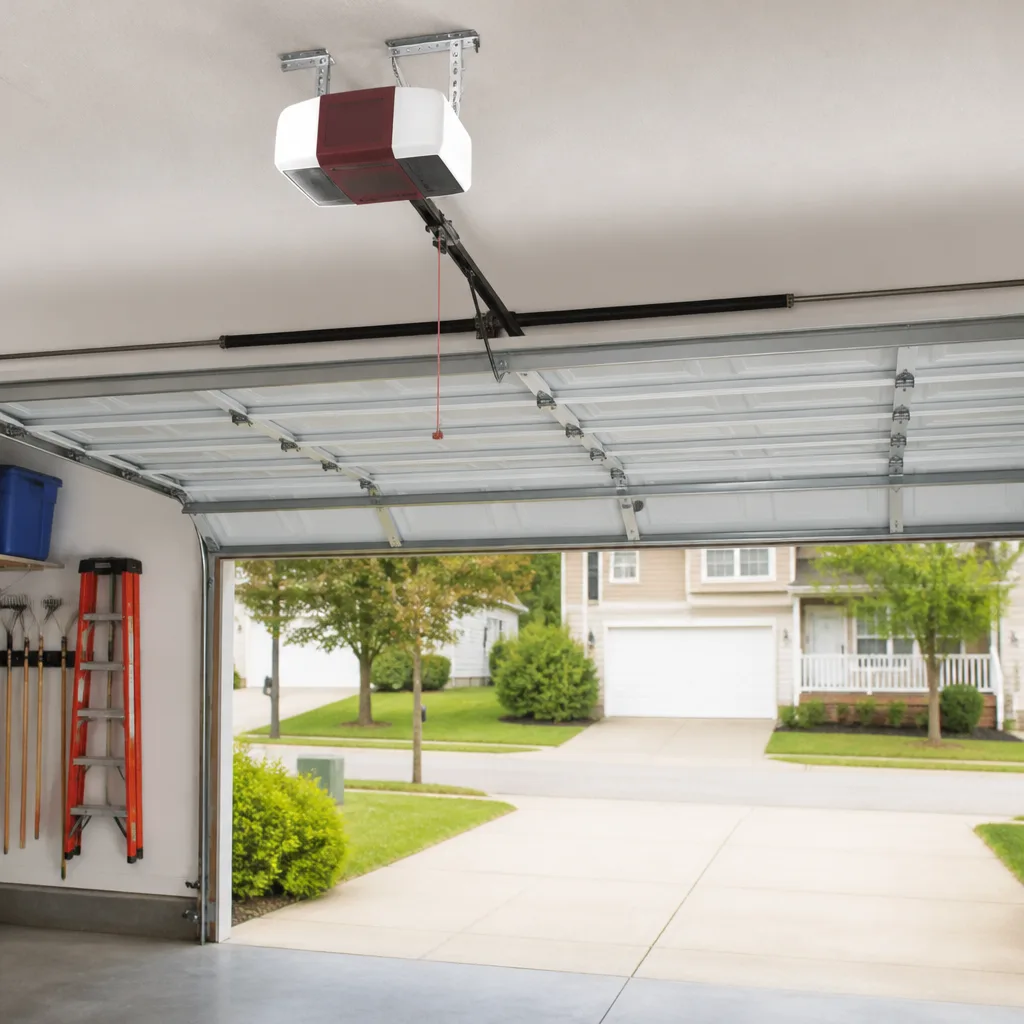 LiftMaster openers
 Chamberlain openers
Full 25-point door and opener safety check with every visit - springs, cables, rollers, tracks, and your LiftMaster or Chamberlain opener included
You get a price before we start. It does not change when the pro arrives.
Get your free estimateHow to Hire a Garage Door Contractor in Deltona: A Step-by-Step Guide
Most homeowners screen a garage door contractor with two questions: “How much?” and “When can you come?” That’s backward. In Deltona, the barrier to entry for this trade is lower than you’d expect, and the range of quality you’ll encounter is correspondingly wide. The price matters, but the credentials behind the price decide whether the job passes a county inspection or fails one. This guide walks through the screening framework we’d use ourselves if we were hiring out our own door: which Florida license types apply, how to check them on the state database in under two minutes, the phone questions that disqualify a contractor before they ever set foot in your driveway, and how to read an estimate line by line so nothing surprises you later.
Quick Answer
To hire a garage door contractor in Deltona, verify three things before you schedule anything: the contractor holds an active Florida license you can confirm on the DBPR website, they carry general liability insurance you can ask to see a certificate for, and they put the scope of work in writing with itemized parts and labor before the job starts. Ask for the license number and company name on the first phone call, confirm both on the state database, and get the full price in a written estimate rather than a verbal range. A legitimate Deltona contractor will answer all of it without hesitation; one who deflects on the license question has told you everything you need to know.
Styles & brands we work with
- Raised-panel steel
- Carriage house
- Modern flush
- Full-view glass
- LiftMaster openers
- Chamberlain openers
Table of Contents
- Why Hiring a Garage Door Contractor in Deltona Is Harder Than It Looks
- Which Florida Licenses Actually Apply to Garage Door Work
- How to Verify a Contractor on the DBPR Website in Under Two Minutes
- The Five Phone Questions That Screen a Contractor Before They Arrive
- How to Read a Garage Door Estimate Line by Line
- Why the Lowest Quote Is Usually the Most Expensive
- Red Flags During Post-Storm Contractor Surges in Volusia County
- What a Good Garage Door Contractor Looks Like
Why Hiring a Garage Door Contractor in Deltona Is Harder Than It Looks
A garage door looks like a single product. It’s actually a system: torsion or extension springs, cables, rollers, hinges, tracks, a bottom seal, and an opener with its own electronics, safety sensors, and force settings. A contractor who understands the whole system diagnoses a problem once. A contractor who understands only part of it guesses, swaps a part that isn’t the cause, and leaves you with the same symptom and a smaller wallet.
Deltona’s housing stock makes this more consequential than it might be elsewhere. Large swaths of the city were built out through the 1980s and 1990s, which means many homes are still running original doors, original openers, or both. A door from that era has predictable failure points: tired springs, worn rollers that have gone flat, opener gears that have been slowly stripping for years. A contractor who has only worked on newer construction may not recognize those failures on sight. One who works in this market sees them regularly.
Layer on Florida’s licensing structure and you get the core difficulty of this market. The state does not require a narrow, single-trade “garage door license.” The trades that touch overhead doors fall under broader categories, and some minor work falls outside specialty licensing entirely. That low barrier is not inherently bad, but it means the quality spectrum in Deltona runs from licensed, insured, garage-door-only operators to a guy with a truck, a ladder, and a cell phone. Telling them apart takes a deliberate screening process, not a gut feeling.
If you already have a clear sense of what’s broken and just want it fixed, our garage door repair page covers symptoms and turnaround. But if you’re still in the “who should I even call” stage, work through the sections below first. The five minutes you spend verifying credentials will save you far more than that if it keeps a bad hire out of your garage.
Which Florida Licenses Actually Apply to Garage Door Work
Florida licenses contractors at the state level through the Department of Business and Professional Regulation (DBPR), and at the county level through local building departments. Garage door installation and repair generally falls under the umbrella of general, building, or residential contracting, or under a specialty category depending on how the work is classified and how much structural work is involved. A simple spring or opener replacement is a repair. A full door replacement on a home where the header, tracks, or framing need alteration can cross into work that requires a licensed contractor and a permit.
Here’s the practical version:
- State-certified or state-registered contractor: The credentials you want to see for anything beyond minor repair. Both can be verified on the DBPR site.
- Registered vs. certified: A state-certified contractor can work statewide. A state-registered contractor is registered locally, usually through the county, and is limited to that area. Either can do good work. Both should be verifiable.
- General liability insurance: Not a license, but just as important. Ask for a certificate of insurance naming the company, and check that the policy is current. If a contractor can’t produce one, you’re the one holding the risk if something goes wrong on your property.
- Permits: For a door replacement, ask whether a permit is required in your part of Volusia County and who pulls it. Most cities require a permit for structural changes; the answer from any contractor you hire should be specific, not vague. If they don’t know, ask the city’s building department directly before you sign anything.
One thing to be clear about: a contractor doesn’t need to have done hundreds of jobs in Deltona specifically to be qualified. But they should know the local inspection climate and be able to tell you plainly what a permit covers on your job. If they brush the question off, that’s a signal. Garage doors are all we do at Ardent, which means the licensing and permit questions come up on nearly every job – we’re used to answering them. If you’re comparing us to other contractors in Deltona, that’s exactly the comparison you should be making.
How to Verify a Contractor on the DBPR Website in Under Two Minutes
The verification process is faster than most homeowners expect. You can confirm a contractor’s license status on the Florida DBPR website in about 90 seconds if you have the right information in hand. Here’s the sequence.
- Ask for the license number and the exact company name on the phone. Not “the company name” – the legal name as it appears on the license. A contractor working under a trade name different from the licensed entity is a red flag worth asking about.
- Open the DBPR license search. Go to the DBPR website and use the “Verify a Licensee” search. You can search by license number or by name. Use both.
- Confirm three things: the license is active (not expired, suspended, or revoked), the license type matches the work you’re hiring for, and the name on the license matches the name on the estimate.
- Check the qualifying agent. In Florida, a business license is tied to a qualifying individual who holds the actual credential. If the qualifying agent doesn’t appear connected to the company you’re talking to, ask why.
- Check for complaints or disciplinary history. The DBPR site shows public disciplinary actions. A single old complaint isn’t necessarily disqualifying. A pattern of them is.
Do this before the estimate, not after. It takes minutes, costs nothing, and it’s the single fastest way to separate a legitimate operator from someone who is not accountable to any state authority. If a contractor hesitates to give you the license number, you’ve already learned what you needed to know. No legitimate contractor should be reluctant to hand over a number that’s publicly searchable.
The Five Phone Questions That Screen a Contractor Before They Arrive
The first phone call is the highest-value five minutes in the whole hiring process. You’re not trying to catch anyone out. You’re trying to hear how they answer. A contractor who knows their trade answers these questions directly and quickly. One who doesn’t will deflect, over-explain, or try to sell you before they’ve seen the door.
- “What’s your license number and the legal name on it?” If they can’t answer this without checking, that’s fine – but they should be able to produce it before you book anything. A refusal or a vague “we’re licensed and insured” is a disqualifier.
- “Can you send me a certificate of insurance before the visit?” Legitimate contractors carry general liability and can produce a certificate. One who says “we’ll sort that out later” is asking you to carry the risk.
- “Do you work on my specific brand?” Garage door systems vary by manufacturer, and openers have their own software and parts. A contractor who services Clopay, Amarr, Wayne Dalton, and Craftsman doors routinely will diagnose faster than one who’s seeing your model for the first time. Ask specifically.
- “Will you put the full price in writing before any work starts?” The answer should be an unqualified yes. If they say “we’ll give you a ballpark on the phone and finalize when we get there,” that’s a bait-and-switch risk. You want a written estimate that sets the price, not a verbal range that gets amended on the day.
- “If it turns out to be a different problem than we thought, how do you handle the price change?” The right answer: they stop, explain what they found, and give you a revised written price before touching anything. The wrong answer: they fix it and tell you the new total afterward.
If a contractor passes all five without hedging, they’ve earned a visit. If any one of them produces evasiveness, thank them and move on. There are enough qualified operators in Deltona that you don’t need to gamble on the one who won’t answer a basic question.
How to Read a Garage Door Estimate Line by Line
A good estimate is a document you can hold a contractor to. A bad estimate is a paragraph that leaves everything open to interpretation. The difference matters most on installation and replacement jobs, where the scope is larger and there’s more room for a surprise.
Here’s what a well-written estimate should itemize:
- The door or component, by brand and model. “A 16×7 steel door” is too vague. You want the manufacturer and model number, so you can confirm what you’re paying for and compare if you’re getting multiple quotes.
- Parts and hardware separately. Springs, cables, rollers, hinges, and tracks should appear as line items, not a lump sum. If a spring is being replaced, ask whether it’s one spring or a matched pair – a pair costs about twice a single spring, and you should know which you’re getting.
- Labor as a separate line. Labor should be its own line, not buried in the parts total.
- Permit cost, if a permit is required. Ask directly whether a permit is needed and who pays for it.
- Disposal. If the old door is being hauled away, that should appear on the estimate.
- Any work not included. A good estimate tells you what it doesn’t cover – repainting, framing changes, electrical work for a new opener outlet. The clarity protects both sides.
Now the other side. Vague line items are a bait-and-switch risk. “Garage door repair – see tech” with a single price tells you nothing. “Hardware and adjustments” that covers everything from springs to tracks hides what’s actually being done. “Standard installation” with no model specified lets the contractor substitute a cheaper door at the same price. If you can’t read an estimate and understand exactly what’s being done and for how much, ask for a revised one. A contractor who resists is telling you something.
On pricing: any number you’re given should be a written estimate, not a phone quote, and it should be agreed before any work starts. If a contractor gives you a range and then says “we’ll see what it comes to on the day,” that’s not an estimate. That’s an invoice with no ceiling. We don’t work that way and you shouldn’t hire anyone who does.
Why the Lowest Quote Is Usually the Most Expensive
The lowest bid is statistically the one most likely to result in a failed inspection, a redo, or a call to a second contractor. Not always – but often enough that the pattern deserves your attention before you sign.
Here’s why. Garage door installation in Volusia County touches permit requirements, structural attachment points, spring calibration, and opener safety settings. A contractor working at a low margin has to cut somewhere. The cuts usually fall in one of five places:
- Cheaper components. Lowest-grade springs, thinner-gauge tracks, lower-cycle hardware. The door looks the same on day one and fails years sooner.
- No permit pulled. Skipping the permit saves money up front. If the work fails an inspection or needs to be redone, you own the problem and the cost.
- Skipped safety steps. Opener force settings, photo-eye alignment, and spring calibration are the parts of the job you can’t see. A shortcut here is a safety risk, not just an inconvenience.
- Change orders on the day. A low bid gets you in the door. Then “we found a problem” adds parts and labor after the fact, often leaving you with a final bill higher than the honest contractor’s quote.
- No insurance. An uninsured contractor can undercut a licensed, insured one because they aren’t paying for the coverage. You’re carrying the difference in risk.
The fix isn’t to always pick the highest bid, either. It’s to compare like with like. Get two or three written estimates with itemized parts and labor, and compare line by line. The right question isn’t “who’s cheapest?” – it’s “who’s quoting the same scope, and what’s the difference between them?” A quote that’s 30% below the rest is telling you something about the scope, not the generosity of the contractor.
Red Flags During Post-Storm Contractor Surges in Volusia County
After a major storm in Volusia County, the number of contractors showing up in the search results climbs within 48 hours. Some are legitimate local operators with more work than usual. Others are out-of-area crews running a short-term circuit through Florida, and some are not really contractors at all. The screening process you’d use in calm weather still works, but a few specific red flags appear in storm surges that don’t show up in national hiring guides.
Watch for these:
- No local address or verifiable business identity. A contractor with no address, no website history, and a phone number that’s only been active for a few weeks is worth asking about. Florida requires licensing and registration; a transient operator often doesn’t have either.
- Cash-only or large up-front deposits. A deposit is normal for a custom-ordered door. A demand for half the job in cash, before any material is ordered, is not.
- Pressure to sign today. Storm surges breed urgency. Legitimate contractors are busy; they don’t need to pressure you. If you feel rushed, that’s the signal to slow down.
- “We were in the neighborhood” solicitations. Door-to-door sales after a storm are not inherently dishonest, but they should be screened exactly like any other contractor – license number, insurance, written estimate.
- Estimates without a license number on them. In Florida, contractors are required to include their license number on advertising and contracts. An estimate without one is a red flag you can check in a minute on the DBPR site.
- Storm-damage upselling. A contractor who says your door has “storm damage” before they’ve opened the garage is guessing. Ask them to point to the specific damaged component.
- No physical written contract. A verbal agreement, a text, or a handshake is not a contract. You want a document with scope, price, and both signatures.
One note specific to this market: Florida’s climate means garage door hardware does wear faster than in cooler parts of the country – heat and humidity work on springs, seals, and opener electronics year-round. That makes regular maintenance genuinely worthwhile, but it also means a contractor who says “your door is about to fail” needs to show you why. Ask them to point to the specific worn part. A real diagnosis takes two minutes; a sales pitch doesn’t require one.
What a Good Garage Door Contractor Looks Like
It’s easy to list red flags. It’s more useful to describe what a good contractor actually does, so you have a baseline to compare against. In our experience working Deltona doors, the contractors worth hiring share a recognizable pattern.
- They ask questions before they quote. What brand is the door? How old is the opener? Has anything been replaced? Is the door sticking, jerking, or making noise? A contractor who quotes before asking is guessing.
- They know the brands in your driveway. At Ardent, we work on eight major brands – LiftMaster, Chamberlain, Genie, Clopay, Amarr, Wayne Dalton, Craftsman, and Raynor – because a Deltona homeowner shouldn’t have to find a different contractor for every brand. If a contractor tells you they “don’t work on that brand,” that’s a scope limitation, not a red flag, but it’s worth knowing before you book.
- They separate repair from installation cleanly. Repair work on an existing door, opener repair, and new installation are three different jobs with different timelines. A contractor who tries to sell you a new door when a spring will fix the problem isn’t diagnosing, they’re selling.
- They explain what they’re doing and why. A good technician walks you through the diagnosis before touching anything. That’s not a courtesy – it’s a professional standard. It’s also how you know whether the fix is real or a guess.
- They provide a written estimate before work starts. Every time. No exceptions. The written estimate sets the price, and the price doesn’t change without your agreement.
- They have a real answer on safety. Torsion springs and cables are under extreme tension. A good contractor will tell you plainly that spring and cable work is not a DIY job, and they’ll explain why without alarming you. That’s not upselling – that’s an expert flagging a genuine danger.
Specialization in one trade only matters here. A handyman who does garage doors alongside fifty other jobs won’t have the same diagnostic speed on a Craftsman opener or a Wayne Dalton door. A specialist who works on these systems every day will. That’s the practical case for hiring a garage-door-only contractor, and it’s the model we work from at Ardent Garage Door Repair.
Common Mistakes to Avoid
- Skipping the license check. It takes two minutes on the DBPR site and it’s the single most protective thing you can do. Homeowners who skip it are the ones most often left with failed inspections and no recourse.
- Comparing quotes without comparing scope. The lowest bid usually reflects a smaller scope, not a better deal. Get itemized estimates and compare line by line, not just totals.
- Taking a phone quote as a price. A number on the phone isn’t a price. It’s an estimate of what the contractor thinks the job might cost before seeing the door. The written estimate sets the final price.
- Letting a contractor start without a written agreement. No license number, no itemized scope, no written price, no signature – those are not small oversights. They’re the things you’d need if anything went wrong.
- Confusing “spring replacement” with “spring pair replacement.” A price quoted for one spring is for one spring. A matched pair is usually replaced together and costs about twice that. Ask which you’re getting.
- Attempting spring or cable work yourself. High-tension springs and cables are the most dangerous part of the system. A trained technician is the only safe option. We strongly recommend against DIY on this component.
- Hiring based on a storm-surge search result alone. After a major storm in Volusia County, search results fill up fast. Screen every contractor the same way, whether they knocked on your door or you found them online.
See the difference
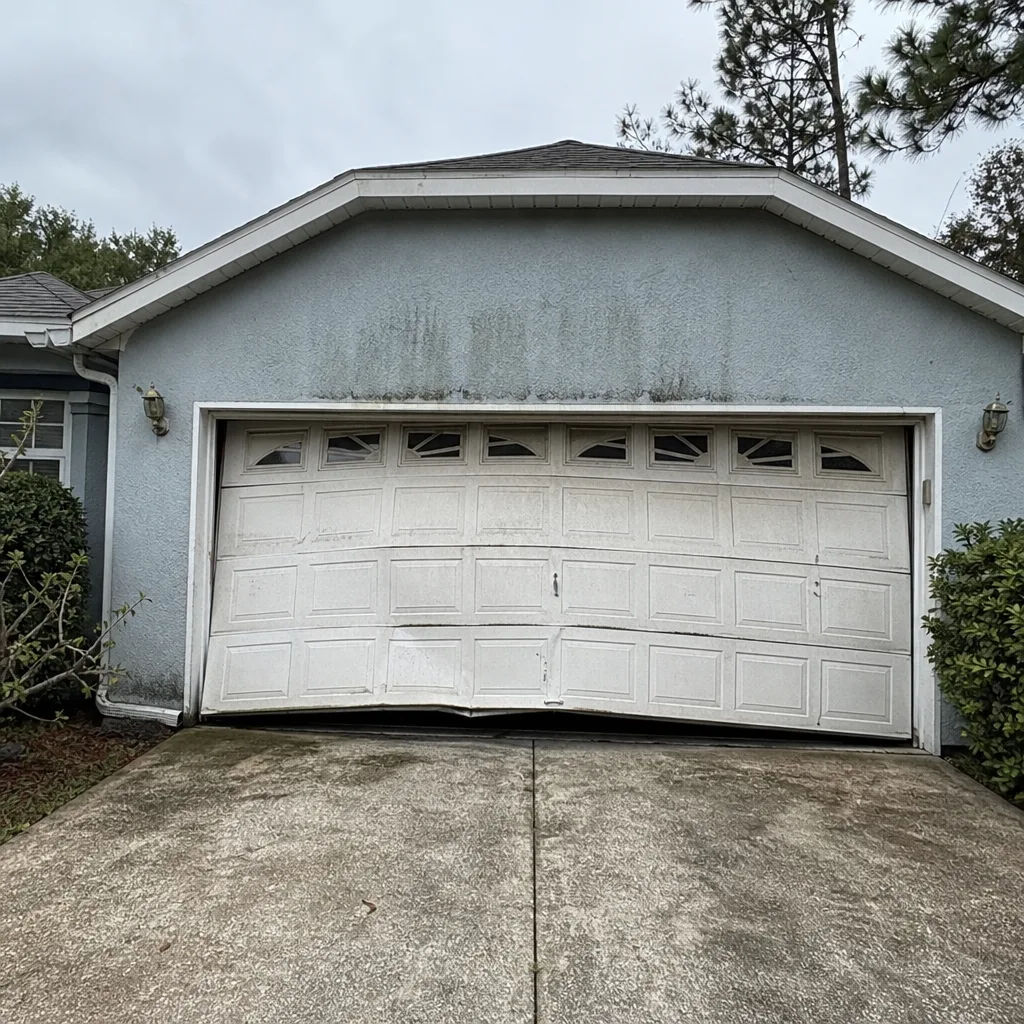 Before
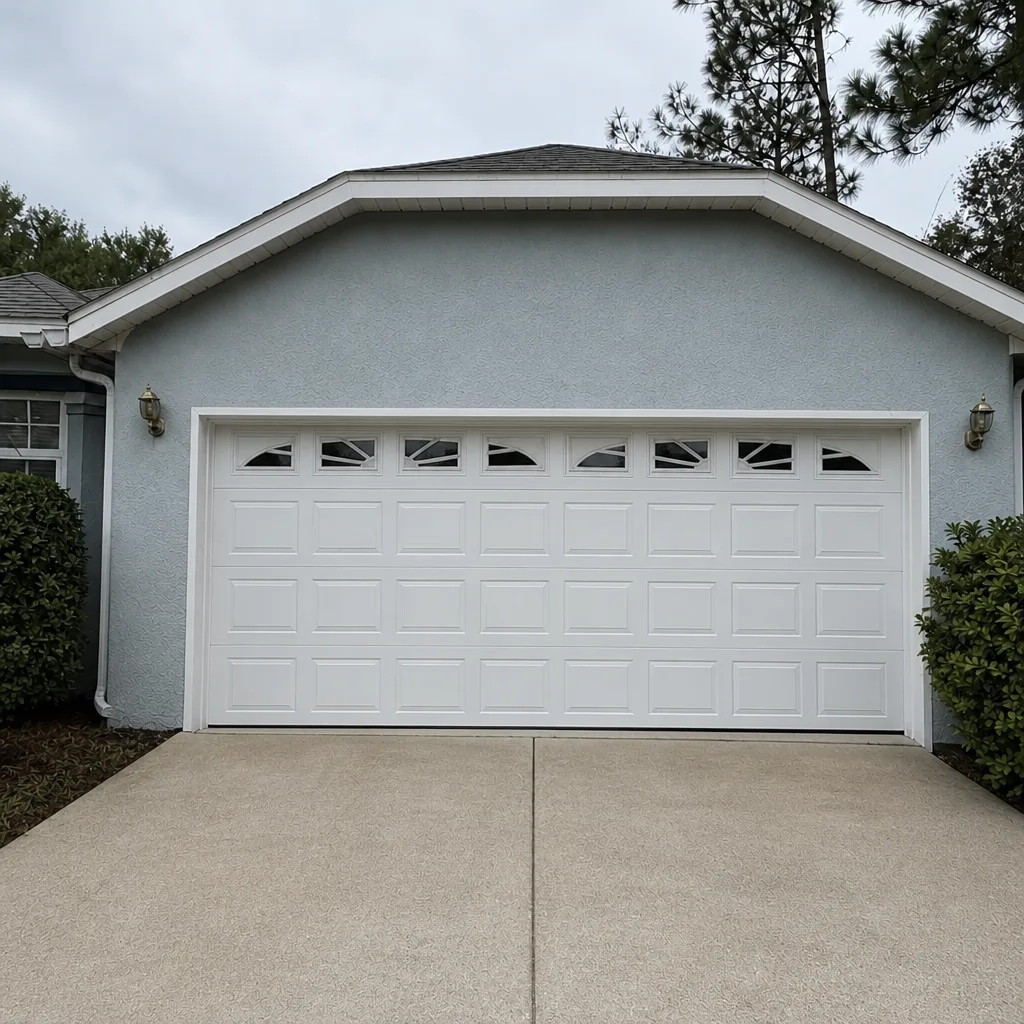 After
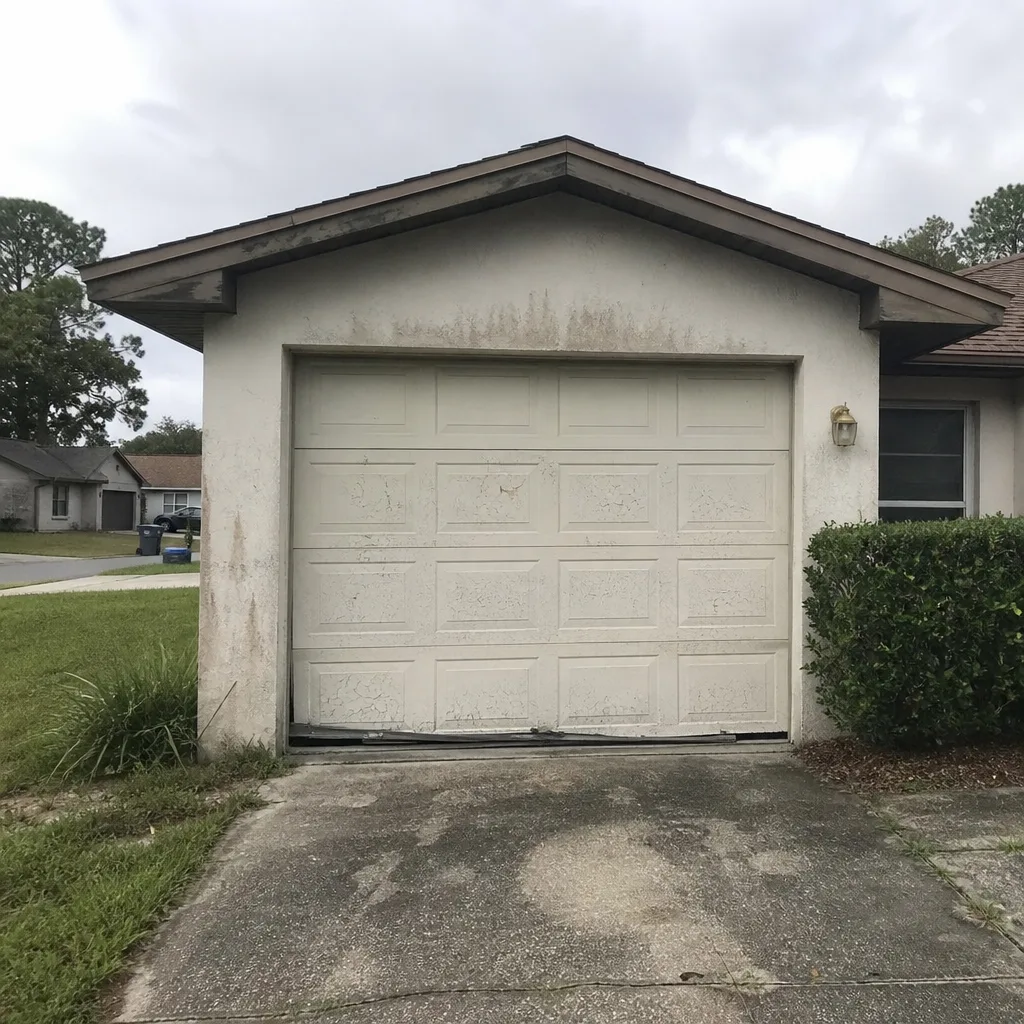 Before
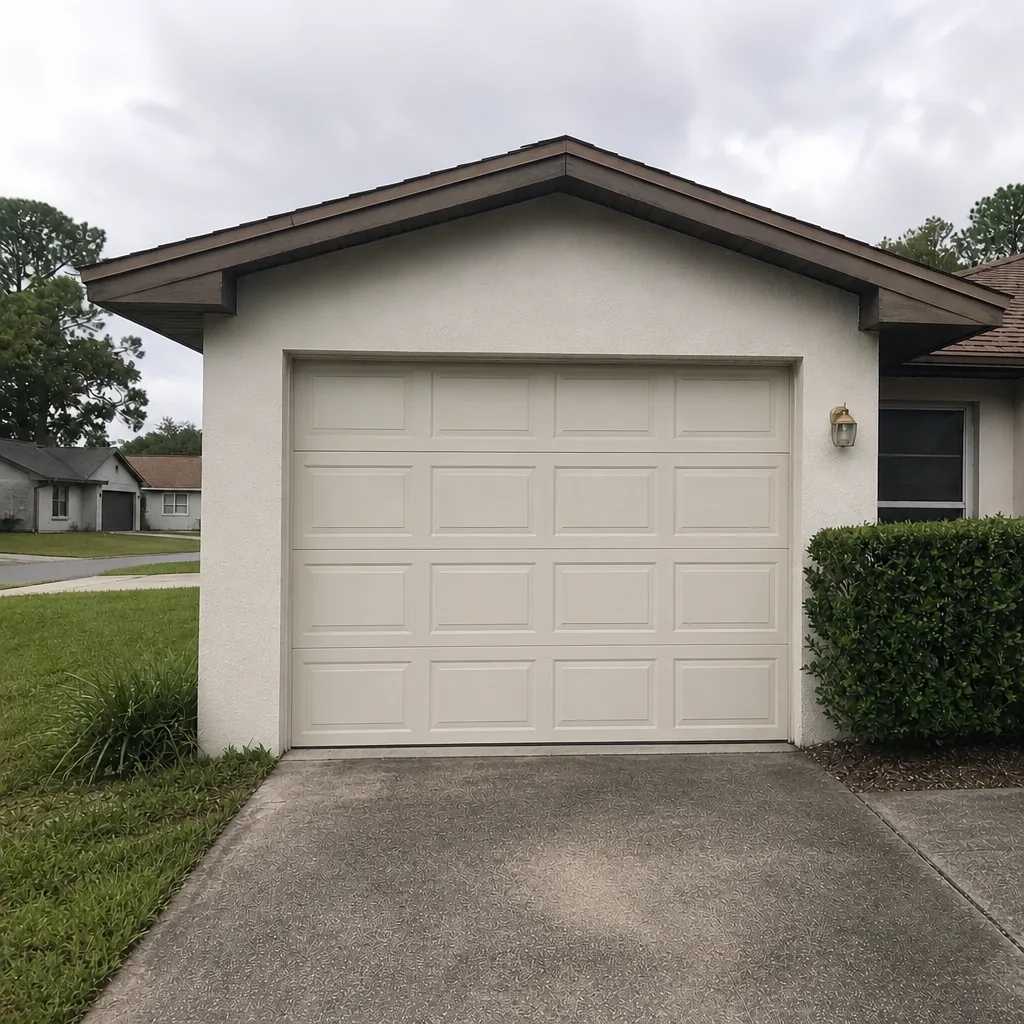 After
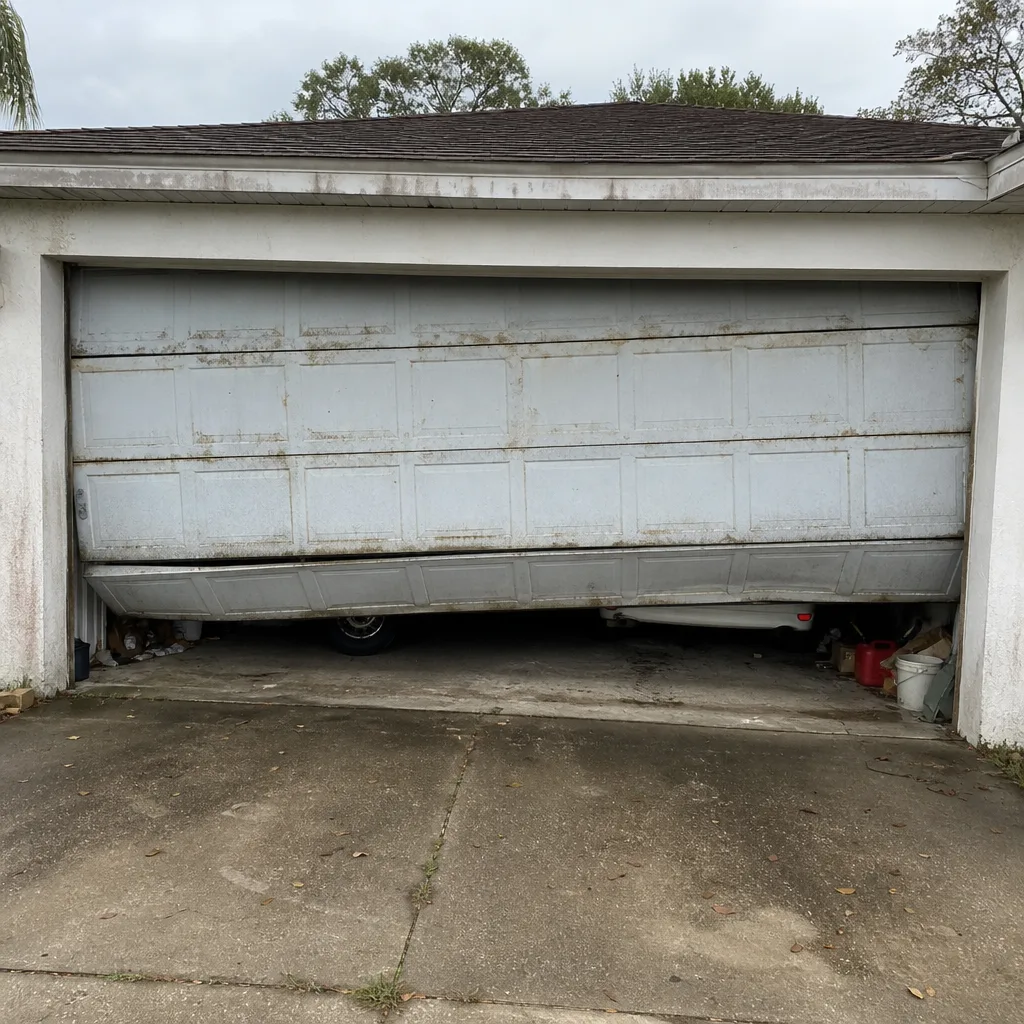 Before
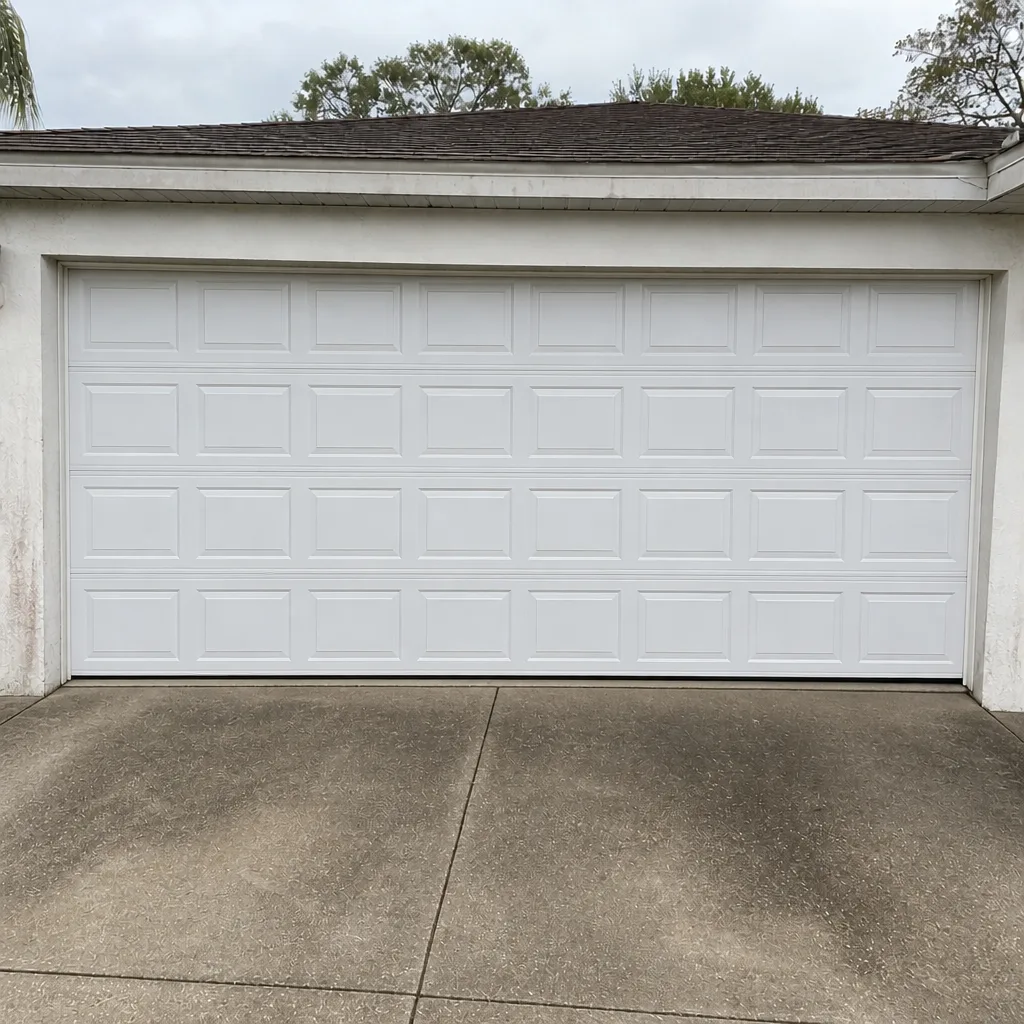 After
When to Call a Professional
A garage door problem usually announces itself before it becomes an emergency. The door jerks on the way up, the opener strains or reverses without warning, one side of the door sits higher than the other, a spring is visibly stretched or broken, or the door won’t close all the way. Those are the moments to call, not the moments to wait on. Mechanical issues tend to compound – a worn roller becomes a jammed door, a strained opener becomes a stripped gear, and a door that’s off-track becomes a door that’s off the rails entirely. The earlier a trained technician gets eyes on it, the simpler and cheaper the repair. There are also jobs that aren’t safe to handle yourself under any circumstances: spring and cable work, opener force setting adjustments, and anything that requires the door to be held under tension. If you’re unsure whether your issue falls into that category, err on the side of calling. Ardent Garage Door Repair offers free estimates in Deltona – call (866) 611-8038. We answer 24/7. Fast dispatch from 7am to 7pm, Sunday through Friday.
Frequently Asked Questions
Yes – garage door installation and most repair work falls under Florida contractor licensing law, and state or registered credentials can be verified on the DBPR website. Ask for the license number and the legal name on the license, then confirm both on dbpr.gov before you book. Minor repairs may fall outside specialty licensing, but the safest rule is to hire someone licensed and insured regardless of the size of the job. Call (866) 611-8038 to compare credentials – estimates are free.
Garage door repair costs in Deltona vary by what’s actually wrong, so a single range doesn’t tell you much. The honest answer is that the price is set per job by the written estimate after a technician sees the door, the opener, and the hardware. Spring replacement, opener repair, and track alignment are three different jobs with three different price structures. What you should insist on is a written estimate with itemized parts and labor before any work starts. Call (866) 611-8038 for a free estimate.
A legitimate contractor can give you a license number you can verify on the DBPR website and a certificate of insurance for general liability. They put the scope and price in writing before work starts, they don’t pressure you to sign on the spot, and they ask questions about your door before quoting a price. If any of those things are missing, that’s your answer. We’ll walk you through all of it on the phone – call (866) 611-8038.
It shouldn’t – if the estimate was written correctly. At Ardent, the written estimate sets the price, and if a technician finds something the estimate didn’t cover, they stop, explain what they found, and give you a revised written price before touching anything. You decide whether to proceed at the new price. A contractor who changes the price after the work is done without your written agreement isn’t giving you an estimate, they’re giving you an invoice. Call (866) 611-8038 to book a free estimate.
Ardent Garage Door Repair works only through licensed and insured independent local professionals, and our technicians have up to 12 years of experience. We can provide credential information on request before you book. Garage doors are all we do, which means every technician on a job is working on this trade exclusively – not splitting time across HVAC, plumbing, or handyman work. Call (866) 611-8038 with any credential questions.
Ask for their license number and the legal name on it, request a certificate of insurance, confirm they work on your specific brand, and ask whether they’ll put the full price in writing before any work starts. Then ask how they handle it if they find a different problem than expected. The answers should come quickly and without hedging. Call (866) 611-8038 and ask us the same questions – we’d rather you compare than guess.
The Bottom Line
Hiring a garage door contractor in Deltona comes down to five things: verify the license on the DBPR site, confirm the insurance, ask the five phone questions before you book, demand a written itemized estimate, and treat the lowest bid with suspicion. The market has enough legitimate operators that you don’t need to gamble on one who won’t answer a basic question about their credentials. The screening process is fast, costs nothing, and it’s the single most protective step you can take before a stranger works on a system that’s under constant tension. If you want to talk through your door, your opener, or the estimate you’ve already got in hand, we’re here. Whether it’s garage door opener repair or a full door replacement, the process starts the same way: a free estimate and a written price before any work begins.
Ready to get a real answer on your door? Call Ardent Garage Door Repair at (866) 611-8038 for a free estimate. We answer 24/7. Fast dispatch from 7am to 7pm, Sunday through Friday. We work on your brand – Clopay, Amarr, Wayne Dalton, Craftsman, and more – because garage doors are all we do, from opener to panel. If something’s broken it’s worth fixing right; if something’s failing it’s worth catching early. We’d rather help you hire the right contractor than pressure you into picking us. That’s the whole point of a free estimate.
Written by the team at Ardent Garage Door Repair.