
Last updated November 15, 2026
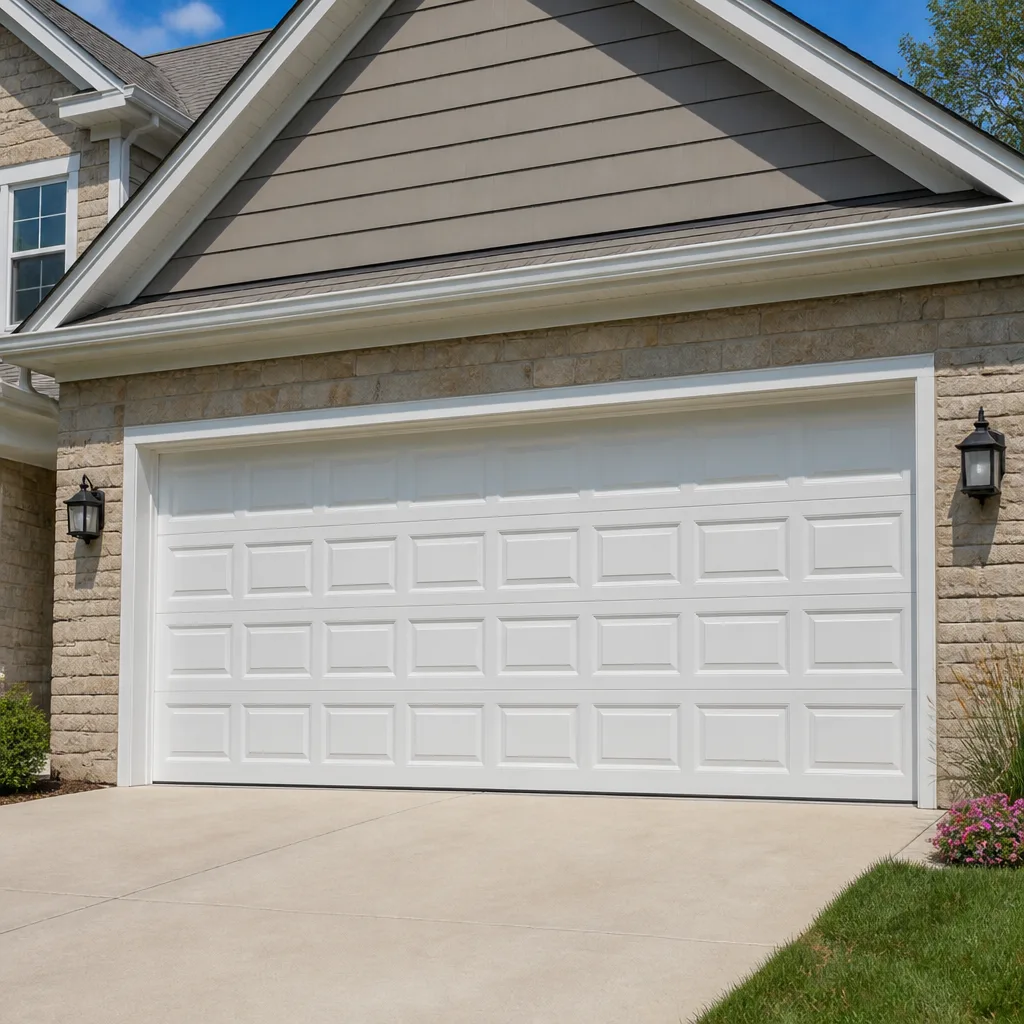 Raised-panel steel
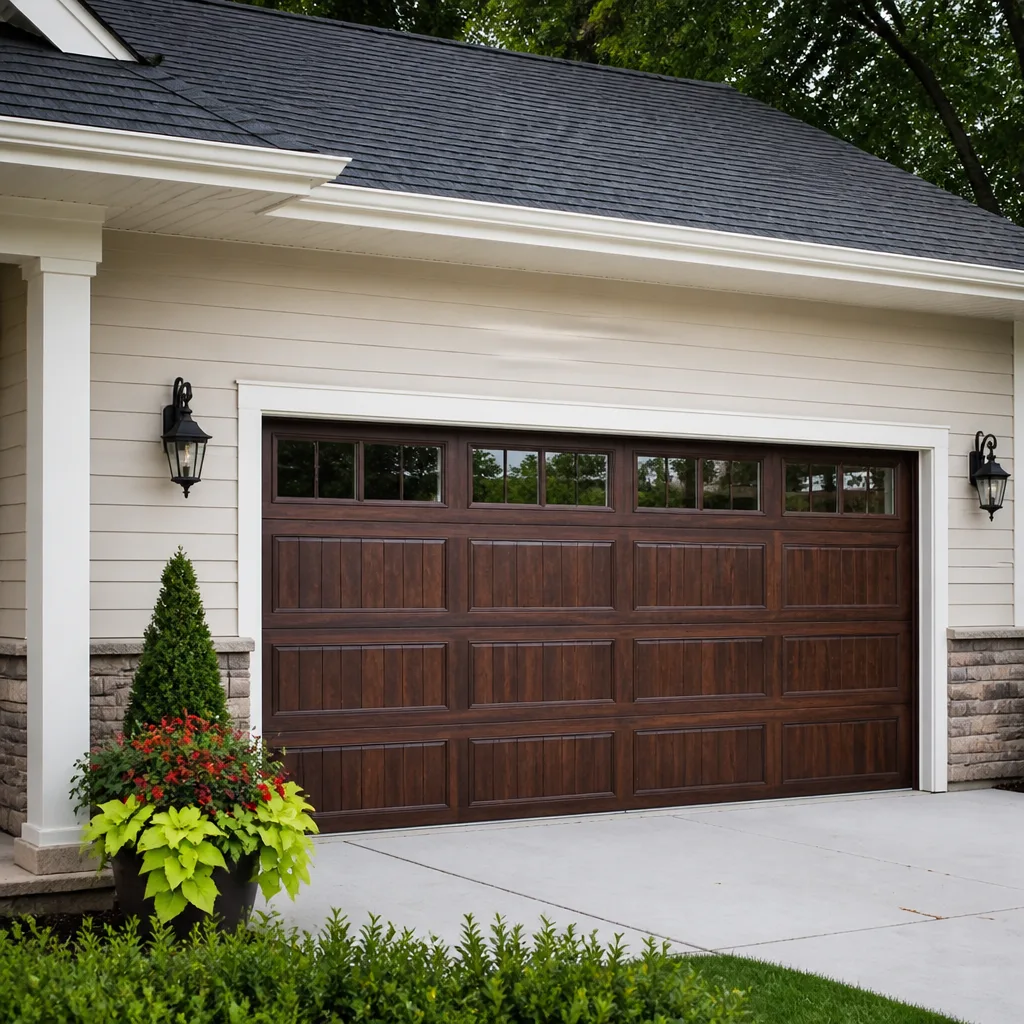
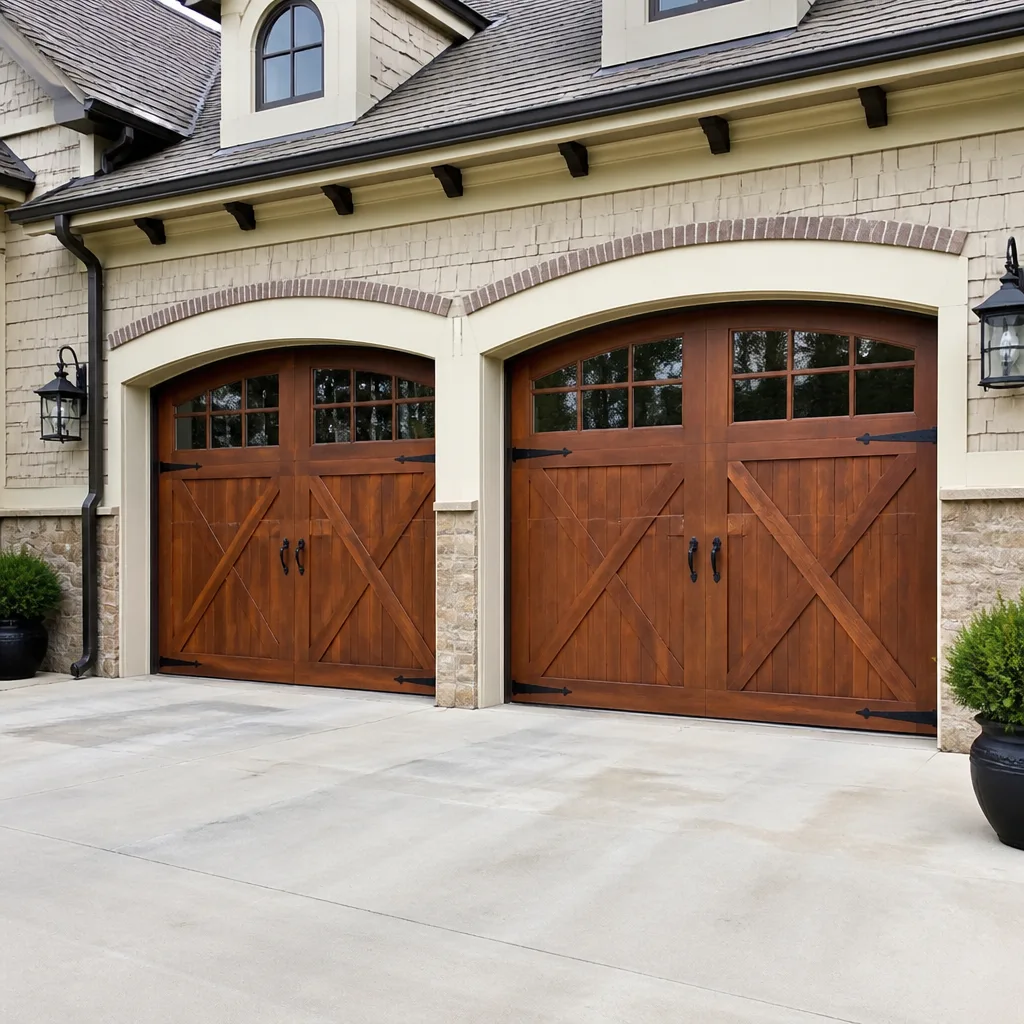 Carriage house
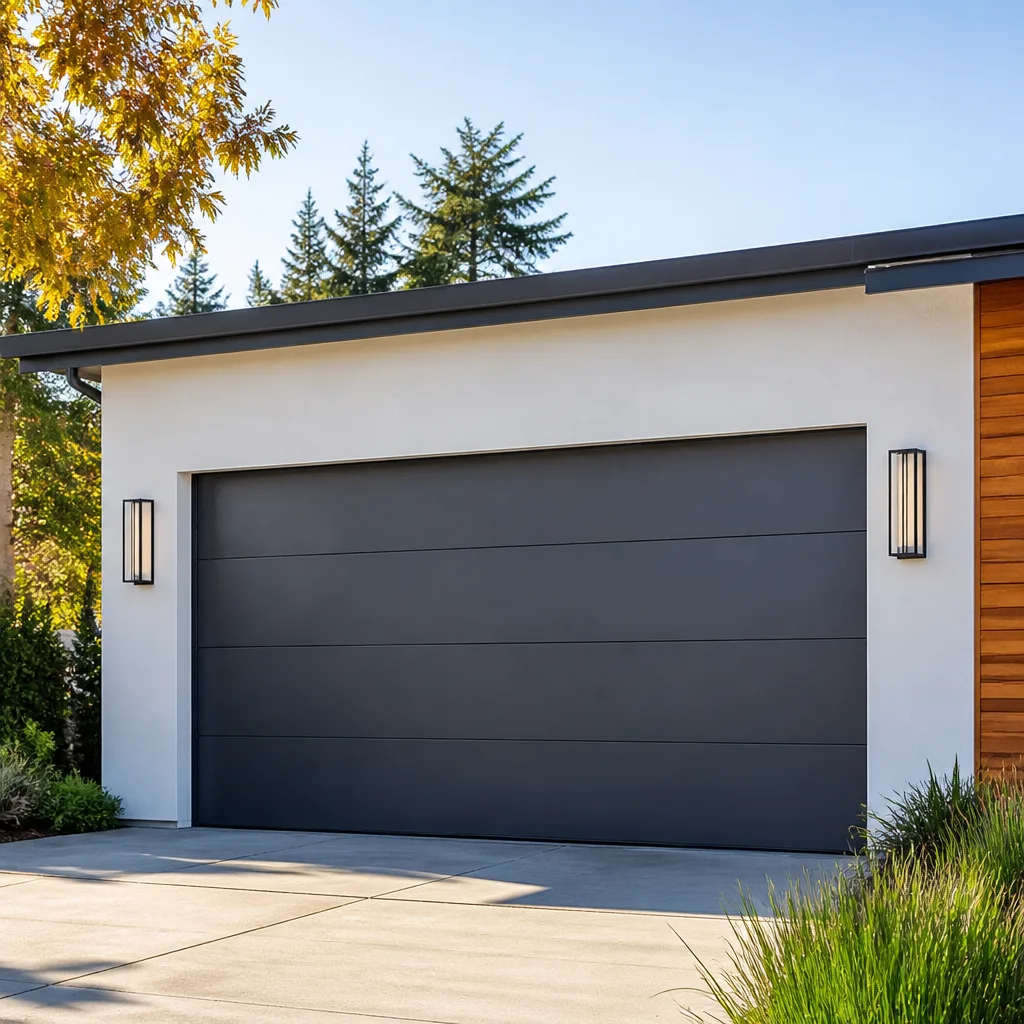 Modern flush
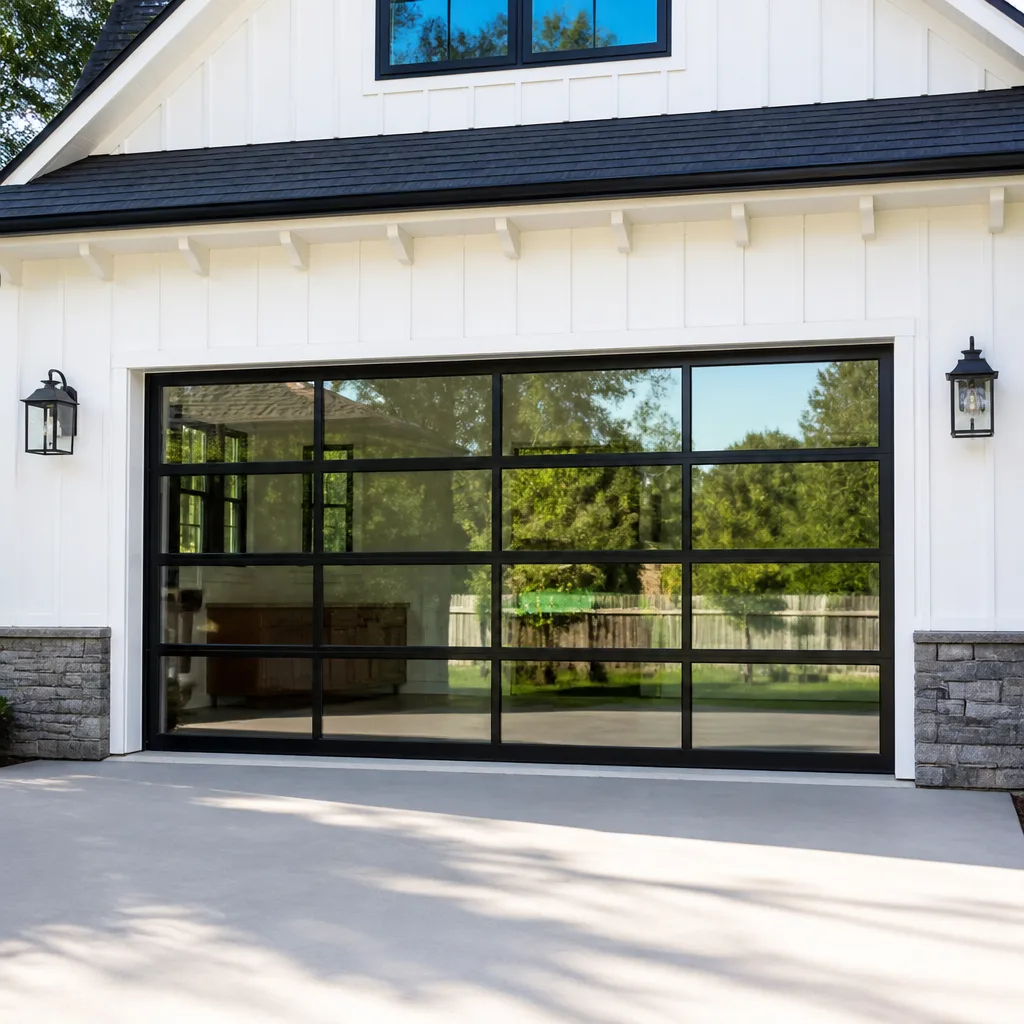 Full-view glass
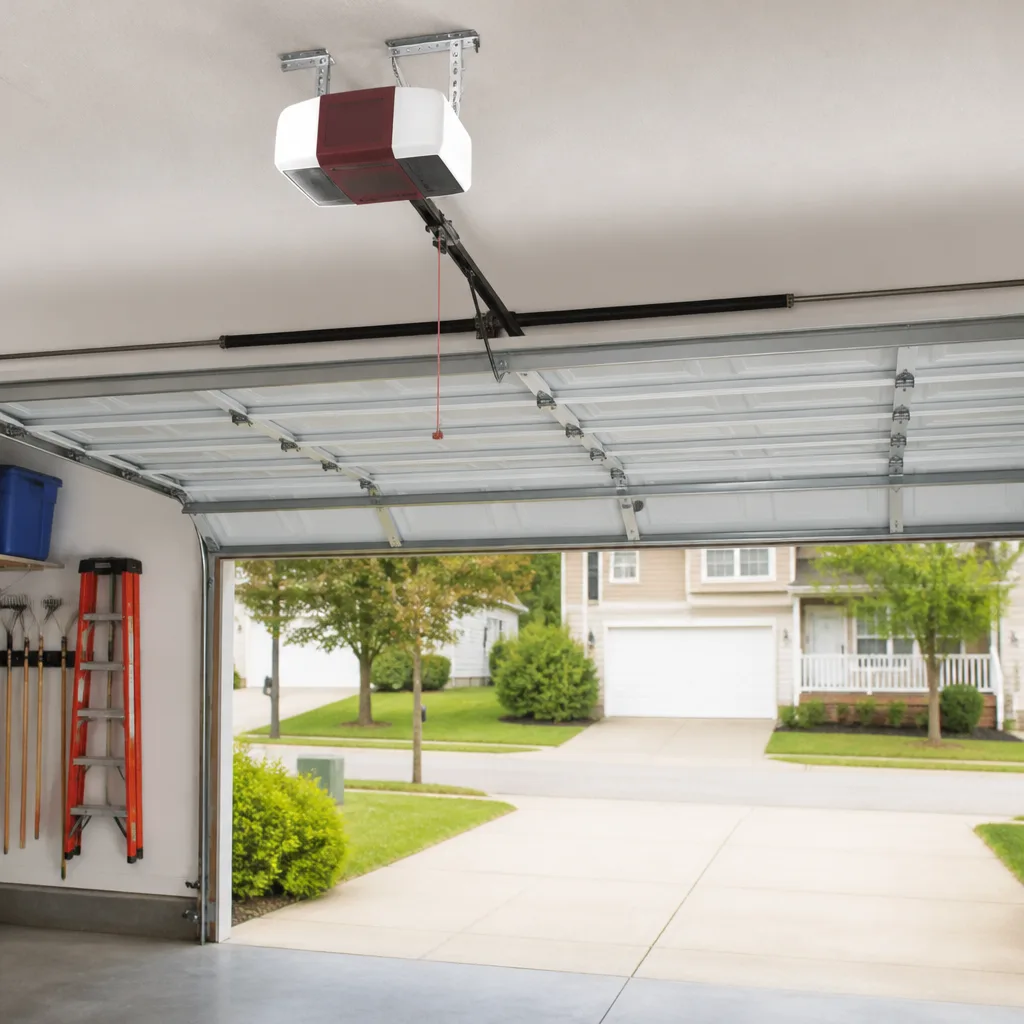 LiftMaster openers
 Chamberlain openers
Full 25-point door and opener safety check with every visit - springs, cables, rollers, tracks, and your LiftMaster or Chamberlain opener included
You get a price before we start. It does not change when the pro arrives.
Get your free estimateGarage Door Repair Maintenance Schedule: What to Do and When
Lubricating your garage door tracks is one of the most repeated pieces of advice online, and one of the most wrong. Tracks shouldn’t be lubricated. Rollers should. That single mix-up causes more dirt buildup, gummed-up rollers and binding than almost anything else we see on doors around Deltona. The second most common mistake is the opposite problem: homeowners grease and spray everything twice a year, then ignore the two sixty-second tests that predict most failures before they strand a car in the driveway. This guide replaces the generic checklist with a schedule built around what actually degrades on a predictable timeline here, so you stop over-maintaining parts that are fine and start catching the ones that quietly fail.
Quick Answer
A garage door needs a light monthly check (visual, thirty seconds), a lubrication pass every three to four months, a balance and force test twice a year, and a full hardware inspection once a year before storm season. Springs, rollers, cables and weather seals wear on fixed timelines regardless of use, so the calendar matters more than how often the door goes up and down. In Deltona’s humid climate, the two areas that need the most attention are the rollers and the bottom weather seal.
Styles & brands we work with
- Raised-panel steel
- Carriage house
- Modern flush
- Full-view glass
- LiftMaster openers
- Chamberlain openers
Table of Contents
- Why a Fixed Schedule Beats “When It Sounds Bad”
- The Month-by-Month Calendar for Central Florida
- The Balance Test and the Force Test: Two 60-Second Checks
- What to Use and What to Avoid on Each Part
- Component Lifespan: When to Maintain vs. When to Budget
- Which Tasks Protect Your Manufacturer Warranty
- Weather Seals and Storm-Season Hardware
- What You Should Never Adjust Yourself
Why a Fixed Schedule Beats “When It Sounds Bad”
Garage doors rarely fail with a warning. They fail because a part wore out on a timeline nobody was watching. A torsion spring doesn’t “go bad” overnight; it loses tension over thousands of cycles and finally snaps, usually when the door is halfway up and you’re already late. Rollers develop flat spots quietly. Cables fray one wire at a time on the underside where you can’t see them. By the time a door sounds bad, you’re already past the cheap fix.
A schedule works because different parts degrade at wildly different rates. Here’s the honest split:
- Fast wearers (months): rollers, hinges at the pivot points, the bottom weather seal, and the lubricant film on the torsion spring.
- Medium wearers (years): cables, the opener’s drive gear or belt, and the safety-reverse sensors.
- Slow wearers (a decade or more): torsion springs (rated in cycles, not years), the door panels themselves, and the track, as long as nothing hits it.
The practical upshot: most of the “maintenance” advice you see online spends your time on parts that don’t need it and skips the monthly look at the parts that do. Deltona’s warm, humid air adds one wrinkle: metal parts that stay damp grow surface rust faster than they would in a dry climate, and rubber seals break down sooner. That doesn’t mean more work overall. It means the work lands on specific components, which is what the calendar below is built around.
One more thing worth saying up front. Garage doors are heavy, spring-loaded systems. The parts that hold all that weight under tension are genuinely dangerous, and we’ll flag exactly which ones you should never touch yourself. Everything else here is safe to check, clean or lubricate with basic tools.
The Month-by-Month Calendar for Central Florida
This is the schedule we’d hand a Deltona homeowner if they asked what to actually do each month. It’s built around two seasonal anchors: the rainy summer stretch (roughly June through September) and the drier, cooler months after it. Humidity is the enemy here, not cold.
- January – Annual full inspection. Walk the whole door: check every hinge for looseness, look at the cables for fraying, test the balance and force (see the section below), and inspect the bottom seal. This is the once-a-year deep look before the year gets busy.
- February – Lubrication pass. Rollers, hinges, the torsion spring (a light coat only), and the opener’s chain or screw if it uses one. Not the tracks.
- March – Pre-storm-season hardware check. Tighten hinge and bracket bolts, check that the track is plumb and clear, and confirm the door closes flush. Central Florida’s storm season starts around June, so this is the last calm window to fix loose hardware before wind and rain arrive.
- April – Weather seal inspection. Run a hand along the bottom seal and the side jambs. Look for cracks, brittleness or gaps. Replace before the rainy months, not after.
- May – Opener check. Test the safety-reverse sensors (the two eyes near the floor), listen for changes in the opener’s sound, and clear any debris from the opener’s rail. This is also a good month to check the manual release works smoothly.
- June through September – Monthly quick checks only. Thirty seconds: door opens and closes quietly, no new noises, sensors clean, nothing blocking the track. Humidity is high, so wipe down any visible rust on hinges with a dry cloth and a touch of lubricant. Don’t add more grease; more is not better in humid air.
- October – Post-summer humidity check. After the wet months, look for rust bloom on hinges and roller stems, check that seals haven’t swollen or cracked, and re-test the balance. This is where Florida doors show their wear.
- November – Second lubrication pass. Same routine as February.
- December – Second balance and force test. The twice-yearly test, and a good moment to look at the springs for any visible gap or stretch.
That’s the whole year. It’s not heavy, but it’s specific, and the specifics are what keep a door out of the “emergency repair” column. If you’d rather not track it yourself, a yearly professional inspection folds most of these into one visit, which is what our garage door repair service covers.
The Balance Test and the Force Test: Two 60-Second Checks
These two tests are the highest-value maintenance you can do, and almost nobody does them. Between them, in our experience, they catch the large majority of developing failures before the door strands a car. Both take about a minute and neither requires tools.
The Balance Test
This measures whether the springs are still doing their share of the lifting. If the springs have weakened, the opener is working harder than it should, and that’s what kills openers early.
- Close the door fully and pull the manual release cord to disconnect it from the opener. The door should now move by hand.
- Lift the door to about waist high, then let go.
- A balanced door stays roughly where you left it. A door that sinks to the floor has weak springs. A door that rises on its own has springs that are too tight.
- Reconnect the opener by running it until the carriage re-engages (usually one full open-close cycle).
If it fails, don’t try to adjust the springs yourself. That’s a torsion-spring job and it belongs to a trained technician. Reconnect the door and get it looked at.
The Force Resistance Test
This checks whether the opener’s safety reverse is working, which is a safety matter, not just a convenience one. With the door connected to the opener, place a sturdy object (a roll of paper towels works) on the floor in the door’s path and close the door. The door should stop and reverse when it contacts the object. If it keeps pushing, stop using the opener and have the safety system checked. That’s a door that could hurt someone.
What to Use and What to Avoid on Each Part
The wrong product does real damage. Here’s the straight answer for each component, tuned for Deltona’s humid air, where sticky products collect grit fast.
- Torsion springs: a light film of garage-door-specific lubricant. Spray it on, then wipe off the excess. Do not use heavy grease, and do not use WD-40 as a lubricant; it’s a solvent, not a long-term protectant, and it strips whatever protection was there.
- Rollers: a few drops of garage-door lubricant on the roller stems, not the wheels. Nylon rollers need very little. Steel rollers need slightly more in humidity. Never soak them.
- Hinges: a drop of lubricant at each pivot point. Wipe off the excess so dust doesn’t stick.
- Tracks: nothing. This is the big one. Tracks are meant to be clean and dry. Wipe them with a dry cloth or a slightly damp one. Lubricating tracks attracts grit, and grit plus grease equals a binding door and worn rollers. This single correction fixes more noise complaints than any product we could recommend.
- Weather seals (bottom and sides): no lubricant. Clean with mild soap and water. In Florida humidity, check them for cracking every season; rubber that looks fine in January can crack by August.
- Opener chain or screw: the manufacturer’s specified lubricant only, and sparingly. Check your opener’s manual; a Genie, a LiftMaster or a Chamberlain may each want something slightly different.
One product note worth repeating: garage-door lubricant, not general-purpose grease and not a silicone spray meant for other uses. Lithium grease is fine on some hinges but turns into a dust magnet on rollers in humid air. The simplest rule is a purpose-made garage-door lubricant used lightly.
Component Lifespan: When to Maintain vs. When to Budget
Part of a good schedule is knowing which parts you’re maintaining and which parts you’re just delaying. Here are the benchmarks we work from, framed as ranges because it depends on how often the door cycles and what the door weighs.
- Torsion springs: rated in cycles, not years. A typical spring is designed for tens of thousands of cycles, and a household door going up and down a handful of times a day will exhaust that over roughly a decade. Heavier doors and hotter climates shorten it. When one spring breaks, replace the pair; a matched set lasts longer than a mismatched one.
- Extension springs (some older Deltona doors): similar cycle limits, and worth inspecting for stretch or gap each year.
- Rollers: nylon rollers typically last several years; steel rollers can outlast them but wear the track faster if they seize. If a roller won’t spin freely by hand, it’s done.
- Cables: several years, but they should be inspected yearly. A frayed cable is a replace-now item, not a “monitor it” item. Cables are under extreme tension and are a professional job.
- Hinges: the ones at the most-used pivot points wear first; expect to replace a few individual hinges before the whole set.
- Weather seals: one to a few years in Florida humidity. Replace when they’re cracked or no longer touch the floor.
- Opener: a well-maintained opener can run for a long time, but it’s usually the first component to fail if the door has been out of balance. That’s why the balance test matters; it protects the opener by keeping it from doing work the springs should do.
The practical takeaway: springs and cables are budget-for-replacement items, not maintain-forever items. Rollers, seals and hinges are maintain-and-replace-on-schedule items. Knowing which is which stops you from pouring effort into a part you can’t save. If your opener is the part that’s struggling, our garage door opener repair is a separate service from door repair for exactly this reason; the two systems fail for different reasons.
Which Tasks Protect Your Manufacturer Warranty
Warranties on doors and openers (including brands like Clopay, Amarr, Wayne Dalton and Genie) often hinge on basic upkeep being done. We won’t quote you specific warranty terms because they vary by product and manufacturer; the smart move is to read the paperwork that came with your door and opener. But the general pattern is consistent:
- Tasks that protect coverage: keeping the door balanced, lubricating moving parts on schedule, keeping the track clean and clear, replacing worn rollers and seals, and testing the safety reverse. These are the documented upkeep items most warranties expect.
- Tasks that can protect you from a denied claim: keeping a simple maintenance log. A dated note that you lubricated and tested in spring and fall is documentation, and it’s free to keep.
- Tasks that risk voiding coverage: adjusting or replacing springs yourself, modifying the opener, using non-approved parts, or ignoring a known problem until it causes secondary damage. If a seized roller grinds a groove into the track, the track damage is on you, not the manufacturer.
If in doubt about what your warranty requires, a professional inspection is a reasonable way to make sure the upkeep is done to standard. We’d rather a homeowner ask than guess and lose coverage on a door they just bought. A free estimate from a garage-door-only specialist is a low-cost way to get that answer.
Weather Seals and Storm-Season Hardware
In Deltona, the weather story is rain and humidity, not snow. That changes what weather-related maintenance looks like. The bottom seal and side jamb seals are the first line of defense against water getting into the garage; a cracked seal lets water in, and standing water against the bottom panel is where rust starts. A yearly seal check before the wet season is the single best storm-prep step for most doors.
The second is hardware. Before storm season, walk the door and tighten every hinge and bracket bolt you can reach. Loose hardware rattles and wears the holes it’s in. Check that the track is straight and plumb; a bent track causes the door to bind and can be a wind-catching weak point. And confirm the door closes fully flush with the frame, so there’s no gap for wind-driven rain.
This is also a good time to look at the opener’s mounting. The bracket holding the opener to the ceiling and the header should be tight. If the door has been vibrating loudly, the opener mount is often where it shows. None of this requires special tools; a socket set and a few minutes are enough.
What You Should Never Adjust Yourself
We’re all for homeowners doing the safe maintenance themselves. But four things on a garage door are genuinely dangerous and should be left to a trained technician:
- Torsion springs (and extension springs). These store enormous energy under tension. Adjusting or replacing them without the right winding bars and training can cause severe injury. This is the top item on the “call a pro” list.
- Cables. Cables are under extreme tension and can snap and cause serious harm. If a cable looks frayed, don’t touch it; call.
- Spring-related adjustments on the opener’s force settings. If the force test fails, the fix is often a balance problem, not a setting change. Messing with the force limit to “make it close anyway” is how people end up with a door that doesn’t reverse.
- Anything involving the track being pulled off the wall. Re-securing a track that’s come loose is a job for someone who knows how it’s anchored. A falling track is heavy.
For everything else (lubrication, seals, the balance and force tests, cleaning), you’re safe to do it yourself. When in doubt, ask. We’d rather answer a question than see a homeowner get hurt.
Common Mistakes to Avoid
- Lubricating the tracks. The most common error we see. Grease on a track collects grit and wears your rollers down. Keep tracks clean and dry.
- Using WD-40 as a lubricant everywhere. It’s a solvent, and it strips protection rather than providing it. Use a garage-door-specific lubricant on the parts that need it.
- Skipping the balance test. If the door has to be forced by the opener, the opener dies early. Sixty seconds twice a year protects a much more expensive part.
- Replacing one spring when the pair is worn. Springs are usually installed as a matched pair; replacing one leaves the other about to fail. Have both assessed together.
- Ignoring the bottom seal in Florida humidity. Rubber cracks faster here than in dry climates. A seal that fails lets water pool against the bottom panel and start rust.
- Adjusting the opener’s force limit to hide a balance problem. This masks the symptom and disables the safety reverse. Fix the balance, not the setting.
- Never checking hardware before storm season. Loose hinges and brackets are cheap to tighten and expensive to fix after they’ve worn out their holes.
See the difference
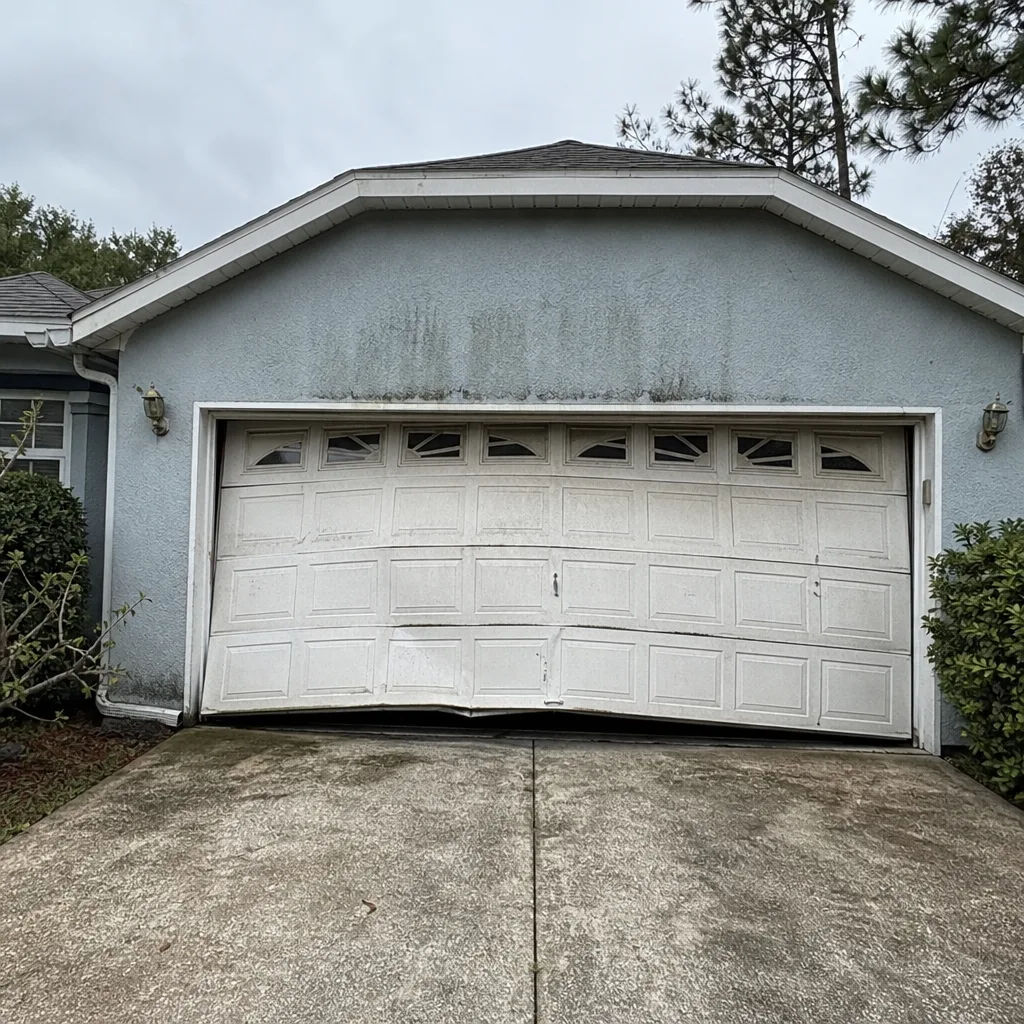 Before
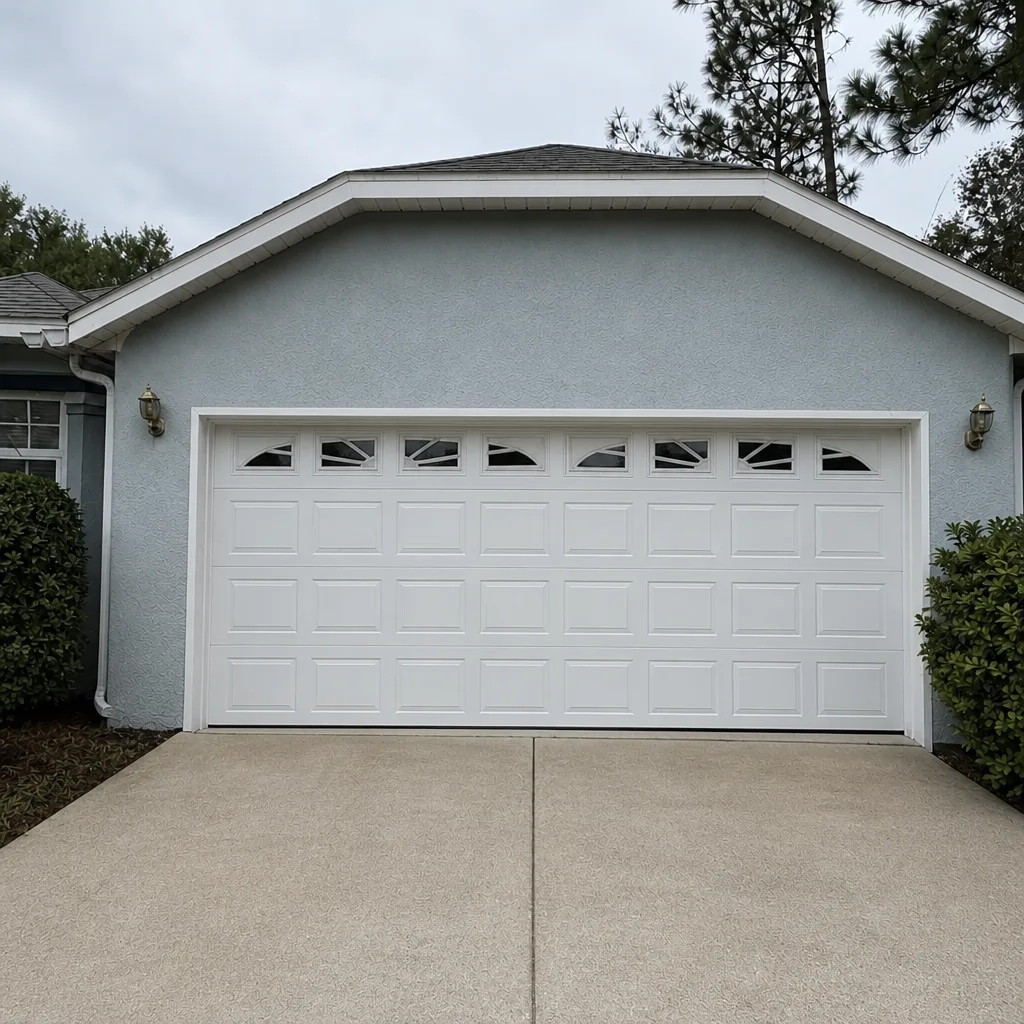 After
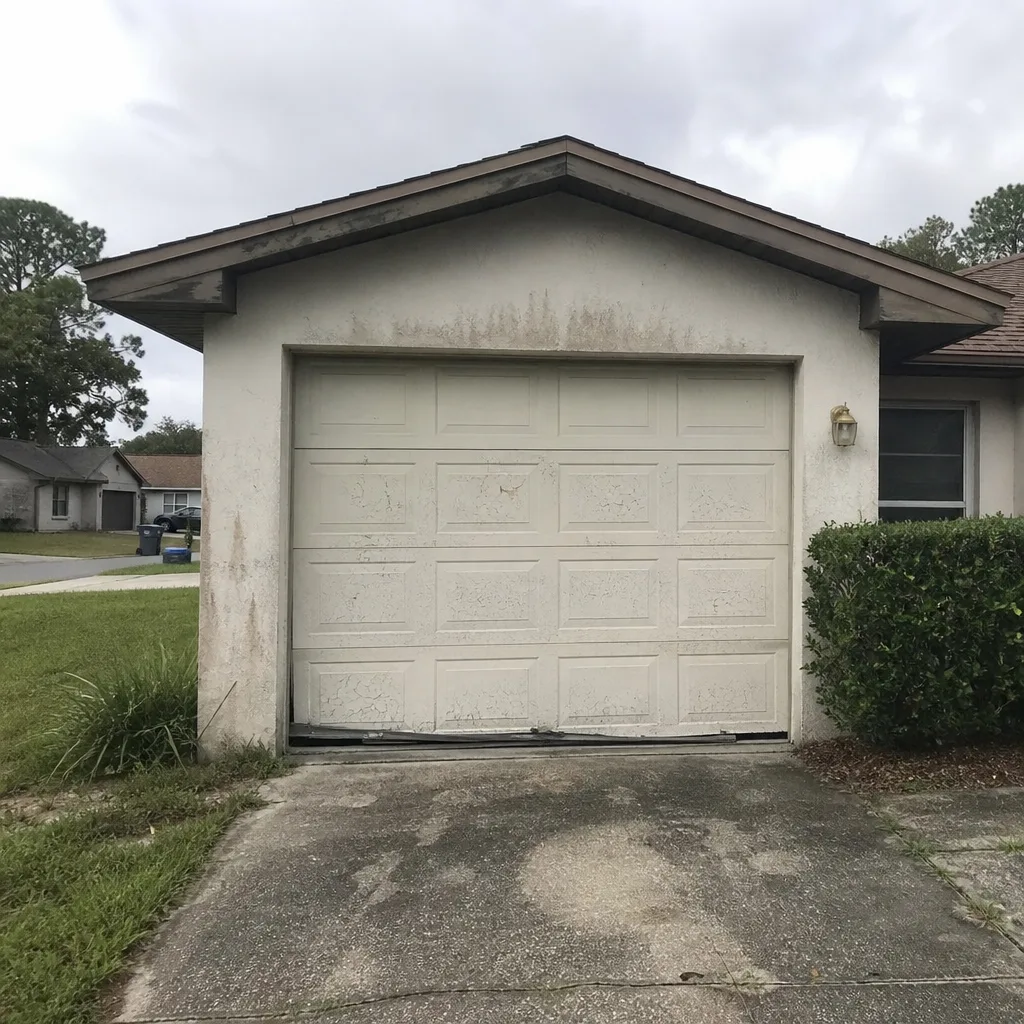 Before
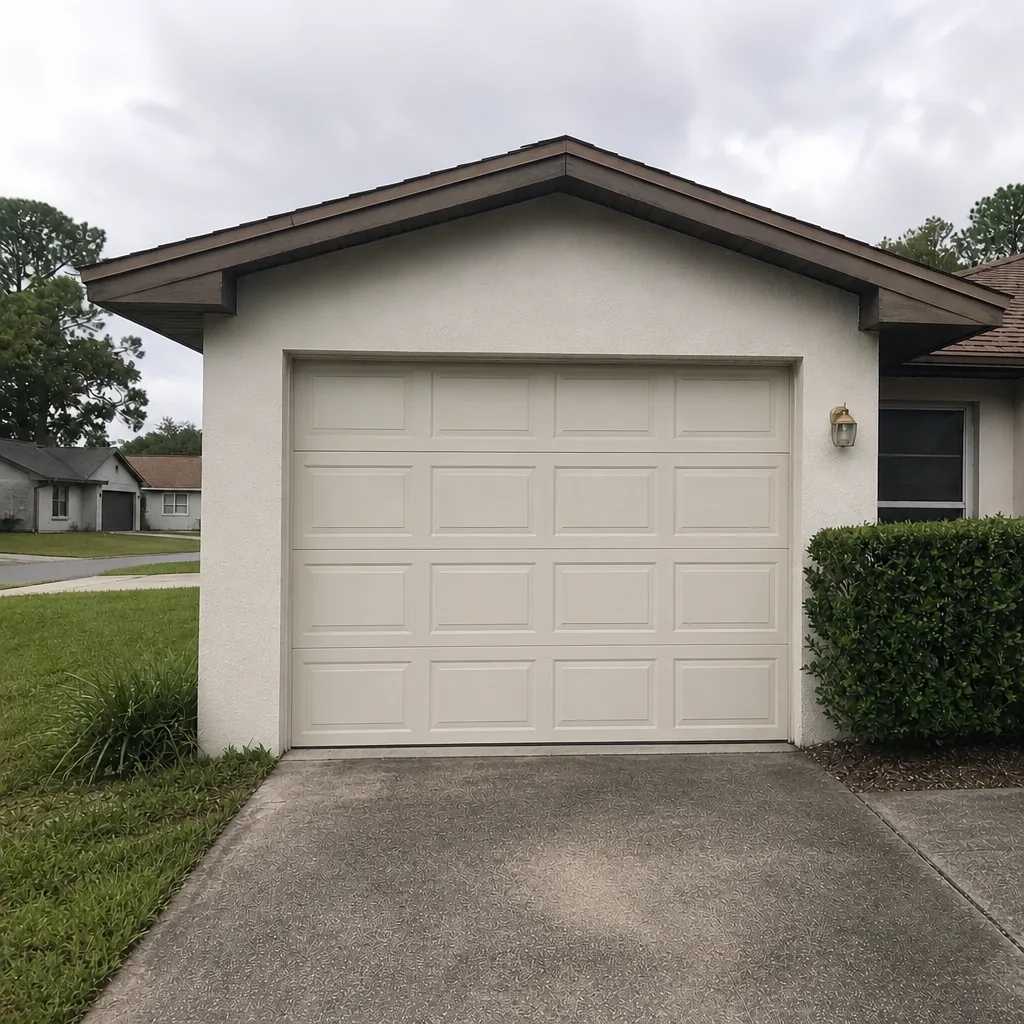 After
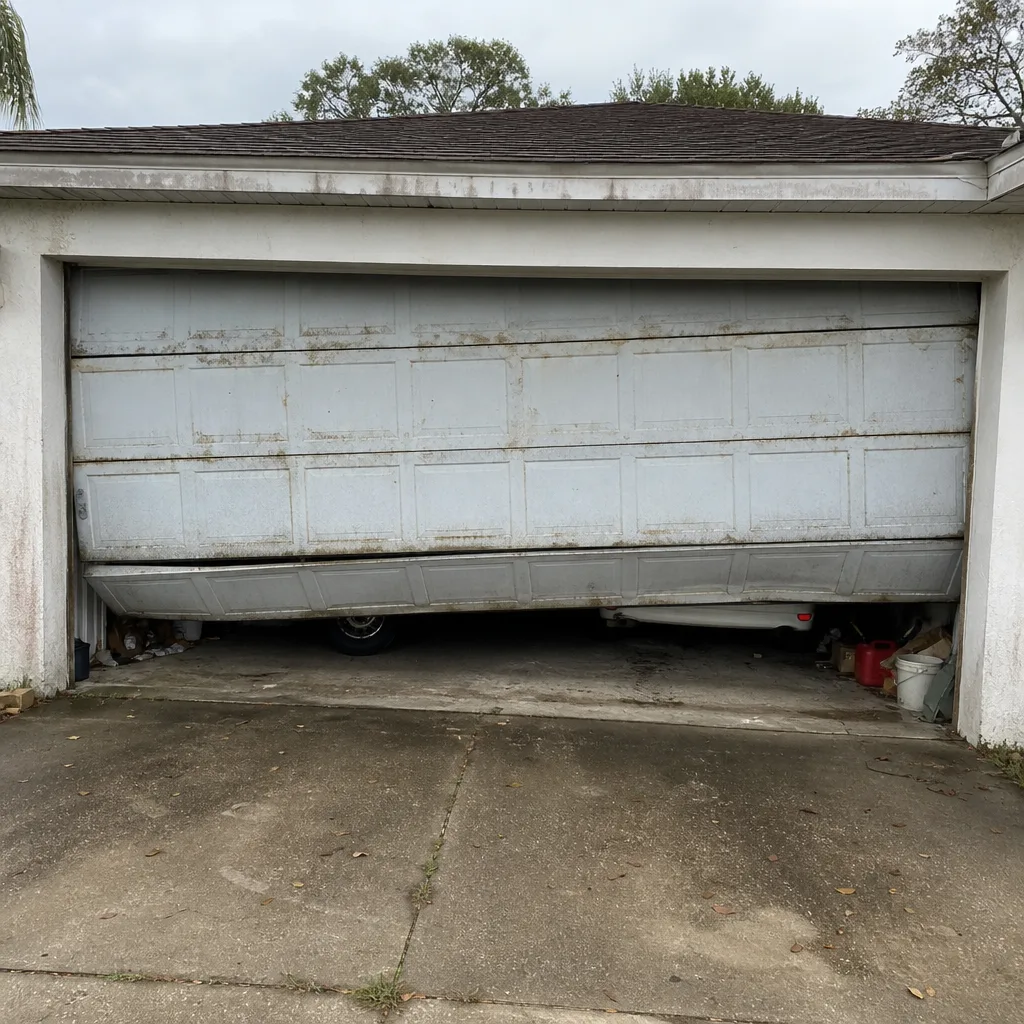 Before
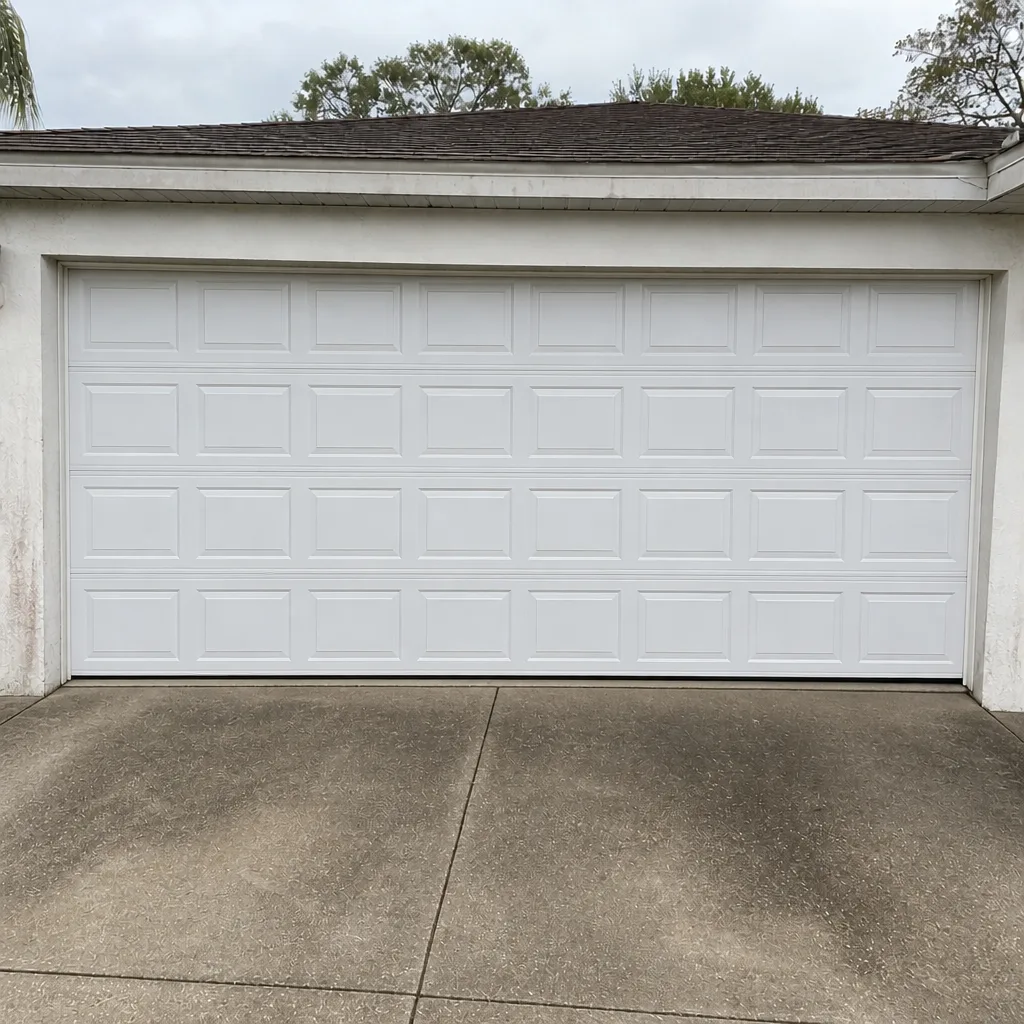 After
When to Call a Professional
Most of this guide is safe to do yourself. Call a professional in these situations: any suspected torsion or extension spring problem (including a balance test that fails or a door that sinks or rises on its own), a frayed or slack cable, a door that won’t reverse on the force test, a track that’s bent or pulled loose, an opener that’s louder than it used to be or won’t fully open the door, and any noise that started suddenly. Also call if you simply aren’t comfortable climbing or testing the door yourself; there’s no shame in it, and it’s safer than guessing. Ardent Garage Door Repair offers free estimates in Deltona. We work on the door and opener brands you likely own (Genie, Clopay, Amarr, Wayne Dalton, LiftMaster, Chamberlain, Craftsman and Raynor), and garage doors are all we do. Call (866) 611-8038 for a free estimate. We answer 24/7. Fast dispatch from 7am to 7pm, Sunday through Friday.
Frequently Asked Questions
Every three to four months is a good rhythm for most Deltona homes, and twice a year is the minimum. Use a garage-door-specific lubricant, apply it lightly to rollers, hinges and the torsion spring, and skip the tracks entirely. If your door cycles several times a day, err toward the more frequent end. If it’s a door that rarely moves, twice a year is plenty. Either way, wipe off excess so dust doesn’t collect in the humidity. Call (866) 611-8038 if you’d rather have a professional do a full inspection and lubricate everything at once; estimates are free.
No. Tracks should stay clean and dry. Grease or spray on the tracks attracts grit and causes the door to bind and the rollers to wear faster. Wipe tracks with a dry or slightly damp cloth and leave them alone. This is the most repeated, most wrong piece of garage door advice online, and correcting it fixes a lot of noise and binding problems. If your door still binds after the tracks are clean, call (866) 611-8038 for a free estimate; it’s usually a roller or balance issue, not the track.
The clearest sign is a door that won’t stay at waist height during the balance test; if it sinks to the floor, the springs have weakened. A visible gap in a torsion spring, a loud snap, or a door that suddenly feels very heavy all point to replacement. Springs are rated in cycles, so a heavily used door will need them sooner. Never adjust or replace springs yourself. Call (866) 611-8038 for a free estimate; we’ll tell you whether you need one spring or the pair.
Yes, in two specific ways. Year-round humidity means metal parts are prone to surface rust and rubber seals break down faster than in drier climates, so check seals and hinges more often and keep parts lightly lubricated. There’s no freeze-thaw or snow to worry about, so the winterizing advice you see online doesn’t apply. The monthly quick check and the twice-yearly balance and force tests are the core of the schedule here. If humidity has left your door noisy or binding, call (866) 611-8038 for a free estimate.
It depends on your specific door and opener, so read the paperwork that came with them. In general, warranties expect you to keep the door balanced, lubricate moving parts, keep the track clean, and test the safety reverse. Skipping these can jeopardize coverage, and adjusting springs or modifying the opener yourself usually does. Keeping a dated maintenance log is a simple way to protect yourself. If you’re unsure what your warranty requires, call (866) 611-8038 for a free estimate and an honest read.
Yes, both are safe to do yourself and take about a minute each. For the balance test, disconnect the opener and see if the door stays at waist height; for the force test, close the door on a sturdy object and confirm it reverses. If either fails, don’t try to fix it yourself; that’s a spring or safety-system issue. Call (866) 611-8038 for a free estimate. Fast diagnosis, lasting fix, and we’ll tell you plainly whether it’s something you can monitor or something that needs attention now.
The Bottom Line
The garage door maintenance schedule that actually works isn’t a long list; it’s a short one aimed at the right parts. Lubricate rollers, hinges and springs lightly every few months. Leave the tracks dry. Run the balance and force tests twice a year. Check seals and hardware before the wet season, and do a full inspection once a year. Springs and cables are budget-for-replacement items; rollers, seals and hinges are maintain-on-schedule items. That’s the whole plan, and it’s what keeps a Deltona door out of the emergency column. If any part of it fails, or you’d rather hand the whole schedule to a garage-door-only specialist, we’re here.
Ardent Garage Door Repair covers the full door lifecycle: garage door repair, garage door opener repair, and new installation, across every major brand in the driveway. We also serve the wider Deltona area. Whether you’re in Deltona and need a hand with a specific brand, visit Ardent Garage Door Repair to see how we work. Call (866) 611-8038 for a free estimate. We answer 24/7. Fast dispatch from 7am to 7pm, Sunday through Friday. Our technicians have up to 12 years of experience, and the price is quoted and agreed before any work starts.
Written by the team at Ardent Garage Door Repair.