
Last updated November 15, 2026
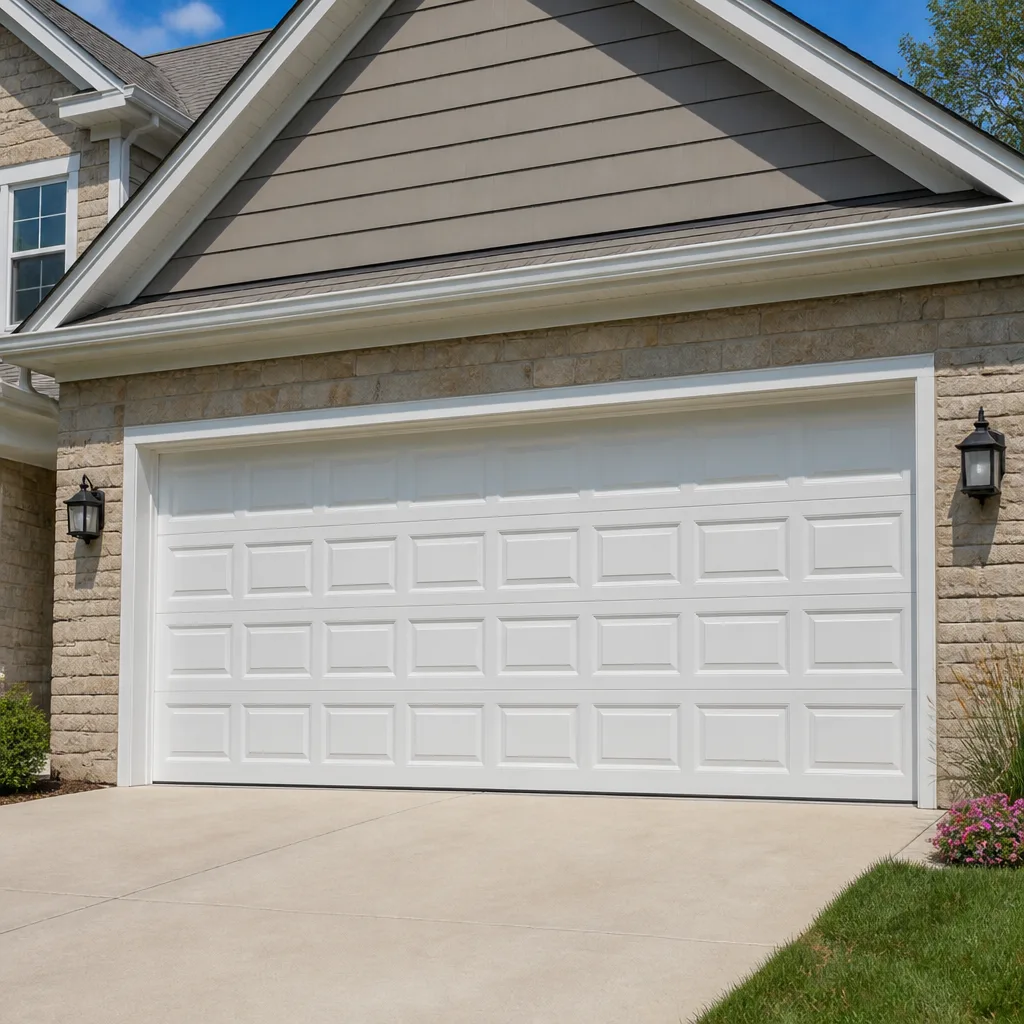 Raised-panel steel
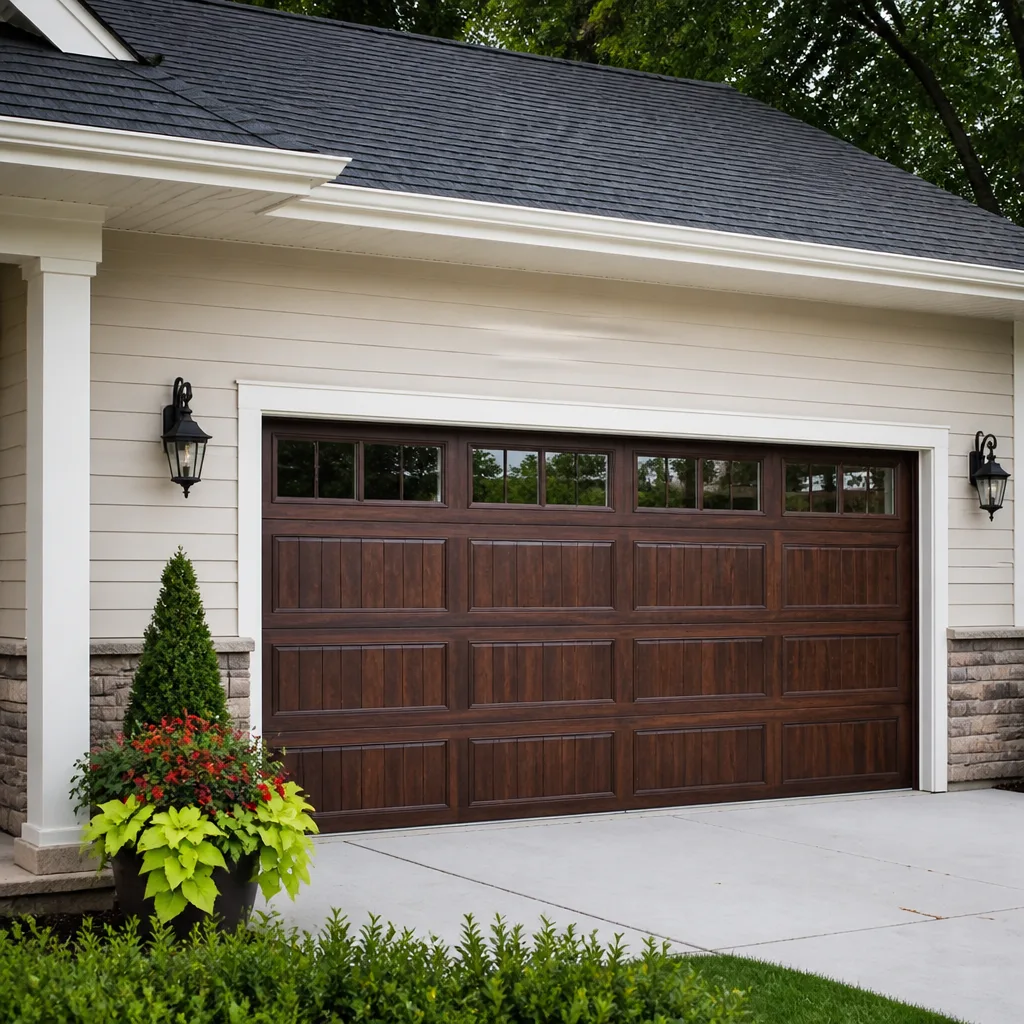
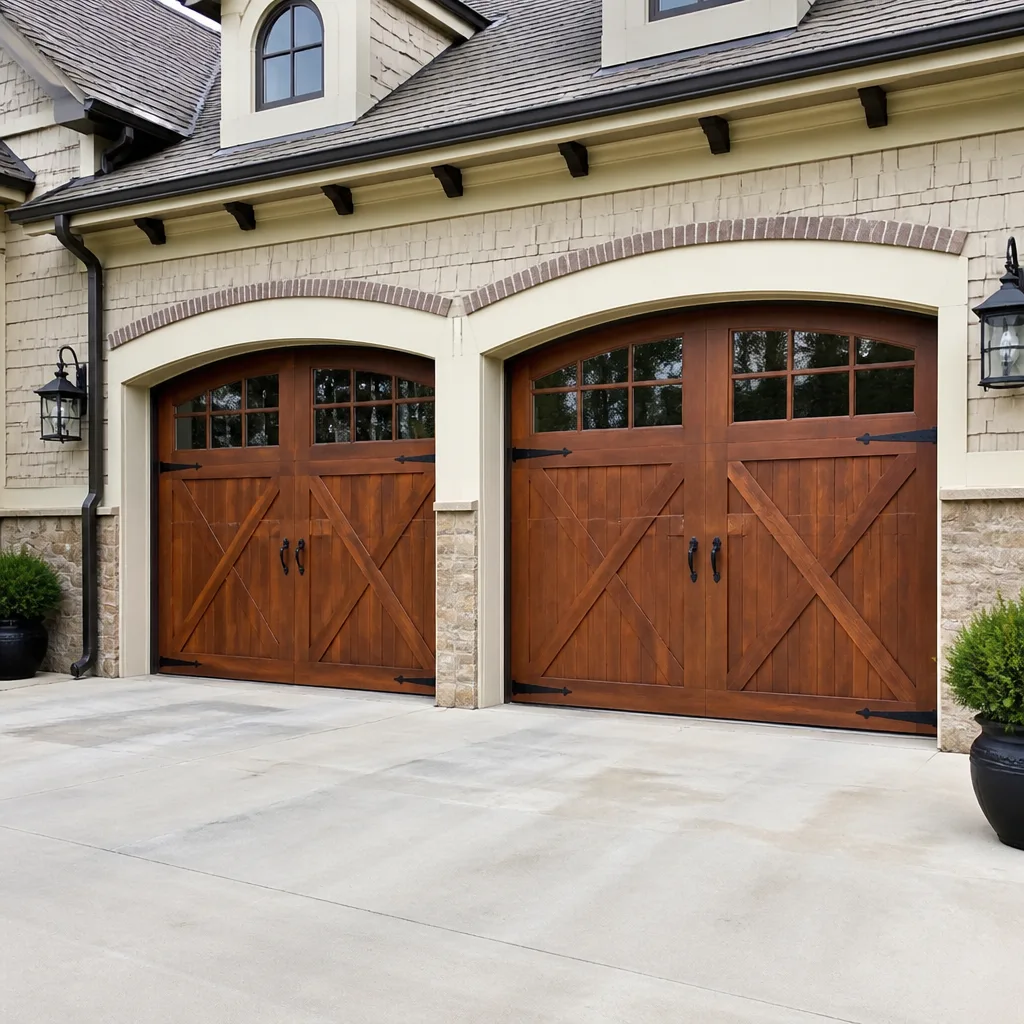 Carriage house
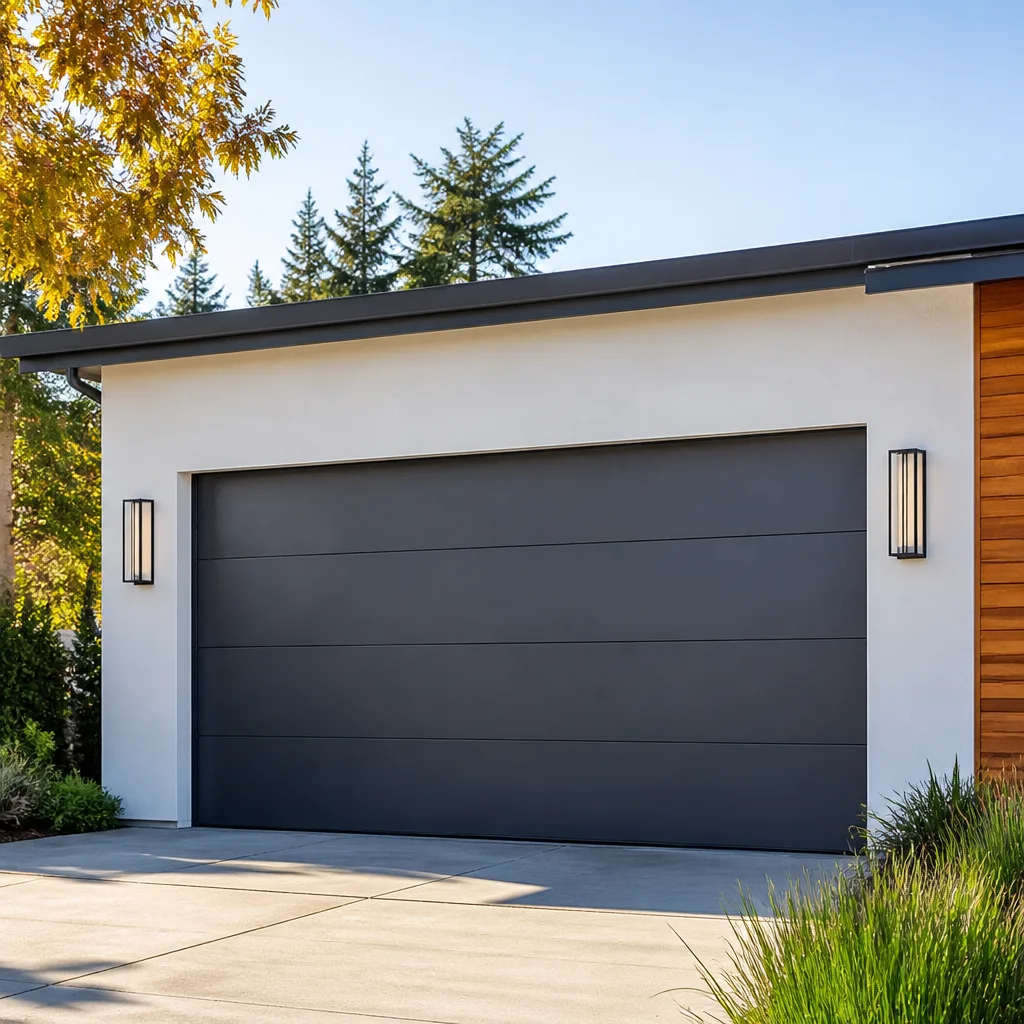 Modern flush
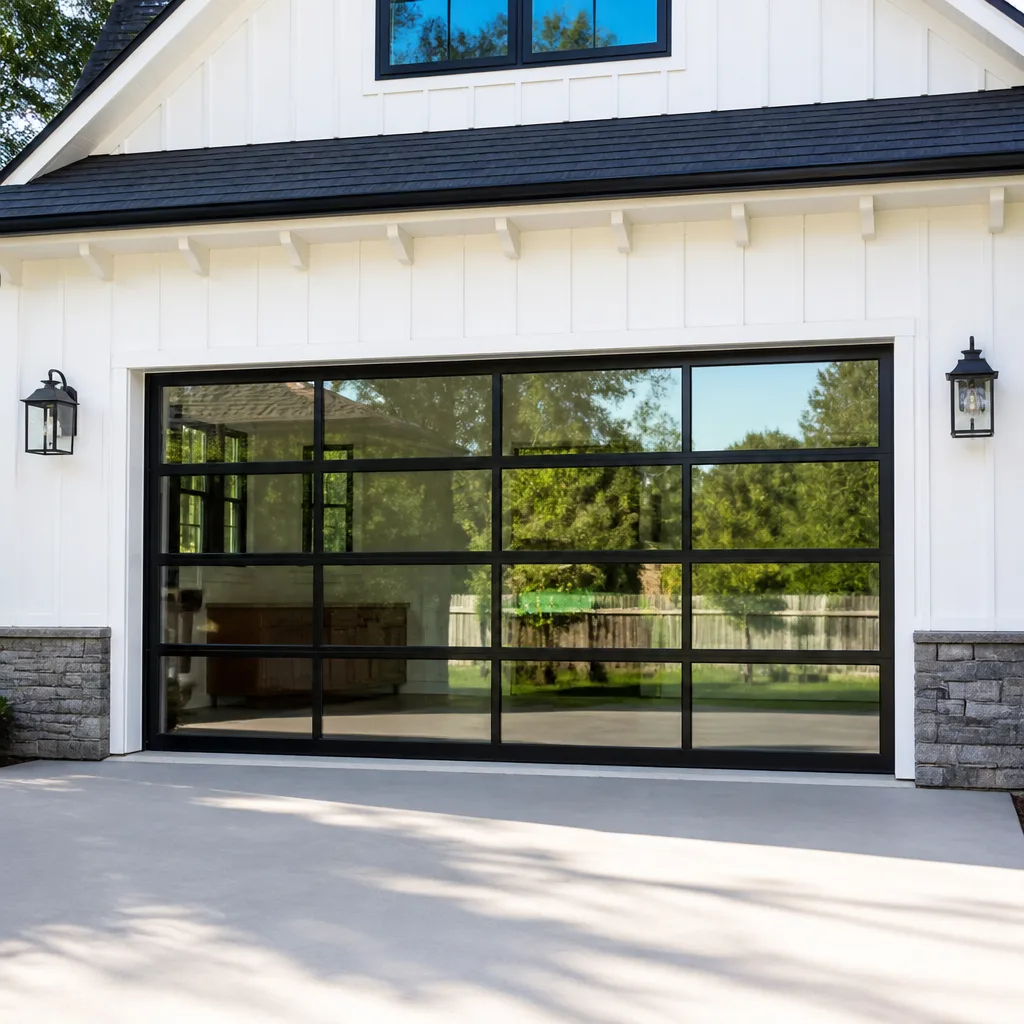 Full-view glass
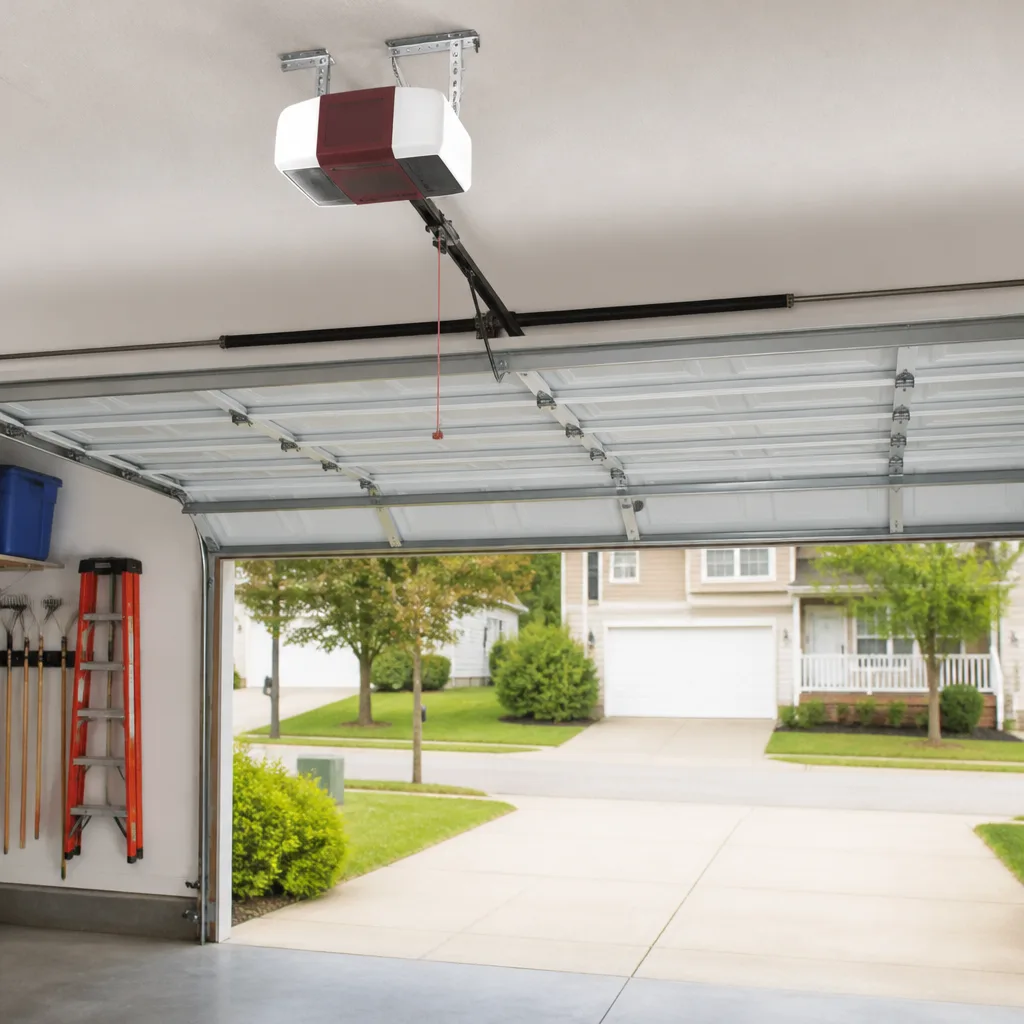 LiftMaster openers
 Chamberlain openers
Full 25-point door and opener safety check with every visit - springs, cables, rollers, tracks, and your LiftMaster or Chamberlain opener included
You get a price before we start. It does not change when the pro arrives.
Get your free estimateGarage Door Repair Maintenance Checklist for Deltona Homeowners
Lubricating your garage door springs with a spray of WD-40 is one of the most common maintenance moves Florida homeowners make, and it’s one of the fastest ways to shorten the life of the hardware. In humid climates, the wrong product traps grit against the metal and holds moisture where corrosion starts. The right product and the right schedule matter more here than almost anywhere else. This guide gives you a maintenance rhythm built for Deltona’s heat, its wet season, and the afternoon storms that roll through, plus honest lines on what you can handle with a rag and a can of lubricant, and what belongs in the hands of a trained technician.
Quick Answer
A garage door maintenance checklist for Deltona should be organized around two local seasons, not four. Twice a year you lubricate hinges, rollers, and tracks with a humidity-safe lubricant; monthly during the wet season you clear drains and check seals and photo-eyes for moisture problems. Springs, cables, and opener wiring are professional-only territory under Florida law, so your job is inspection and reporting, not repair.
Styles & brands we work with
- Raised-panel steel
- Carriage house
- Modern flush
- Full-view glass
- LiftMaster openers
- Chamberlain openers
Table of Contents
- Why Deltona’s Climate Asks for a Different Maintenance Rhythm
- Which Lubricants Work in Humid Climates (and Which Cause Harm)
- A Month-by-Month Task Calendar for Deltona
- The Hardware That Fails Fastest in Deltona’s Heat
- How to Inspect Weatherstripping on a West-Facing Door
- Photo-Eyes, Condensation, and Safety Alignment
- What You Can Safely Do vs. What Requires a Technician
- Opener Care: LiftMaster, Chamberlain, and Genie Systems
Why Deltona’s Climate Asks for a Different Maintenance Rhythm
Most garage door maintenance checklists floating around the internet were written for places with cold winters and dry summers. They tell you to inspect for freeze damage, to clear ice from tracks, and to test the door’s balance before the first snow. None of that applies in Deltona, and following that advice wastes your time on the wrong failure points.
What does apply is a year-round cycle shaped by heat and water. Deltona’s summers are long and humid, with daily high temperatures that bake a south- or west-facing door for hours each afternoon and afternoon thunderstorms that soak everything the sun just dried. That combination drives the failure modes we see most often:
- Torsion spring coatings that crack under thermal expansion and then pit from humidity
- Bottom seal rubber that hardens and shrinks in the heat before it ever wears out from contact
- Photo-eye lenses that fog with condensation, especially on doors near irrigation or in shaded exposures
- Track hardware that picks up grit and binds when dry lubricant turns gummy in the wet months
- Weatherstripping on west-facing doors that pulls away at the edges after a summer of afternoon sun
The practical takeaway is that a Deltona garage door needs attention based on the wet and dry cycle, not the calendar seasons you may have grown up with. Your heaviest inspections fall before the rain arrives and again when the rain tapers off, with light checks during the downpour months. It’s a different rhythm from a northern checklist, and if you get the rhythm right, most doors here last a long time.
Which Lubricants Work in Humid Climates (and Which Cause Harm)
The most common DIY mistake we see in Deltona is spraying WD-40 on hinges, rollers, and springs. WD-40 is a water-displacing solvent, not a lasting lubricant. In humid conditions it does the opposite of what you want: it thins the existing grease, attracts dust and palm grit, and holds moisture against bare steel. On spring coils, that combination accelerates surface corrosion. Hardware that should last years starts pitting within a couple of wet seasons.
The right products for a Central Florida door are those that stay where you put them and don’t attract grit. A short list to work from:
- White lithium grease (spray or tube). Good for hinges and the roller stems. It stays put, doesn’t run in the heat, and holds up in humidity.
- Silicone spray. The best choice for weatherstripping and vinyl seals. It’s clean, dry, and won’t degrade the rubber.
- Dedicated garage-door lubricant. Formulated specifically for the torsion spring and the track. A thin coat, applied with a rag, is all you need.
What to skip:
- WD-40 on springs or hinges. It thins existing lubricant and does nothing against moisture long-term.
- Motor oil or engine grease. Too heavy, attracts grit, and gums up tracks in the wet season.
- Graphite powder. Works for lock cylinders, but on a garage door it migrates everywhere and stains the panel.
- Cooking spray. It works for a day and then oxidizes and becomes sticky.
Use a rag, not a spray can, when you apply anything to a torsion spring. A light coat that’s worked in with your fingers through the rag does more for corrosion protection than a heavy spray, which just flings product around under the door and onto the panel. And if a spring is showing visible pitting or rust, don’t lubricate it, call us. A pitted spring is a spring that’s on its way out, and no amount of grease reverses that.
A Month-by-Month Task Calendar for Deltona
A Florida maintenance calendar follows the weather, not the four neat seasons on a generic checklist. Here’s the schedule we recommend for a garage door in Deltona, organized around the dry season, the wet season, and the storm-prep window.
Dry season: November through April
- Early November. Full lubrication of hinges, roller stems, and springs with white lithium or dedicated door lubricant. Check every roller stem for play.
- December. Inspect weatherstripping edges and bottom seal for cracking. Cooler and drier air is easier on rubber, so repairs you make now hold.
- February. Test the safety reverse with a small box on the floor (see the photo-eye section). Wipe down the photo-eye lenses with a dry cloth.
- March. Walk the track with a level. Tracks that loosened over the cooler months are easiest to spot now, before the heat and rain return.
- April. Re-lubricate. This is the last full pass before the wet months, and it’s the pass that matters most for the summer.
Storm-prep and wet season: May through October
- Early May. Trim plants and branches clear of the door opening. Check the door’s balance by disconnecting the opener and lifting the door by hand halfway; it should hold roughly in place.
- June through September. Once a month: wipe the photo-eye lenses, clear gutter downspouts that empty near the door opening, and look for water pooling on the slab that finds its way under the bottom seal.
- After any named storm or heavy weather. Inspect the tracks for debris. A single palm frond wedged in the vertical track causes the door to bind, and repeated binding fatigues the opener motor.
- October. Full lubrication again, and a close look at spring coating and any exposed cable for rust or fraying.
Keeping this rhythm is the single most effective thing you can do to avoid a sudden failure in the middle of a wet afternoon, when you most need the door to work and least want to be dealing with it.
The Hardware That Fails Fastest in Deltona’s Heat
Every climate has its own list of what wears out first. In Ohio it’s cold-weather failure of the door’s balance and the opener’s torque. In Deltona it’s three things: torsion spring coatings, bottom seal rubber, and any hardware that’s exposed to direct afternoon sun. Knowing which components are the likely culprits helps you know what to watch and when to expect an eventual replacement.
Torsion spring coatings
A torsion spring’s protective coating cracks under the constant cycle of heating and cooling. Once cracked, the bare steel underneath pitted by humidity is right back where a new spring was. Cracking usually appears on the closest-facing surface and on the coil where the spring is under the most tension. If the paint on your spring is flaking rather than smooth, that spring is closer to the end of its life than the calendar suggests.
Bottom seal rubber
The bottom seal is the strip along the very bottom of the door. It’s the first thing to notice the heat and the last thing most homeowners think to check. Hardening and shrinking are the two early symptoms. A seal that used to compress softly now feels brittle, and eventually you can see daylight under the door or feel air escaping on a windy day. Once the seal stops sealing, wind-driven rain gets in, and you may start seeing water on the garage floor after storms.
South- and west-facing door panels and seals
On the east-west street grids common in Deltona, the side of the house that faces west takes a summer of full afternoon sun. That exposure accelerates label fade, panel warping on cheaper doors, and edge pull-away on the weatherstripping. If your garage door is west-facing, expect it to show its years faster than an east-facing neighbor’s, and check its seals and labels twice as often.
If you’re seeing any of these signs, it’s worth a free professional look before the next wet season. Our technicians have up to 12 years of experience; a quick inspection catches the small stuff before it becomes a full-panel or full-spring replacement.
How to Inspect Weatherstripping on a West-Facing Door
West-facing garage doors in Deltona fail their weatherstripping differently than doors in other exposures. The direct afternoon sun hits the same edge of the vinyl or rubber seal every day, and eventually that edge pulls away from the frame. Once the edge pulls away, the sun gets behind the seal and accelerates the failure. It’s a localized failure, not a gradual one across the whole strip, which is why a quick glance often misses it.
Here’s a simple inspection you can run twice a year, ideally in the cooler months when you won’t be standing in the sun:
- Look at the edges first. Where the strip meets the frame, look for gaps, curling, or a change in color. This is where the sun damage starts.
- Run your fingers down the strip. A healthy strip feels soft and springy. A failing one feels hard, chalky, or has a fine crack visible under the surface.
- Close the door and look for daylight. Bumped open the door and shut it, then stand inside with the lights off. Any daylight at the top, sides, or bottom is a leak.
- Spray a light mist of water from outside. With the door closed, do this along the sides and bottom. If you see water inside, you’ve found a real gap, not a cosmetic one.
Weatherstripping replacement is a genuinely DIY-friendly job, and it’s one of the few door-related repairs you can safely do yourself. Buy the replacement strip for your door width, remove the old strip from its track or nails, and slide or nail the new one in place with the seal pressed against the frame. Silicone spray on the new strip will help it slide and last longer. If the door frame itself is warped, though, the new strip won’t sit flush, and that’s a job for a technician.
Photo-Eyes, Condensation, and Safety Alignment
Photo-eyes are the two sensor units near the door’s floor line. They shoot an infrared beam across the opening and tell the opener to stop or reverse if anything interrupts it. In humid climates, the lenses fog with condensation, and the fog is enough to break the beam and make the door reverse for no obvious reason.
Testing the photo-eyes is a task a homeowner can safely do:
- Close the door and confirm the lenses are clean. Use a dry cloth, not a wet one; a wet wipe leaves streaks that do the same thing as fog.
- Push the close button. The door should travel down toward the floor.
- Wave a broomstick or small box through the beam. A functioning door stops and reverses. A door that keeps closing needs a technician.
If the door reverses for no reason, or the opener’s light flashes a diagnostic pattern, one of the two units likely lost alignment. The lenses should be roughly 4 to 6 inches off the floor, aimed at each other, and the LED indicator on one unit should be solid when nothing is in the way. If the LED flickers or stays dark, the lenses are either fogged, dirty, or the aim has slipped. That’s a quick fix for a technician and a genuinely valuable safety check for you.
What You Can Safely Do vs. What Requires a Technician
Florida’s electrical codes and the practical reality of high-tension springs draw a bright line between cosmetic maintenance and real repair. The safest rule is that anything involving stored energy, live wiring, or the opener’s internals is professional work. The rest is within a homeowner’s reach.
Safe for you
- Lubricating hinges, roller stems, and tracks with a humidity-safe product
- Cleaning photo-eye lenses and checking their alignment
- Replacing weatherstripping and bottom seals
- Inspecting the outside of the door for cracks, panel damage, and paint fade
- Testing the safety reverse and the door’s balance
- Clearing debris from tracks
Professional-only
- Any work on torsion springs, even visually inspecting one that seems damaged
- Any work on cables, drums, or the door’s lifting mechanism
- Troubleshooting opener wiring, circuit boards, or wall controls
- Replacing rollers whose stems have frozen or bent
- Realigning or replacing track sections
- Replacing a door panel or the door itself
Torsion springs hold tremendous stored force, and a spring that snaps during a homeowner’s attempt to adjust it is a genuine injury risk. Our team works on them daily and treats them with the respect they deserve. If a spring, cable, or track is involved, please call us rather than attempting the fix. It’s faster, and it’s safer.
For anything mechanical or electrical, a free estimate is a good starting point. We’ll diagnose the issue and give you a written price before any work starts. And if you’ve already tried a fix and made it worse, we’d still rather hear from you now than after the next failure.
Opener Care: LiftMaster, Chamberlain, and Genie Systems
Openers are the most commonly replaced garage door component in Deltona, and they’re often replaced when a repair would have done. The three brands we see most often in local driveways are LiftMaster, Chamberlain, and Genie. Each has its own quirks, and knowing the quirks helps you know when a repair beats a replacement.
LiftMaster and Chamberlain units share a family of designs, so their failure modes overlap. Common issues are wall-control batteries and photo-eye alignment, both of which manifest as symptoms the opener reports, not as failures of the motor. When a LiftMaster or Chamberlain opener stops responding, the motor itself is often fine. A professional diagnostic will tell you which part to replace.
Genie units tend to be sensitive to the door’s balance. A Genie with a failing spring will often work harder than it should and eventually trip its circuit board. The opener gets blamed when the real problem is the mechanical balance of the door.
For every brand, the maintenance you do for the door protects the opener. A well-lubricated, well-balanced, weather-sealed door is much easier on the opener’s motor and its circuit board. Keep the door healthy and the opener lasts longer. Visit our garage door installation page if it’s time to replace the whole system rather than repair one part.
If your opener is behaving oddly, our desktop coverage of garage door opener repair explains the full diagnosis path. But before you replace an opener that’s just doing what a failing spring or balance problem is forcing it to do, it’s worth a free diagnostic. A door repair is often the fix.
Common Mistakes to Avoid
- Spraying WD-40 on the springs. We cover this at the top and we’ll cover it again: it doesn’t lubricate, it attracts grit and holds moisture, and on a spring it dramatically shortens life. Use a dedicated garage-door lubricant instead, applied with a rag.
- Ignoring the bottom seal until it’s torn. In Deltona’s heat, rubber hardens and shrinks long before it’s worn out from contact. Check it twice a year and replace it as soon as it feels hard, not when you can see daylight through it.
- Replacing the opener when the door is the problem. A misdiagnosed opener is the most expensive kind of mistake in this trade. Balance, spring, and track problems all manifest as opener problems. Diagnose the door first.
- Skipping the safety reverse test. It’s a five-minute check and it’s the one test that protects everyone in the house. Do it monthly if you can, and after any wet-season storm.
- Assuming a west-facing door is “just older.” If the door is sun-facing, the weatherstripping needs replacement on a predictable schedule. Don’t write off curling edges as normal wear; they’re the first sign of a bigger moisture problem.
- Assuming Florida code gives you a longer timeline for spring replacement. It doesn’t. Springs are rated in cycles, not years. A busy household in Deltona can put a set of springs through its rated life faster than the calendar suggests, so watch for pitting and visible rust rather than counting years.
- Attempting spring or cable work yourself. This is the one mistake we’d stop a homeowner from making every single time.
See the difference
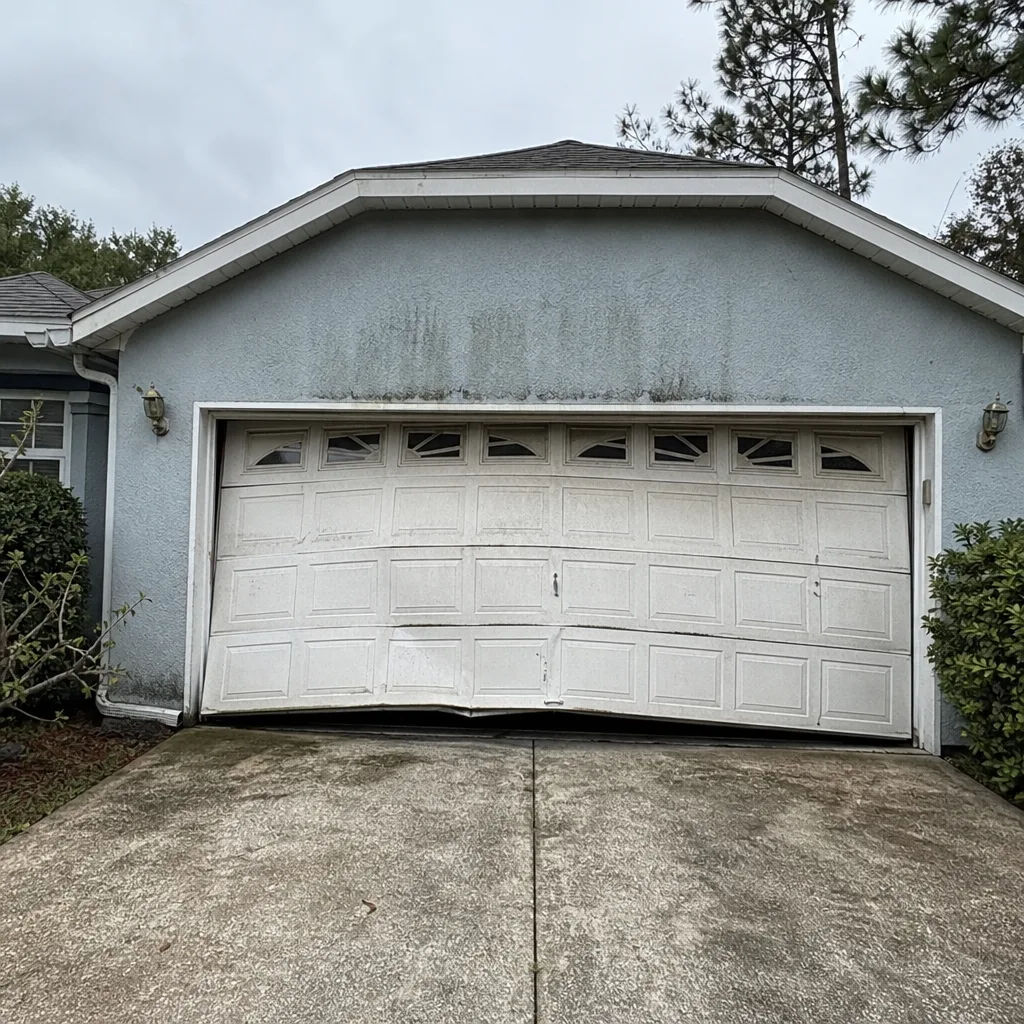 Before
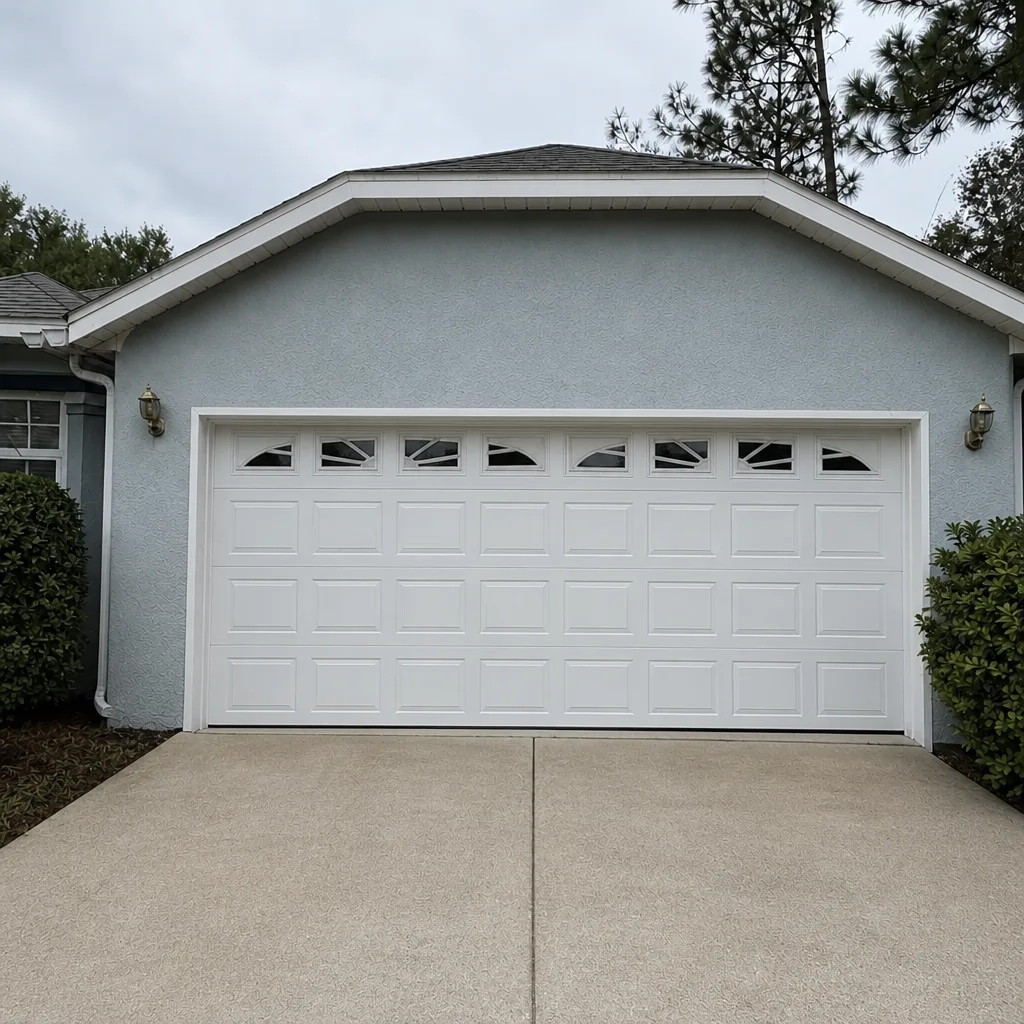 After
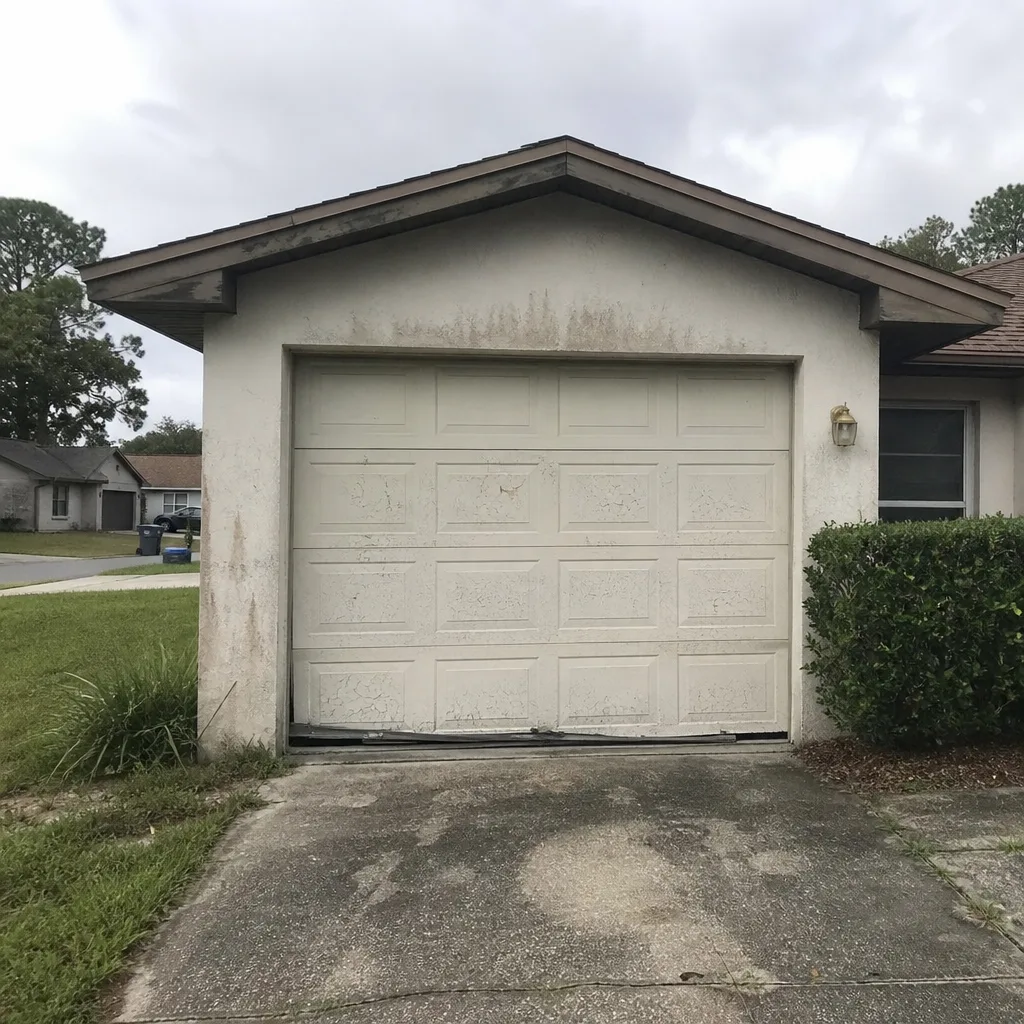 Before
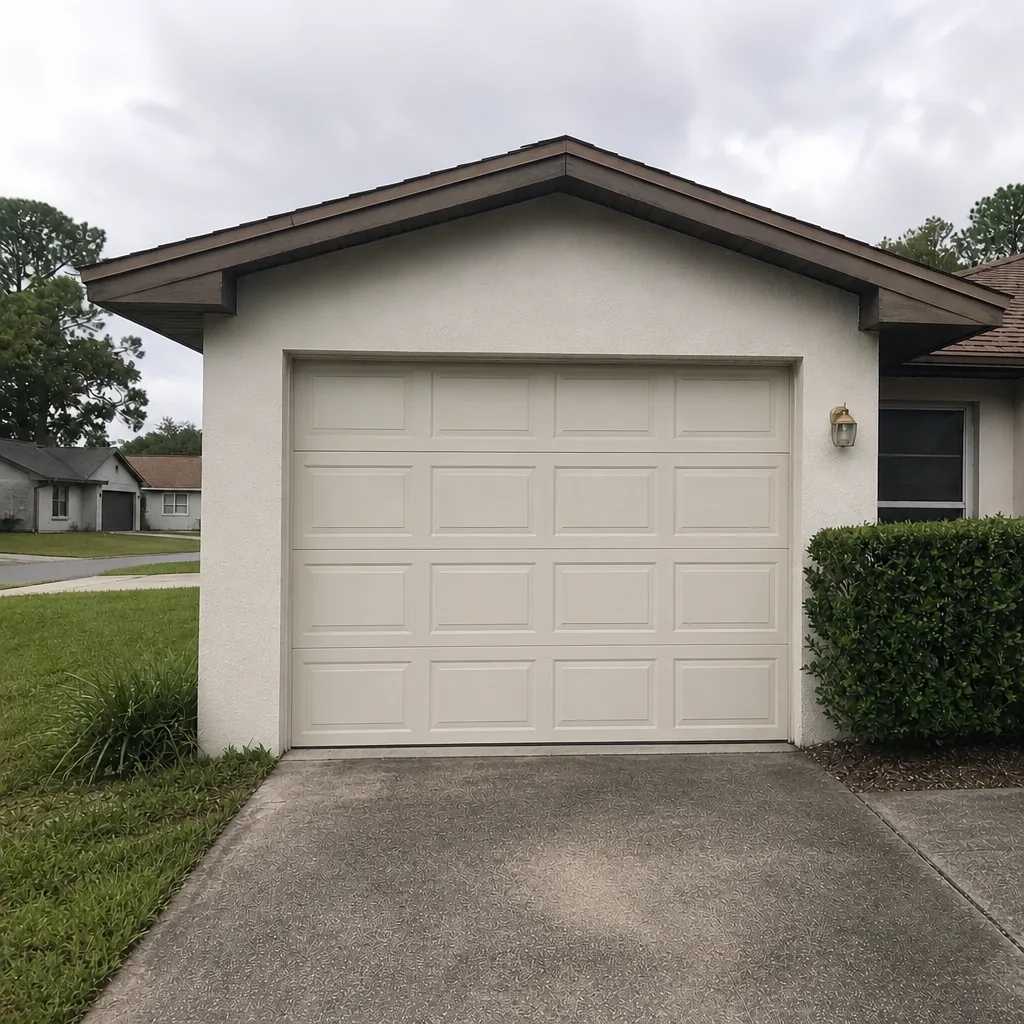 After
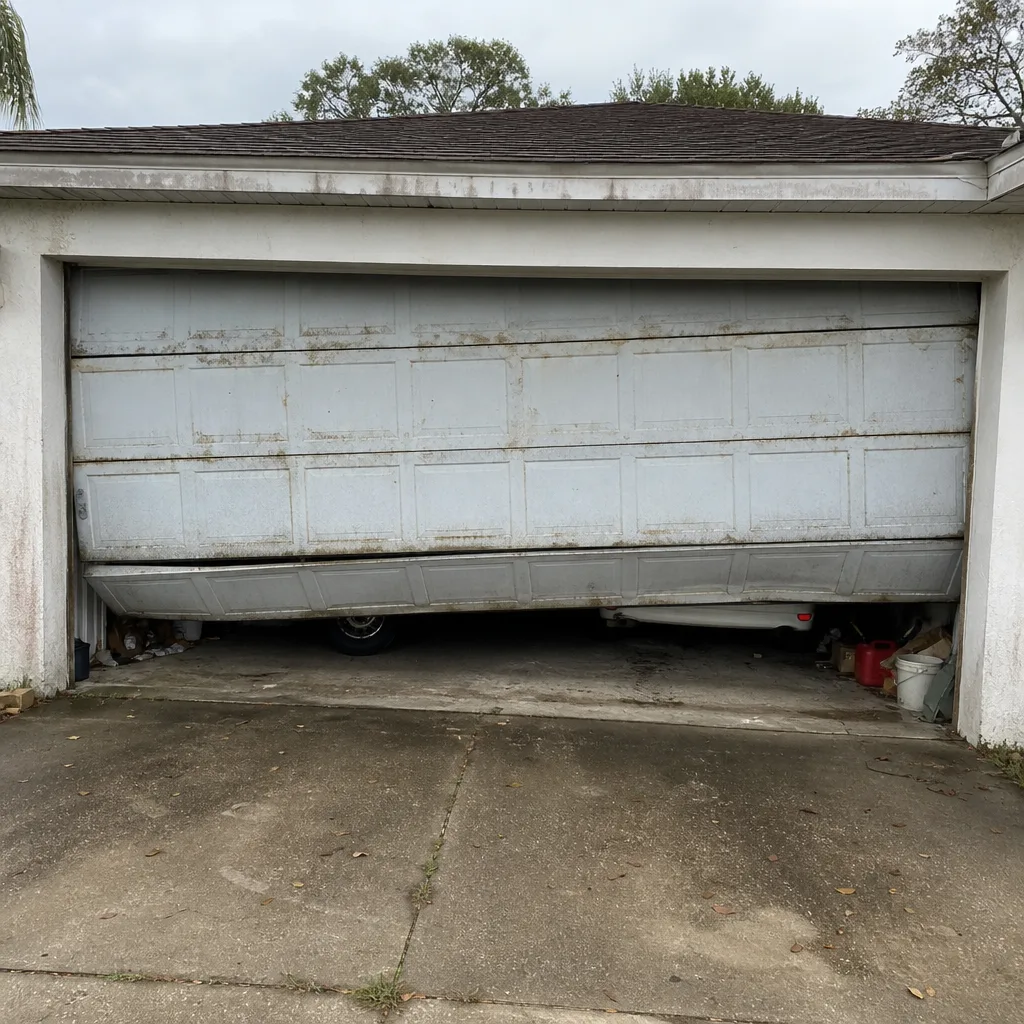 Before
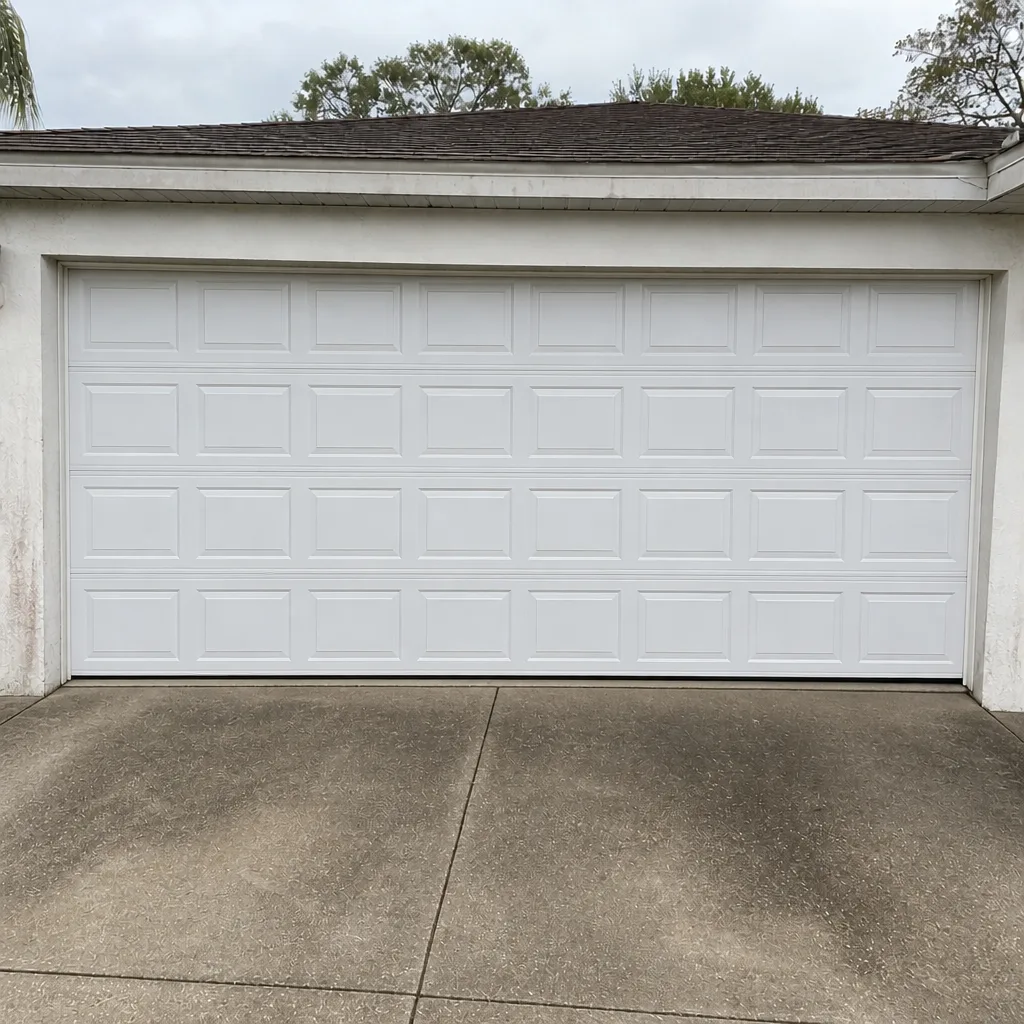 After
When to Call a Professional
Some garage door problems are maintenance, and some are dangerous. Knowing the difference is the practical heart of any checklist. Call a professional if any of these are true:
- The door won’t open, closes halfway, or reverses unexpectedly
- You hear a loud snap from the door; that’s a spring letting go
- The door is off its tracks, or a track is bent
- A cable is frayed, hanging loose, or has come off its drum
- The opener is struggling, reversing, or making noise it didn’t used to make
- You’re seeing rust or pitting on the torsion springs
- The door is binding and the opener is doing more work than it should
For a door that fails on a Saturday, we’re closed Saturday but we answer the phone to book you into the next opening. Ardent Garage Door Repair offers free estimates in Deltona. Call (866) 611-8038. We answer 24/7. Fast dispatch from 7am to 7pm, Sunday through Friday. The written estimate sets the final price before any work starts, and we work on the full door system, from opener to panel.
If you’re looking for garage door repair in Deltona, we’re glad to help. If it’s an opener that’s the problem, we handle that too. And if the door is simply past its useful life, we can help you pick a replacement from the brands we work with daily.
Frequently Asked Questions
Twice a year is the right cadence for a Deltona door, once in early November and once in April before the wet season. In the wet months, keep a light check monthly; if the door starts squeaking or the track picks up grit, a quick clean and a thin coat of dedicated lubricant is worth the five minutes. Use white lithium or a product formulated for garage doors, not a general-purpose solvent.
No. WD-40 is a water-displacing solvent, not a lasting lubricant, and in humid climates it thins the existing grease and holds grit against the metal. That’s exactly backwards for corrosion protection. Use a dedicated garage-door lubricant on the springs and a rag to work in a thin coat, and skip the WD-40 entirely.
Clean the lenses monthly with a dry cloth and check their alignment. If the fog keeps returning, look for a source: irrigation nearby, a dripping gutter, or a shaded exposure that stays wet. Fixing the moisture source is better than cleaning the lens twice a week. If the lenses won’t stay in alignment, a technician can re-aim them.
No. Torsion springs hold tremendous stored force, and a spring that snaps while you’re adjusting it can cause serious injury. Releasing or replacing a spring is professional-only work. If your spring is pitted, cracking, or making noise, call us. We treat it with the respect it deserves, and we’d rather spend an hour on a free estimate than see you get hurt.
If the strip feels hard, chalky, or you can see daylight at the closed door’s edges, it’s time. Run your fingers down it and check the top edges where the sun hits; that’s where the failure starts. Replacing it is a safe DIY job if the frame is square, but if the door frame is warped, a technician needs to look at it.
Usually it’s a photo-eye alignment or fogging issue, or a small amount of debris in the track. The safety reverse is the door’s most important safety feature, so don’t disable it. Wipe the lenses, clear the tracks, and test the reverse with a box. If the problem persists, a technician should check the sensors and the opener’s diagnostic lights. Call (866) 611-8038 and we’ll book you in.
The Bottom Line
Maintaining a garage door in Deltona comes down to a simple rhythm: keep the right lubricants on the hardware, work the wet-season checks into your routine, and know the line between what you can safely do and what demands a technician. The heat and humidity are genuinely hard on springs, seals, and photo-eyes, but a door that gets regular attention in the correct product will outlast one that doesn’t. Reach out to Ardent Garage Door Repair when you want a free estimate, or visit our Deltona service page to learn more about how we help homeowners here. We work on the full door system, from opener to panel, in every brand you’re likely to own. Our technicians have up to 12 years of experience, and we treat every door as worth getting right.
Call (866) 611-8038 for a free estimate. We answer 24/7. Fast dispatch from 7am to 7pm, Sunday through Friday.
Written by the team at Ardent Garage Door Repair.