
Last updated November 15, 2026
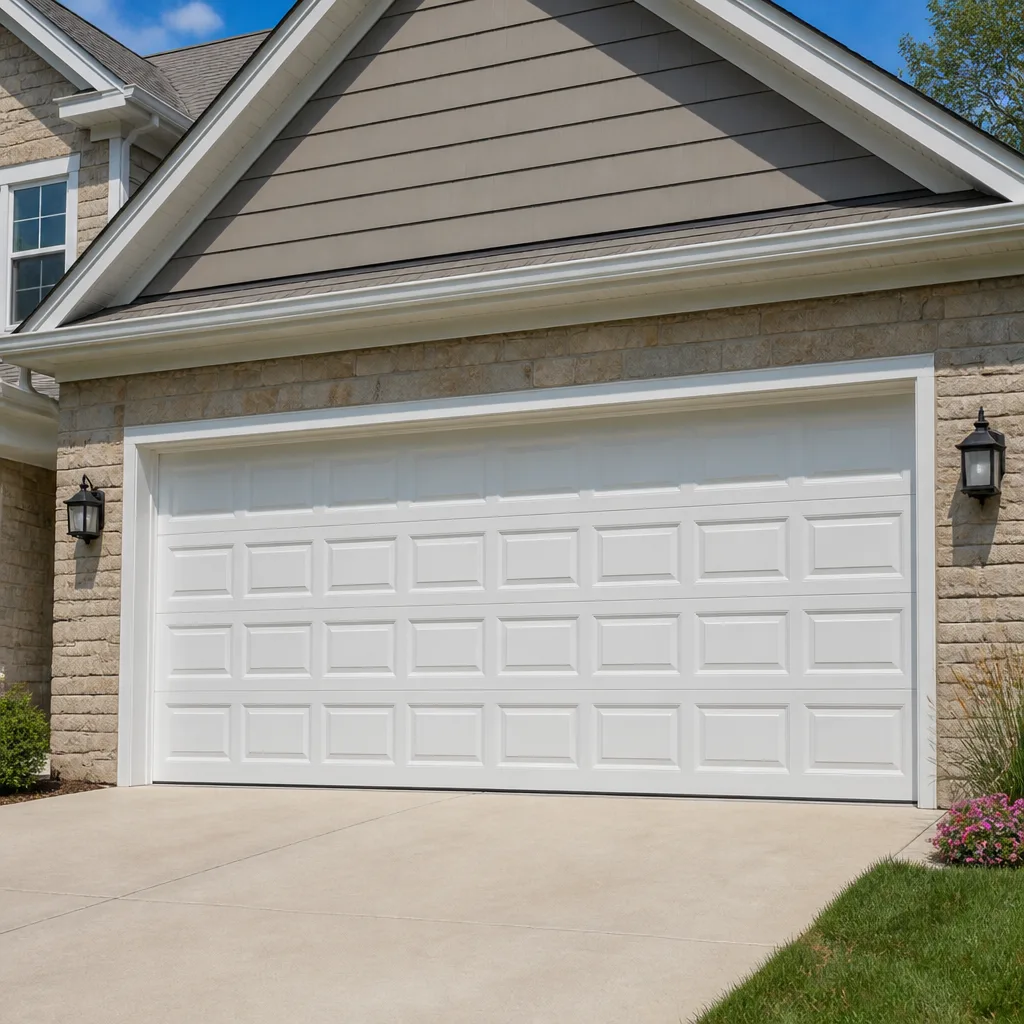 Raised-panel steel
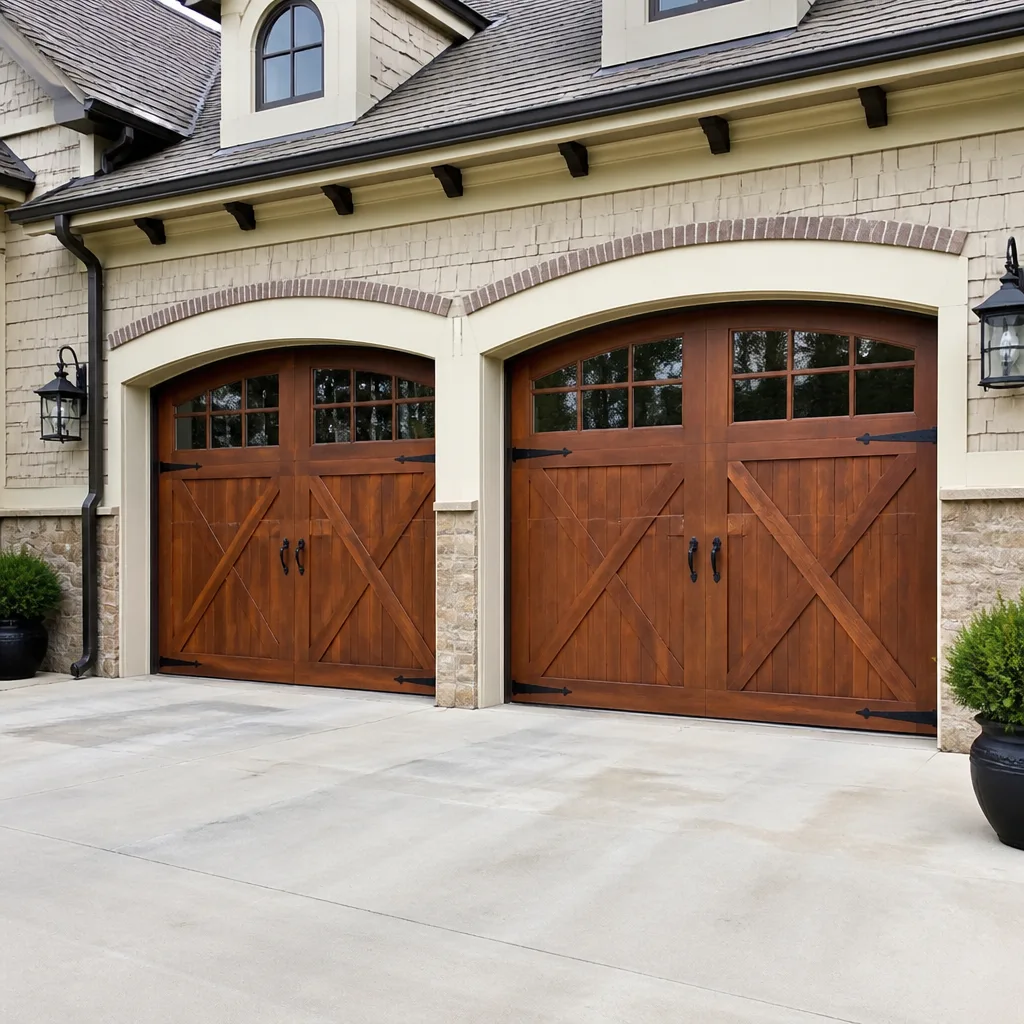 Carriage house
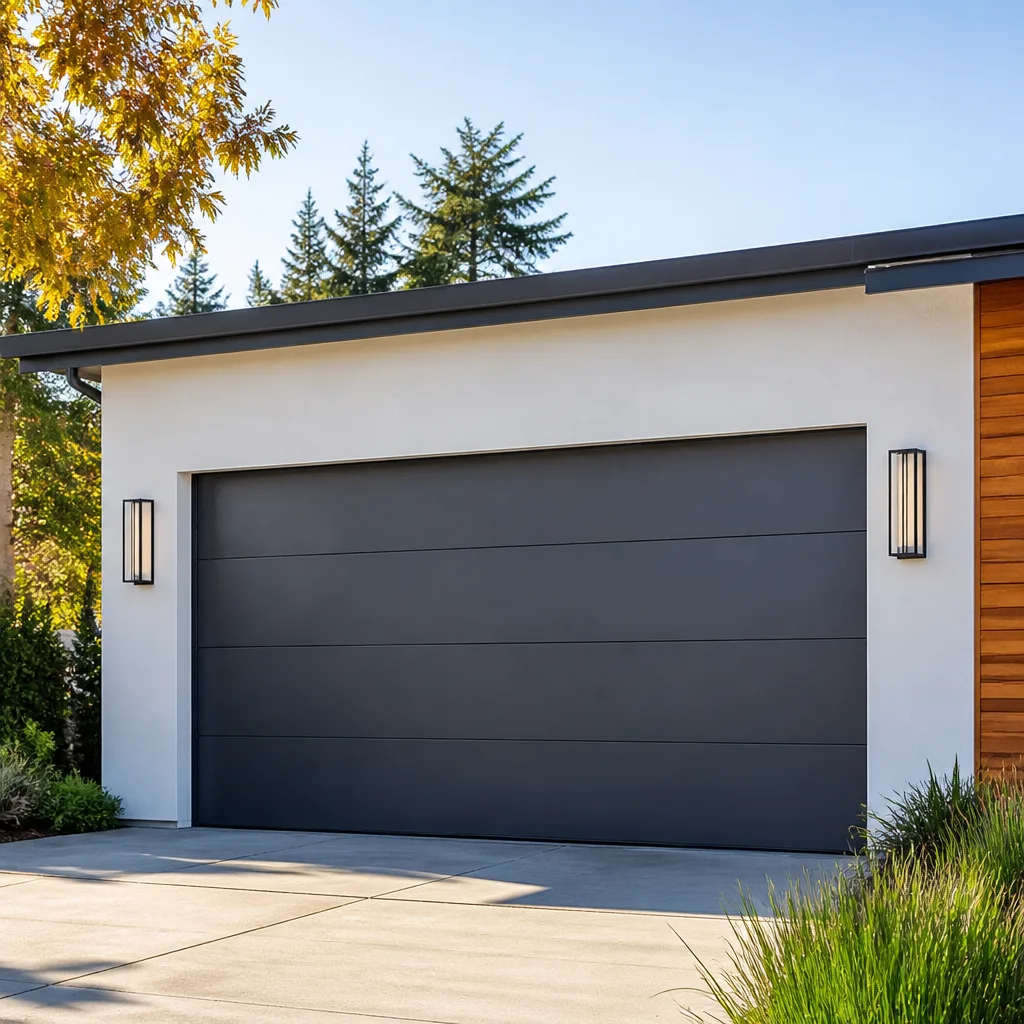 Modern flush
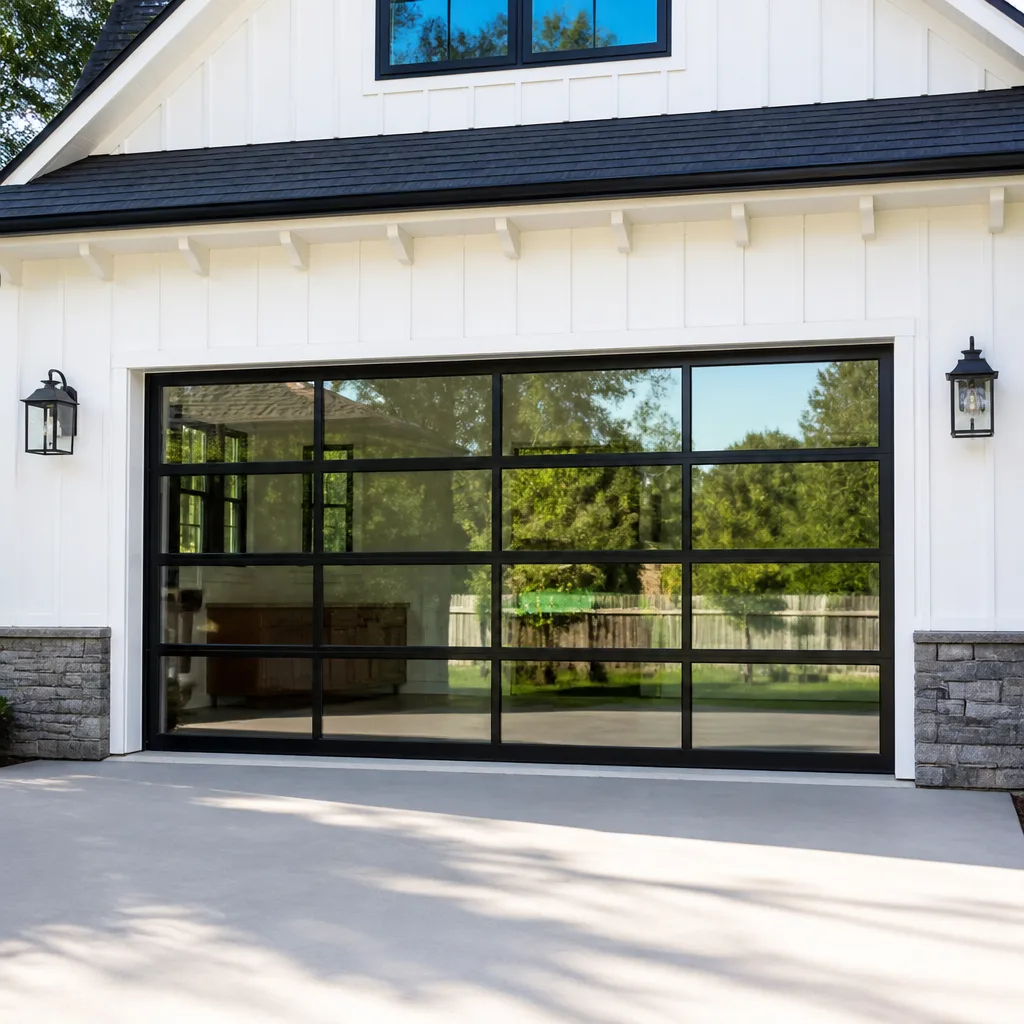 Full-view glass
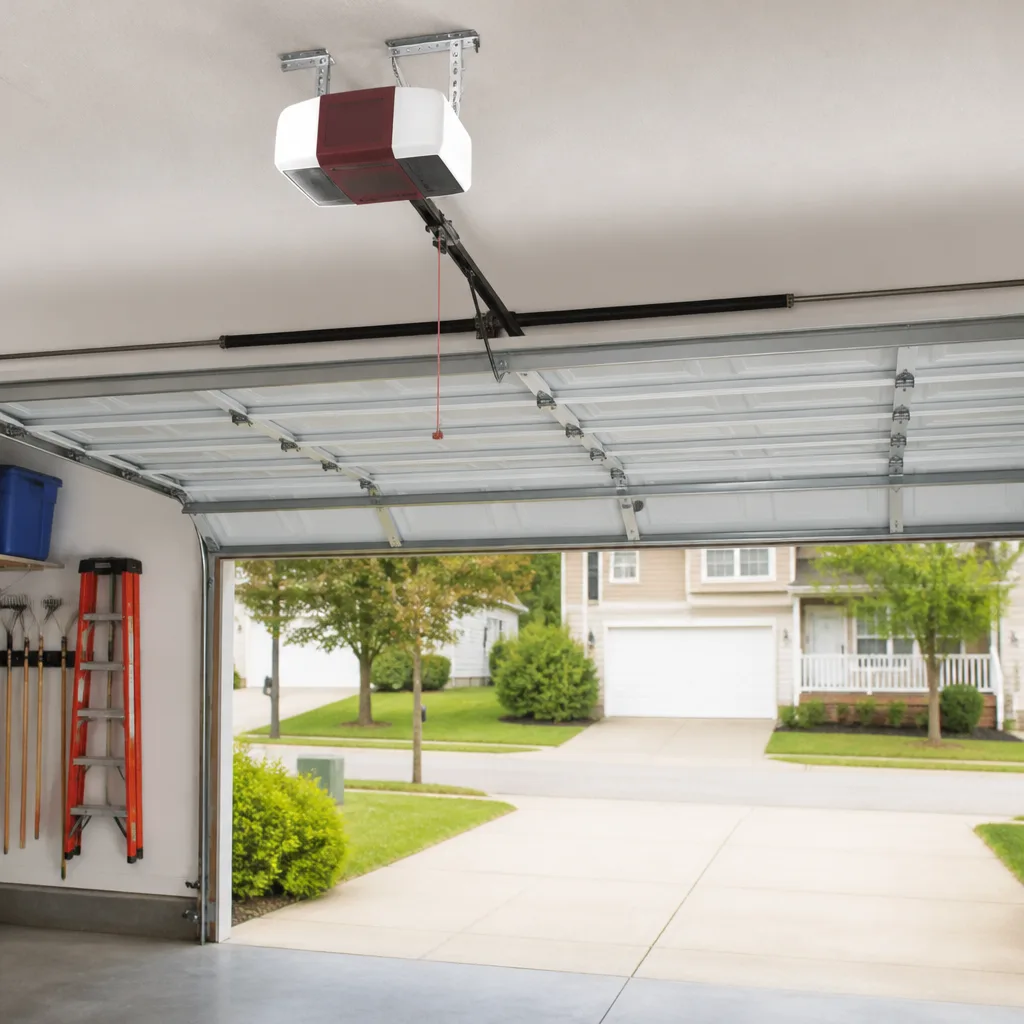 LiftMaster openers
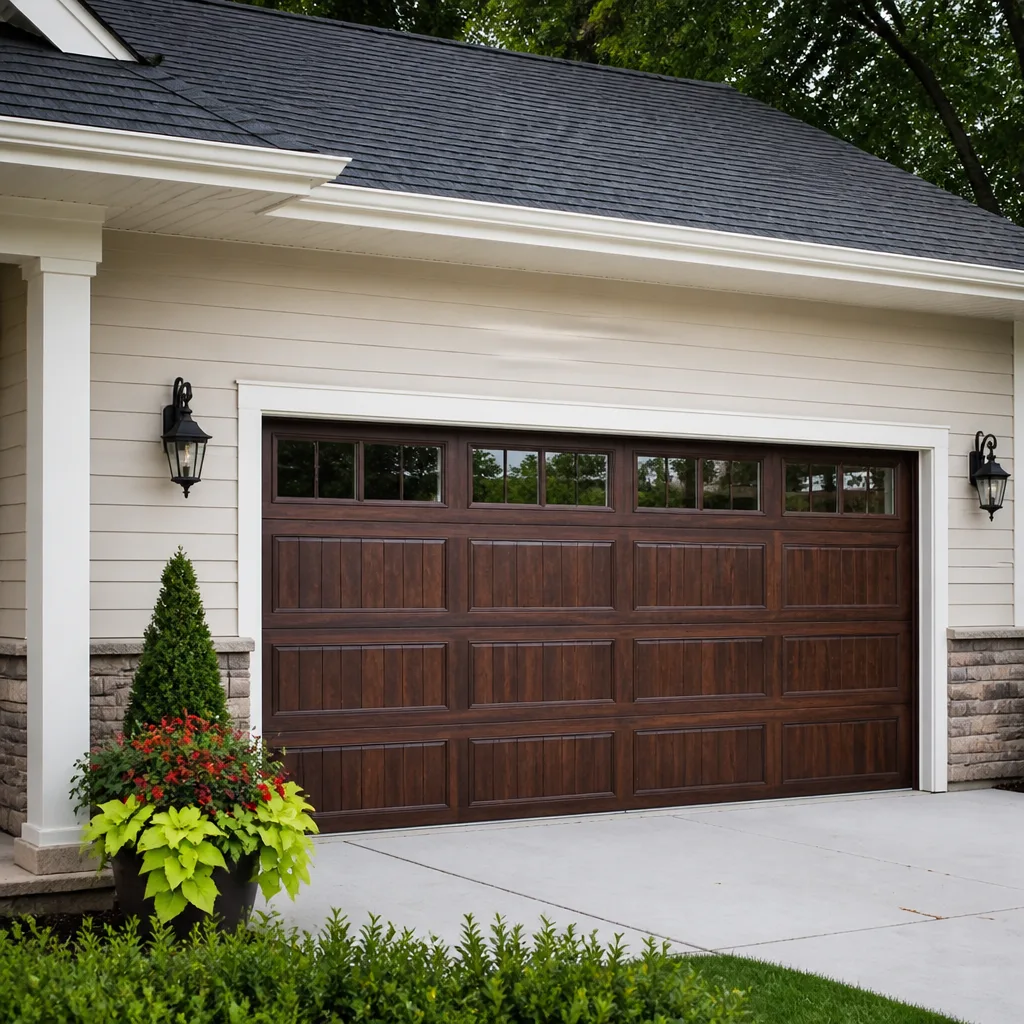 Chamberlain openers
Full 25-point door and opener safety check with every visit - springs, cables, rollers, tracks, and your LiftMaster or Chamberlain opener included
You get a price before we start. It does not change when the pro arrives.
Get your free estimateThe Complete Guide to Garage Doors in Deltona
Deltona grew faster than almost any city in Florida for more than a decade, and that growth left a mark on every street: thousands of homes built in the same stretch of years, many of them fitted with the same builder-grade garage doors. That shared timeline matters more than most homeowners realize. Doors installed during the boom are now reaching the age where springs fatigue, panels sag, and openers start to hesitate. If your door feels like it’s asking for attention, it probably is, and it’s not because you did anything wrong. It’s because the housing stock here is aging on a schedule. This guide walks through what actually fails on a Deltona door, how the local soil and humidity affect alignment, what the HOAs allow when you replace, and how repair, maintenance, and replacement compare at each age milestone.
Quick Answer
A garage door in Deltona typically needs its first major service around the 8 to 12 year mark, when springs, rollers, and opener components wear out on the builder-grade systems common in the city’s subdivisions. Repairs usually cost less than replacement until the door approaches 15 to 20 years old or the panels themselves are failing. Replacement decisions in Deltona are shaped by HOA color and material rules, Volusia County wind zone requirements, and the sandy clay soil that shifts door frames out of square faster than many homeowners expect.
Styles & brands we work with
- Raised-panel steel
- Carriage house
- Modern flush
- Full-view glass
- LiftMaster openers
- Chamberlain openers
Table of Contents
- How Deltona’s Soil Moves Your Door Frame
- Builder-Grade Doors in Deltona’s Subdivisions
- Humidity, Heat, and What They Do to a Door
- HOA Rules in Deltona Lakes, Coventry, and Saxon Ridge
- Why the I-4 Corridor Wind Zone Matters
- Repair, Maintain, or Replace: The Lifecycle Cost Comparison
- Brands You’ll Find on Deltona Driveways
- Common Mistakes to Avoid
- When to Call a Professional
How Deltona’s Soil Moves Your Door Frame
Deltona sits on a mix of sandy soil and clay layers, and that combination is harder on a garage door opening than most homeowners realize. Sand drains quickly but shifts under load. Clay holds moisture and swells, then shrinks as it dries. When a slab or a garage wall moves even a fraction of an inch, the door opening goes out of square, and a door that was perfectly aligned two years ago starts to bind, scrape, or sit unevenly at the floor.
Coastal Florida cities deal with a different set of problems, and northern cities deal with frost heave. Neither applies here. Deltona’s issue is subtle, slow movement. You won’t see a crack in the slab and assume your door is affected. What you’ll notice instead is a door that closes harder than it used to, or a gap at one bottom corner, or a track that suddenly seems tight on one side.
Here’s what to watch for:
- A gap under one corner of the closed door while the other corner touches the floor
- Grinding or rubbing sounds as the door travels up or down
- Panels that look level but the door itself tilts slightly in the opening
- Weatherstripping worn flat on one side and untouched on the other
- A track that has pulled away from the wall at the top or bottom anchor
Track adjustment and hinge alignment correct most of these issues before they turn into panel damage. Left alone, an out-of-square opening will wear out rollers and stress the opener motor. If you’re seeing any of the signs above, garage door repair is usually a same-day fix rather than a replacement conversation.
Builder-Grade Doors in Deltona’s Subdivisions
Most of the doors installed in Deltona’s 2000s through mid-2010s subdivisions came from a short list of manufacturers. Builders favored Clopay and Amarr for their entry-level and mid-tier panel doors, and those doors are still on thousands of homes across the city. They were built to do their job, and they’ve done it. But builder-grade means builder-grade, and the components have predictable lifespans.
What typically fails, in order:
- Torsion or extension springs (8 to 12 years): Springs cycle every time the door opens or closes. A household that uses the garage as the main entry can put a spring through thousands of cycles a year. When a spring breaks, the door becomes dangerously heavy and should not be operated.
- Rollers and hinges (10 to 15 years): Steel rollers wear flat and start to rumble. Plastic hinges crack. This is the least expensive stage to address.
- Opener motor and logic board (10 to 15 years): The opener that came with the house is usually a Chamberlain or Genie chain-drive unit. Motors weaken, gears strip, and safety sensors fail.
- Panel and section integrity (15 to 20 years): Dents accumulate, seams separate, and the bottom section rusts where it meets the concrete.
- Full door replacement (18 to 25 years): Once panels, hardware, and the opener are all near end of life, replacement becomes the more sensible spend.
If your home was built in that window and you’ve never had the door serviced, you’re due. A technician can tell you in one visit which of these stages you’re in, and it’s not always the one you’d guess. Our technicians have up to 12 years of experience working on exactly these systems across Deltona.
Humidity, Heat, and What They Do to a Door
Central Florida humidity is steady and high, and it does two things to a garage door. It attacks the metal, and it attacks the seals. Steel panels have a factory finish that holds up well, but any scratch, dent crease, or exposed edge becomes a starting point for rust. The bottom section, closest to the slab, takes the worst of it because moisture wicks up from the concrete.
Heat matters just as much. A garage facing west bakes in the afternoon, and that heat cycles the door’s seals, lubricants, and plastic components every single day. Weatherstripping along the bottom and sides hardens and splits within a few years if it’s the standard builder-grade material. Once it fails, you get water intrusion, insects, and higher cooling costs in the rooms next to the garage.
What holds up in this climate:
- Nylon rollers instead of steel, which don’t rust or flatten the same way
- Sealed bearing plates on the torsion bar
- Steel panels with a baked-on finish and a factory primer on the cut edges
- Rubber weatherstripping rated for UV exposure rather than vinyl
- A light annual wipe-down of the bottom section to remove standing moisture and grit
None of these are exotic upgrades. They’re the choices that make a door last in Deltona’s climate instead of slowly degrading in it. A free estimate will tell you which of them your current door already has and which it’s missing.
HOA Rules in Deltona Lakes, Coventry, and Saxon Ridge
Deltona has a patchwork of deed restrictions and HOA oversight, and the rules change block by block. If you’re replacing a door in Deltona Lakes, Coventry, Saxon Ridge, or one of the other established communities, the color and material question usually comes up before the price question. Getting the answer in the wrong order wastes everyone’s time.
What HOA rules commonly constrain:
- Color palettes: Many communities restrict doors to specific neutral tones or require they match the home’s trim and siding. An exact match to your neighbor’s door isn’t guaranteed to be approved unless it’s on the community’s list.
- Panel style: Raised-panel, carriage-house, and window inserts sometimes require architectural review, especially if the door faces the street.
- Window inserts: Some associations allow them, some don’t, and some require consistent sizing across the community.
- Material: Steel is almost universally accepted. Wood is sometimes restricted for maintenance reasons. Aluminum and composite are usually fine but worth confirming.
Before you order anything, pull your community’s architectural guidelines or call the management company and ask for the door replacement requirements in writing. Most boards move quickly on a straightforward request, but you want the approval in hand before the door is measured, not after it’s installed.
If you’re not sure which set of rules applies to your address, ask the city’s building department or your HOA management company directly. And when you’re ready to price the actual door, we can quote against the approved specification rather than a generic one.
Why the I-4 Corridor Wind Zone Matters
Volusia County sits along the I-4 corridor, which puts it in a wind zone designation that shapes how doors are specified and installed. For a Deltona homeowner, that translates to a simple rule: your garage door is the largest opening in the house, and it needs hardware that can handle the wind pressure the code anticipates.
What that means for a replacement or new installation:
- Panel thickness and reinforcement: Doors specified for this zone carry heavier-gauge steel or reinforced sections that resist flexing under pressure.
- Reinforcement struts: Vertical and horizontal struts are added to the back of the door to keep panels from bowing.
- Heavier-gauge track and hinges: Standard-grade track can bend under load. Wind-rated hardware holds its shape.
- Proper anchoring: The track and the door’s header connection are only as strong as what they’re bolted into.
- Correct spring sizing: A heavier door needs a properly rated spring system, not a repurposed one from the old door.
If your home was built to code for this corridor, the original door was likely specified accordingly. If the door has been replaced since, it’s worth confirming what’s actually in the opening. During a free estimate, we check the door specification against what your home requires, so you know whether a repair or a replacement makes sense for the long haul. If you’re pricing out a new system entirely, start with garage door opener repair as a diagnostic step first, since a failing opener is often the real complaint even when the door looks fine.
Repair, Maintain, or Replace: The Lifecycle Cost Comparison
The repair-or-replace question has an answer that changes with the door’s age, and it’s worth walking through the milestones instead of guessing. Here’s how the math usually plays out on a Deltona home.
- Years 0 to 5: Maintenance territory. Annual lubrication, roller inspection, and a spring tension check keep the door in its best condition. Small adjustments are usually all that’s needed. Repair during this window is rare and typically limited to a sensor alignment or a track knock.
- Years 5 to 10: First real repair window. Rollers start to wear, springs begin to fatigue, and an opener may need its first gear or logic board service. Repair is almost always the right call here. The door’s structure still has years of life.
- Years 10 to 15: The high-repair decade. This is when springs break, openers fail, and panel dents begin to accumulate. A single repair is still cheaper than a replacement, but if you’re calling for a third fix in a year, that’s the signal that the door is telling you something.
- Years 15 to 20: The decision point. At this age, the door has typically absorbed a spring replacement, a set of rollers, and possibly an opener. Panel seams are separating and rust is showing at the bottom section. Compare the total cost of the next five years of repairs against the price of a new door, and the math usually tilts toward replacement.
- 20+ years: Replacement territory. Even if the door technically still works, the parts are obsolete, the safety systems are outdated, and the sealed panel insulation has likely lost most of its value. A replacement door with wind-rated hardware and a modern opener will cost less over the next decade than continuing to repair.
The one rule that overrides all of this: safety. A door with a broken spring, snapped cable, or bent track should not be operated. Those components store significant energy, and working on them yourself is how serious injuries happen. Call a trained technician for anything involving springs, cables, or the torsion bar, no exceptions.
Brands You’ll Find on Deltona Driveways
Nearly every door and opener on a Deltona home comes from one of eight manufacturers, and knowing yours makes a real difference in how quickly a problem can be diagnosed. On the door side, we work regularly on Clopay and Amarr, two of the most common builders in the area, along with Wayne Dalton, Raynor, and Craftsman doors. On the opener side, Chamberlain and Genie dominate, with LiftMaster systems on a good share of homes where the opener has been upgraded since the original build.
Why this matters when you call:
- Parts availability differs by brand. A Clopay panel from a specific production year may still be orderable; a discontinued off-brand panel may not be.
- Opener logic boards, safety sensors, and remotes are brand-specific. Knowing the model saves a diagnostic trip.
- Some brands use proprietary spring sizing or bracket layouts. Technicians who see them regularly carry the right hardware.
When you call, have the door’s brand and model (usually on a sticker inside the door or on the opener housing) if you can find it. If you can’t, no problem. We identify it on the visit. Our team is fluent across LiftMaster, Chamberlain, Genie, Clopay, Amarr, Wayne Dalton, Craftsman, and Raynor, so whatever’s in your driveway, we’ve worked on it before.
See the difference
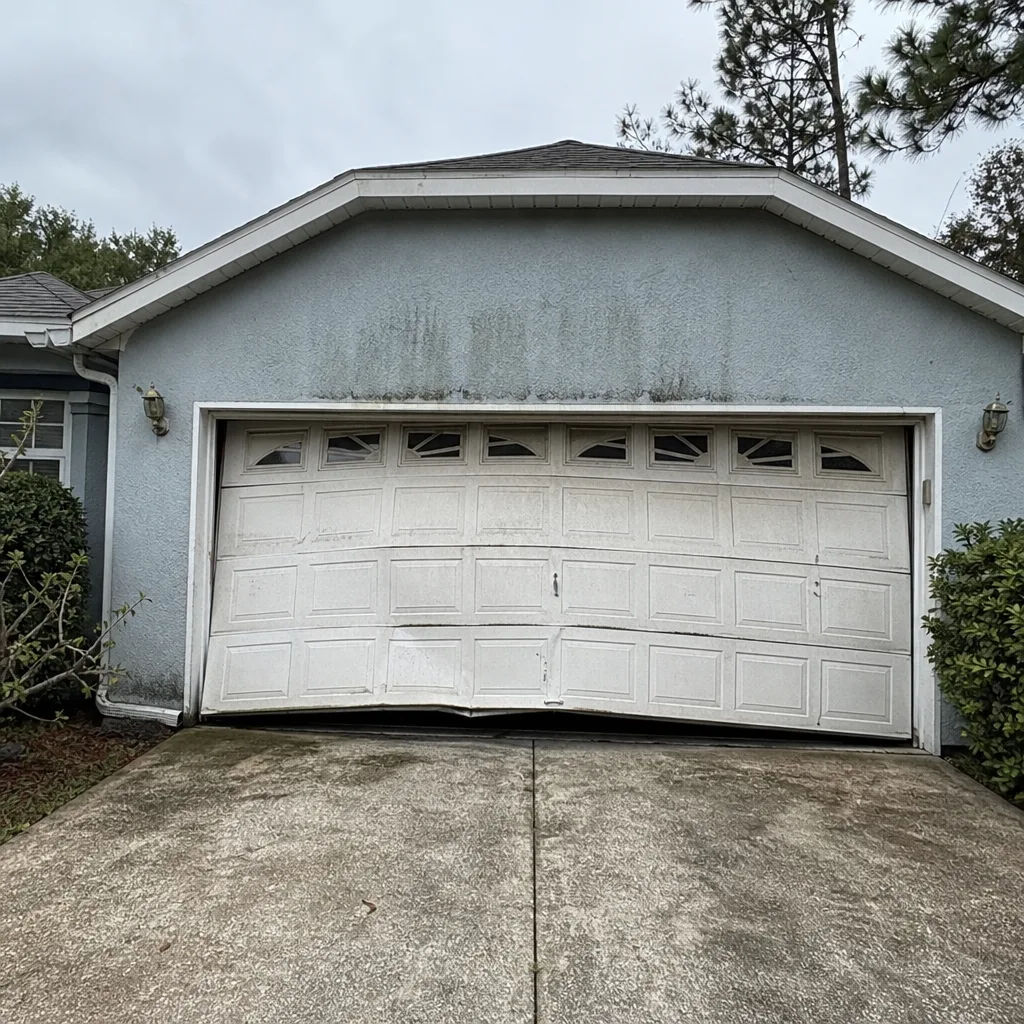 Before
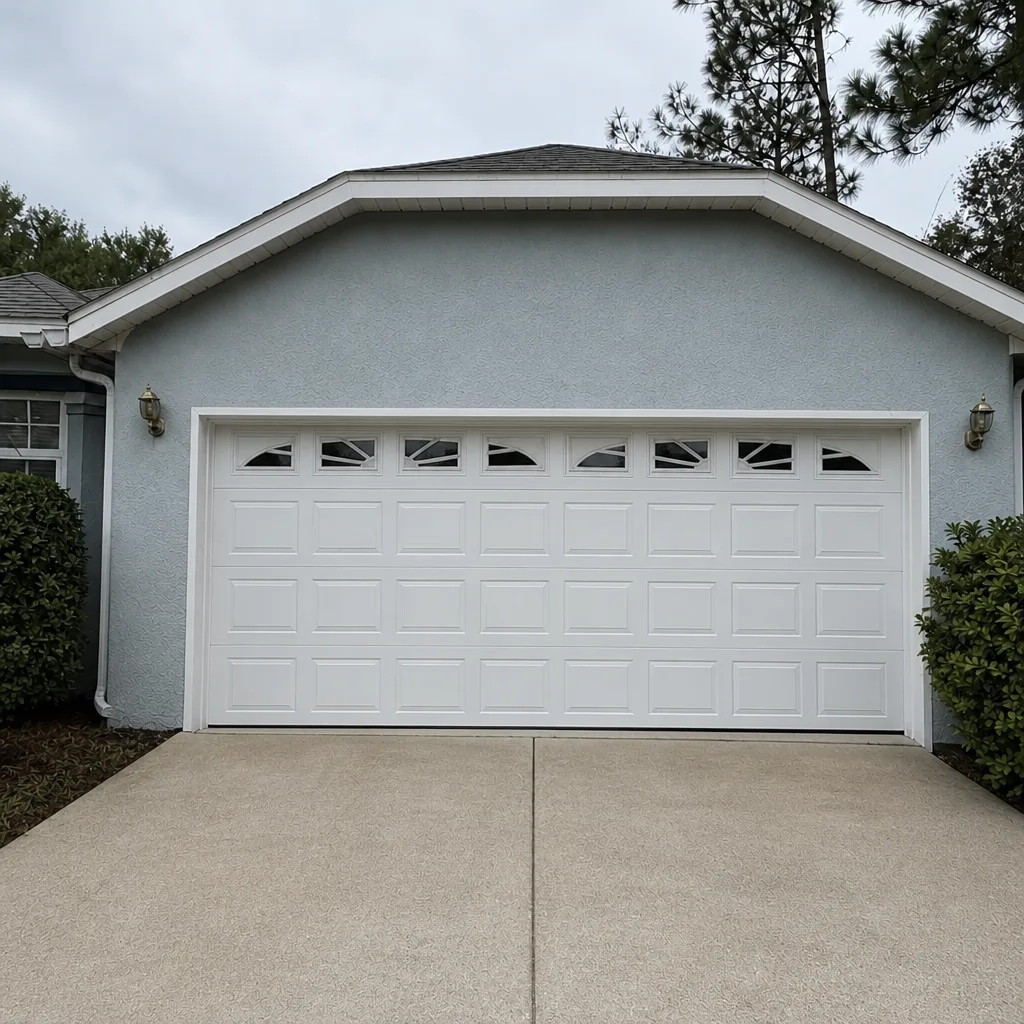 After
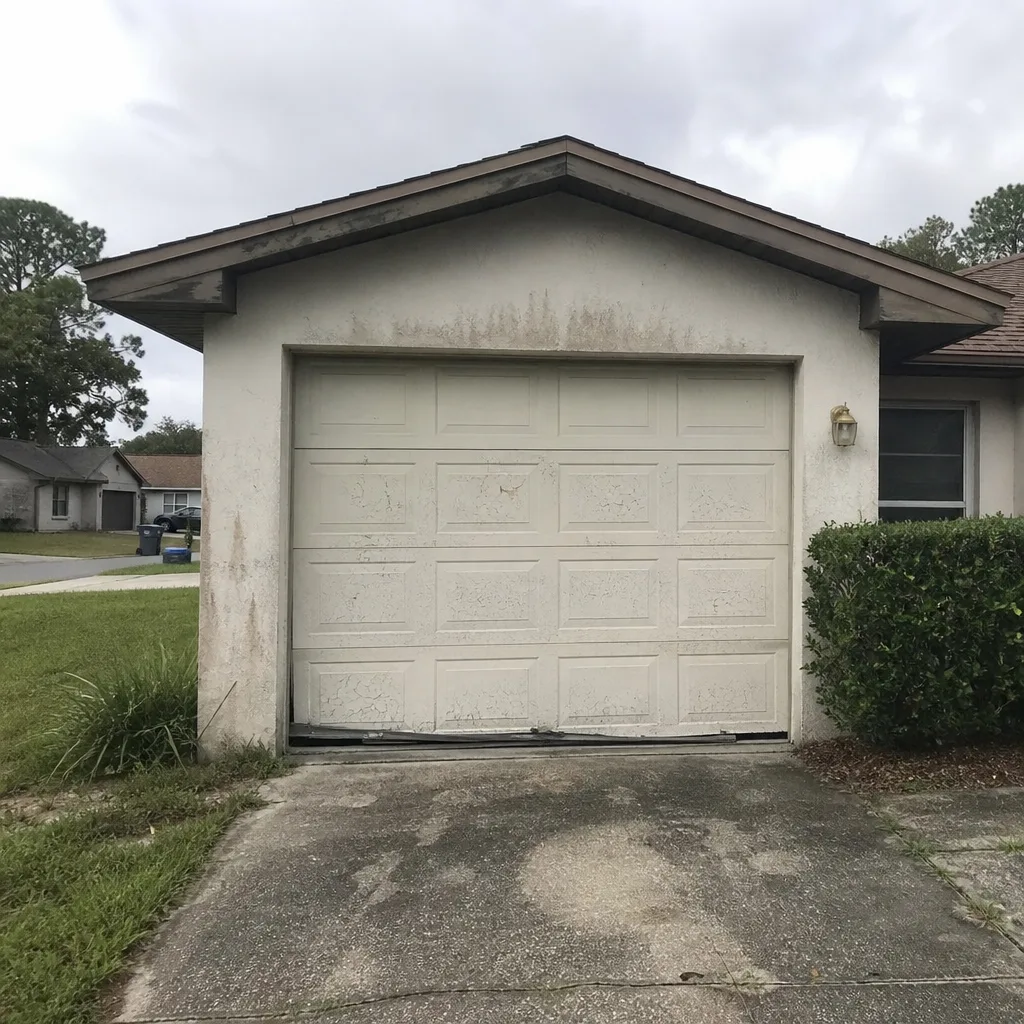 Before
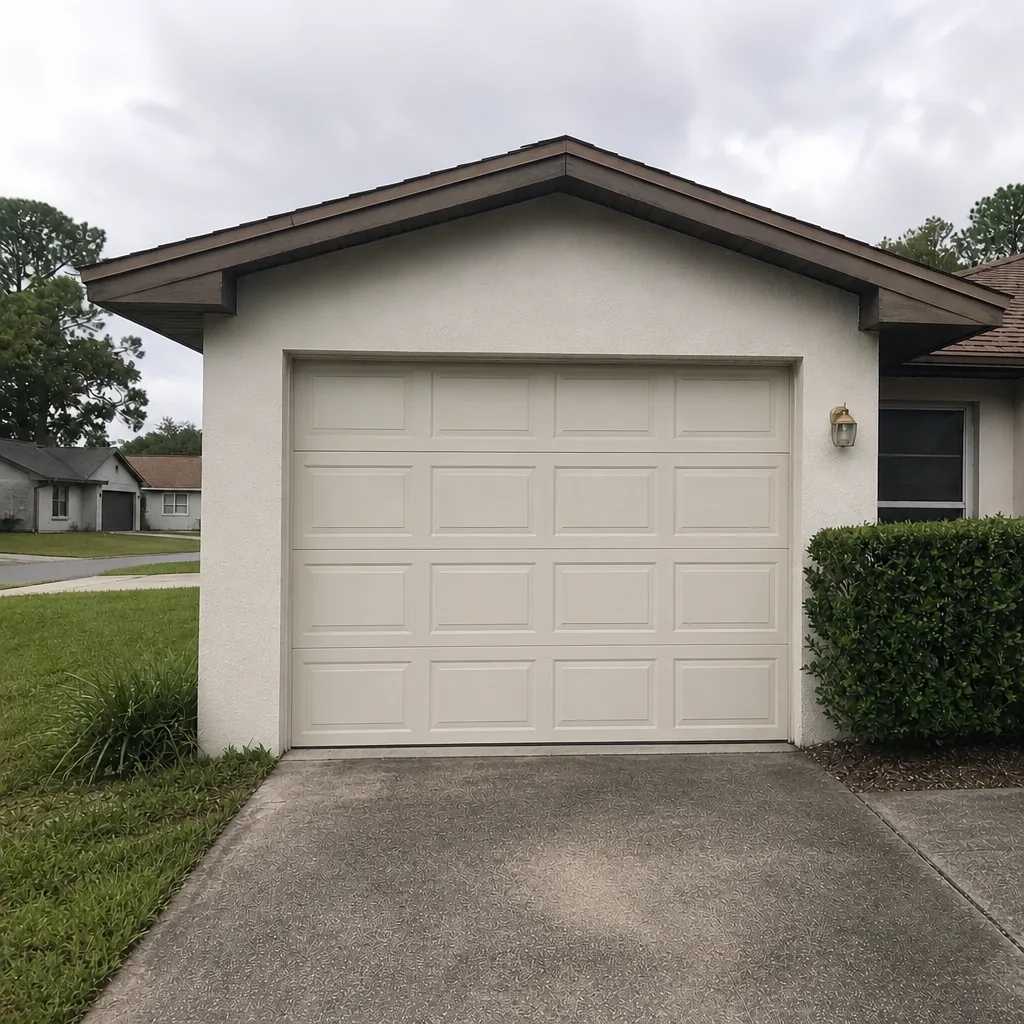 After
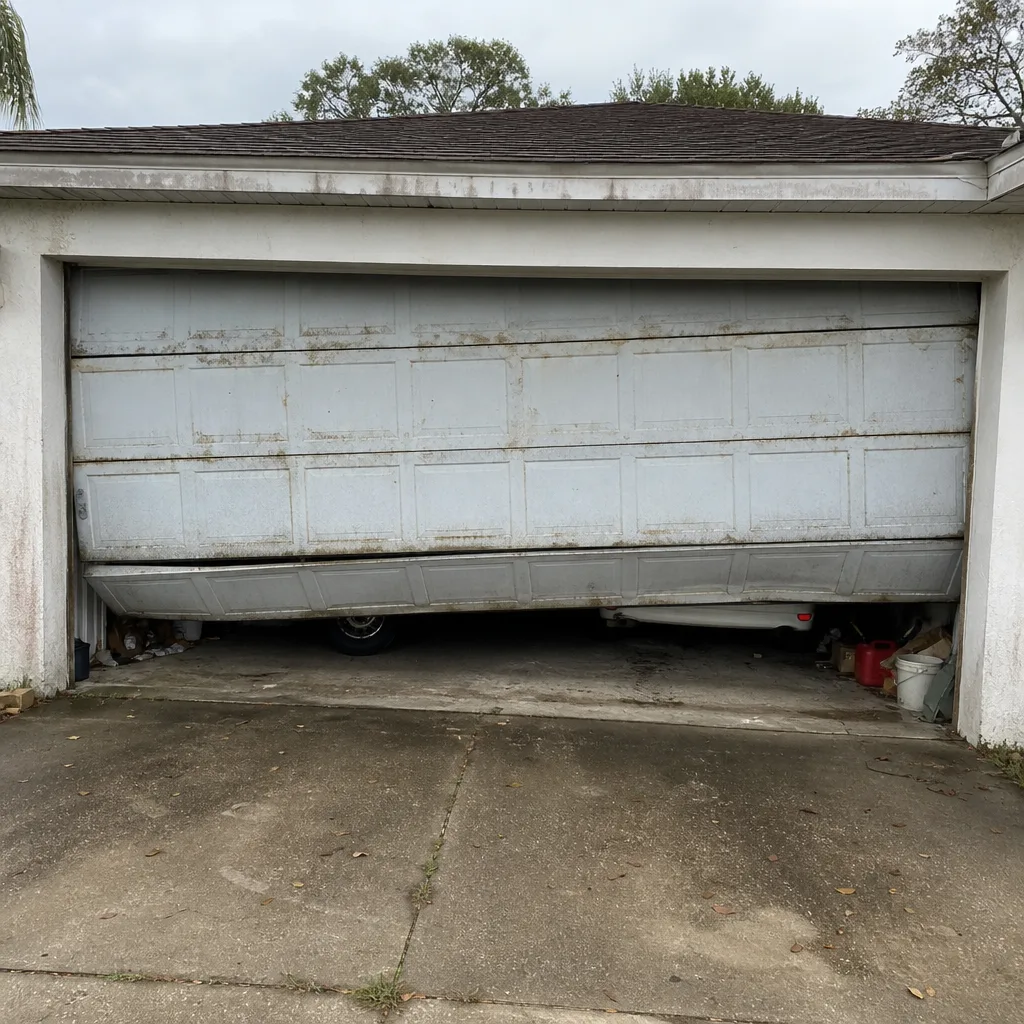 Before
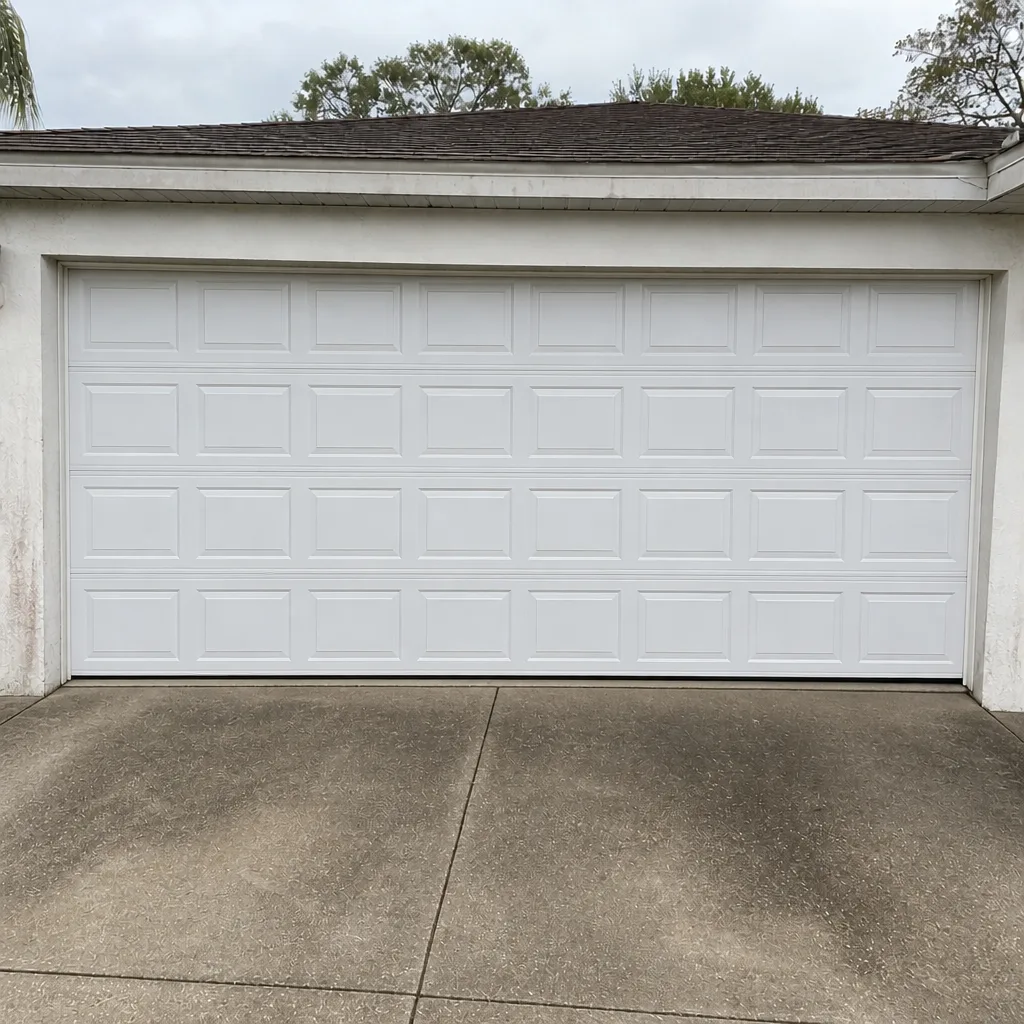 After
What a Typical Service Visit Involves
If you’ve never had a garage door technician out, the visit is usually more straightforward than homeowners expect. Here’s how it generally goes.
- Phone intake: We ask what the door is doing (won’t open, won’t close, loud, stuck, off-track), the brand if you know it, and how long it’s been happening. That helps us bring the right parts.
- On arrival: The technician operates the door, watches and listens, then checks the springs, cables, rollers, tracks, and opener separately.
- Written estimate: Before any work starts, you get a written price for the repair. The estimate is free, and the written price is what you pay. There are no surprises added later.
- Repair: Most repairs are done in a single visit. Spring replacements, opener component swaps, track adjustments, and roller changes are all same-day work.
- Test and walkthrough: The technician runs the door through several full cycles, checks the safety reverse, and shows you what was replaced and what to watch going forward.
If the issue turns out to be a larger replacement conversation, we’ll tell you that straight rather than piecing together a repair that won’t hold. Fast diagnosis, lasting fix, and a written price before anyone touches the door.
Common Mistakes to Avoid
- Running a door with a broken spring. A torsion spring under load holds significant force even after it snaps. Continuing to operate the door can damage the opener and, worse, cause injury. Stop using the door and call a technician.
- Ignoring a small gap at the floor. In Deltona’s shifting soil, a bottom-corner gap is often the first sign that the door frame is going out of square. Left alone, it grinds rollers and stresses the opener motor, turning a cheap adjustment into an expensive repair.
- Painting or refinishing a steel door without addressing scratches first. Rust starts at nicks and exposed edges, and paint over active rust won’t stop it. Prep the surface properly or have the door refinished correctly.
- Ordering a replacement door before checking HOA approval. A door that doesn’t match the community’s approved color or panel style is a door you can be told to remove. Get the approval in writing first.
- Buying a replacement opener without checking the door’s balance. A door that’s out of balance will burn out the new opener faster than the old one did. Balance the door first, then size the opener.
- Using a general handyman for spring or cable work. Garage door springs are a specialty component with real injury risk. A technician who works on garage doors every day is the only appropriate call.
- Skipping annual lubrication. A few minutes of proper lubrication once a year is the cheapest maintenance you can do, and it extends the life of rollers, hinges, and springs noticeably.
When to Call a Professional
Some garage door issues are obvious: a door that won’t open, an opener that clicks but doesn’t move, a panel that’s cracked, a cable that’s come off its drum. Others are subtle: a door that closes harder than it used to, a gap under one corner, an opener that pauses halfway. Both categories are worth a call, and the subtle ones are often the more important because they catch problems before they become bigger ones. Anything involving springs, cables, or the torsion bar belongs to a trained technician. That’s not a warning to be cautious about. It’s a real safety line, because those components are under high tension and can cause serious injury if handled without the right tools and knowledge.
Ardent Garage Door Repair offers free estimates in Deltona. Our technicians have up to 12 years of experience, we work on all eight major brands, and we cover repair, opener repair, and installation under one roof. Call (866) 611-8038. We answer 24/7. Fast dispatch from 7am to 7pm, Sunday through Friday.
Frequently Asked Questions
Once a year is the right baseline, plus any time you notice a new sound, a gap at the bottom corner, or a change in how the door moves. Deltona’s humidity and heat cycle door components harder than a cooler climate would, so annual lubrication and a hardware inspection pay for themselves in avoided repairs. Call (866) 611-8038 for a free estimate if it’s been more than a year since your last service.
Repair pricing in Deltona depends on the component. A spring replacement for one spring typically runs $180 to $340, and a matched pair is usually replaced together, so a pair runs about twice that. Rollers, hinges, and track adjustments are usually the least expensive repairs, and opener component repairs fall in the middle. Every price is set per job by a written estimate before work begins, and that written price is what you pay. Call (866) 611-8038 for an exact quote; estimates are free.
Most repair and opener calls in Deltona can be booked the same day. We answer 24/7, with fast dispatch from 7am to 7pm, Sunday through Friday. A call outside dispatch hours is booked into the next opening. Replacement and new installation work is measured, ordered, and scheduled rather than done same-day, so you get a free measure and a written price first. Call (866) 611-8038 to check today’s availability.
No. The written estimate sets the price before any work starts, and it doesn’t move afterward for the scope described in it. If we open up the door and find something different from what the estimate assumed, we stop and re-quote before doing anything else, so you decide whether to proceed. Free estimates and upfront pricing, every visit. Call (866) 611-8038 to schedule.
Yes. Our technicians are licensed and insured, which matters on a system with high-tension springs and heavy moving panels. Our technicians have up to 12 years of experience and work on all major brands. If your door needs service, call (866) 611-8038 for a free estimate.
At 15 years, it’s usually a cost comparison rather than a clear answer either way. If the door has had one or two major repairs and the panels are still solid, a repair is worth doing. If it’s had multiple repairs in a short window, or the panel seams are separating, replacement tends to be the better long-term spend. The best way to decide is a free estimate that checks the springs, panels, hardware, and opener together. Call (866) 611-8038 and we’ll walk you through it.
The Bottom Line
Deltona’s garage doors age on a shared clock, and the signs of wear show up in predictable order: rollers first, then springs, then the opener, then the panels. Catching each stage early keeps costs down and keeps the door safe. The local factors that matter most are the shifting clay and sand under your slab, the humidity and heat that wear seals and finishes, your community’s HOA color and panel rules, and the I-4 corridor wind zone requirements for hardware. If you know your door’s age and brand, you already know most of what you need. When it’s time for a repair, opener service, or a replacement measure, call a specialist rather than a generalist. That’s all we do. To get started, reach out to Ardent Garage Door Repair for a free estimate and a written price before any work begins.
Written by the team at Ardent Garage Door Repair.