
Last updated November 15, 2026
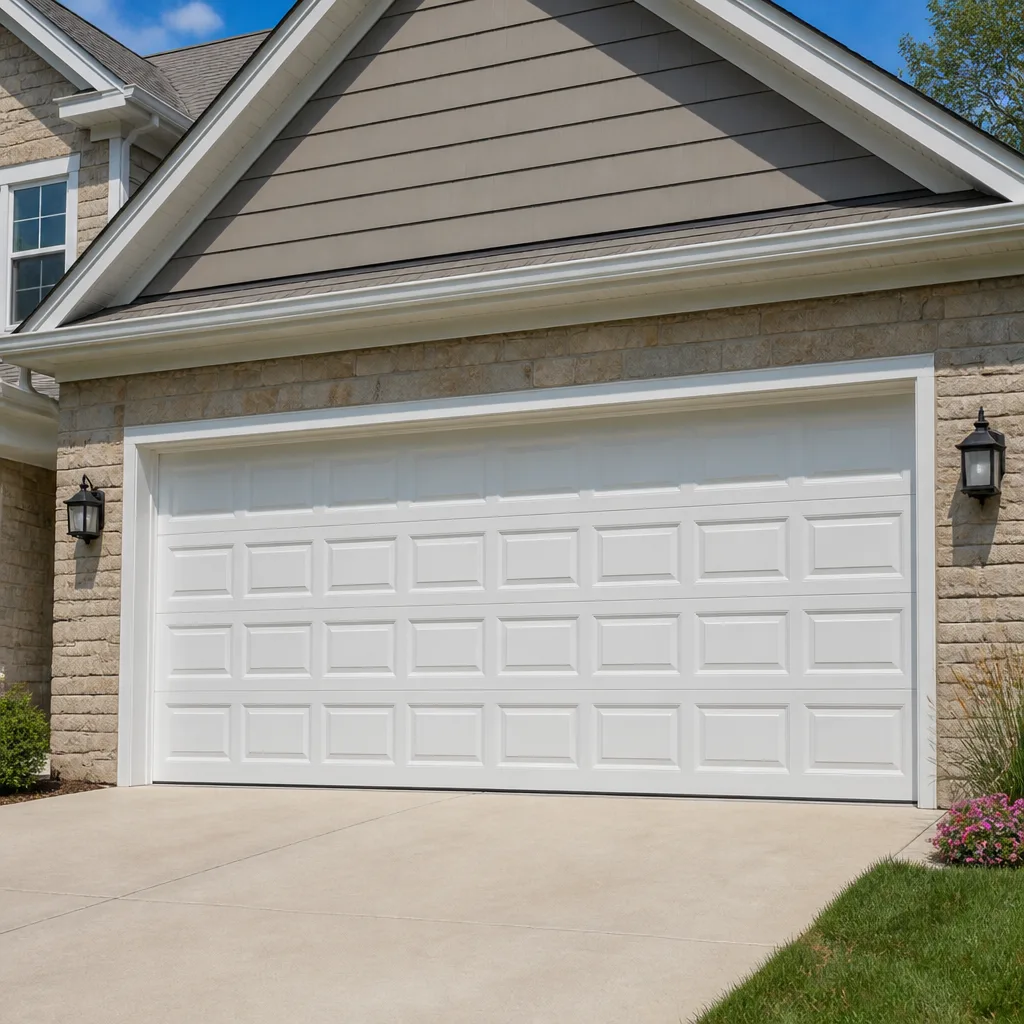 Raised-panel steel
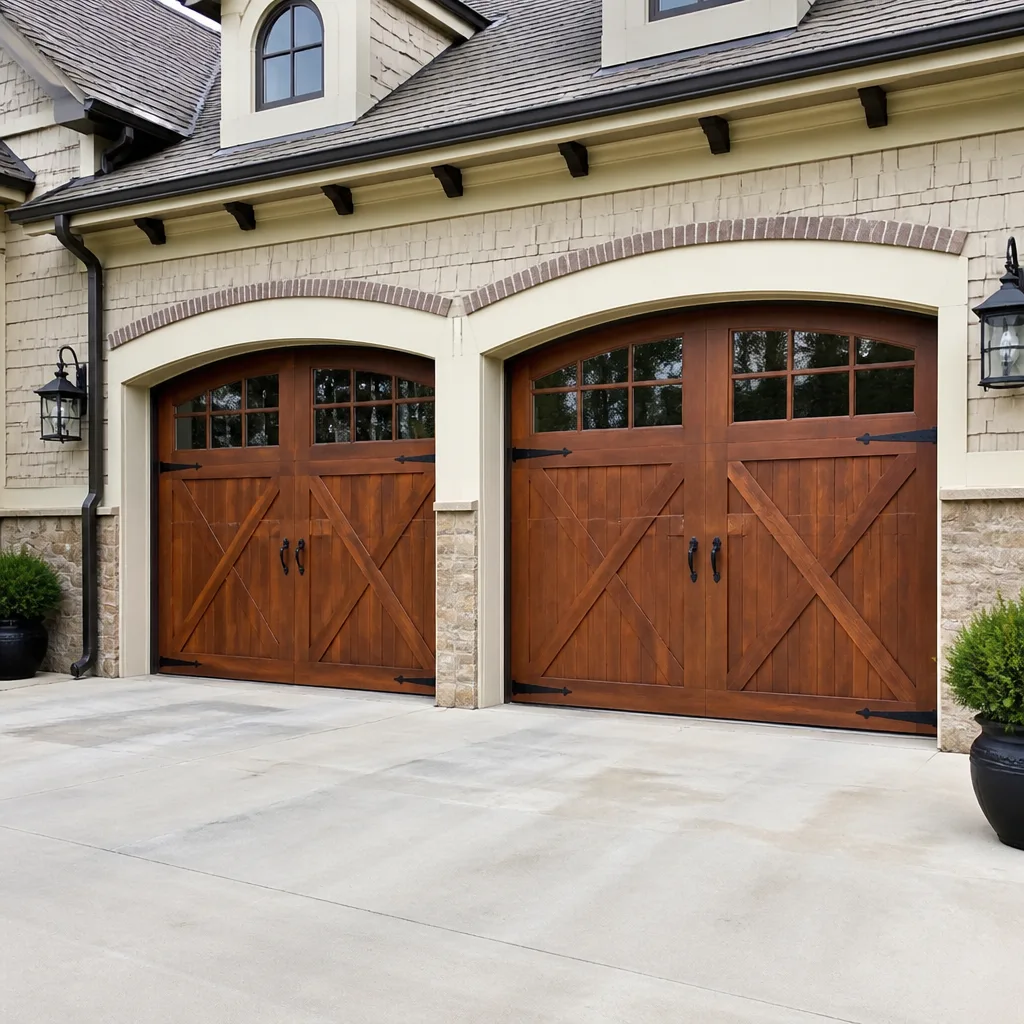 Carriage house
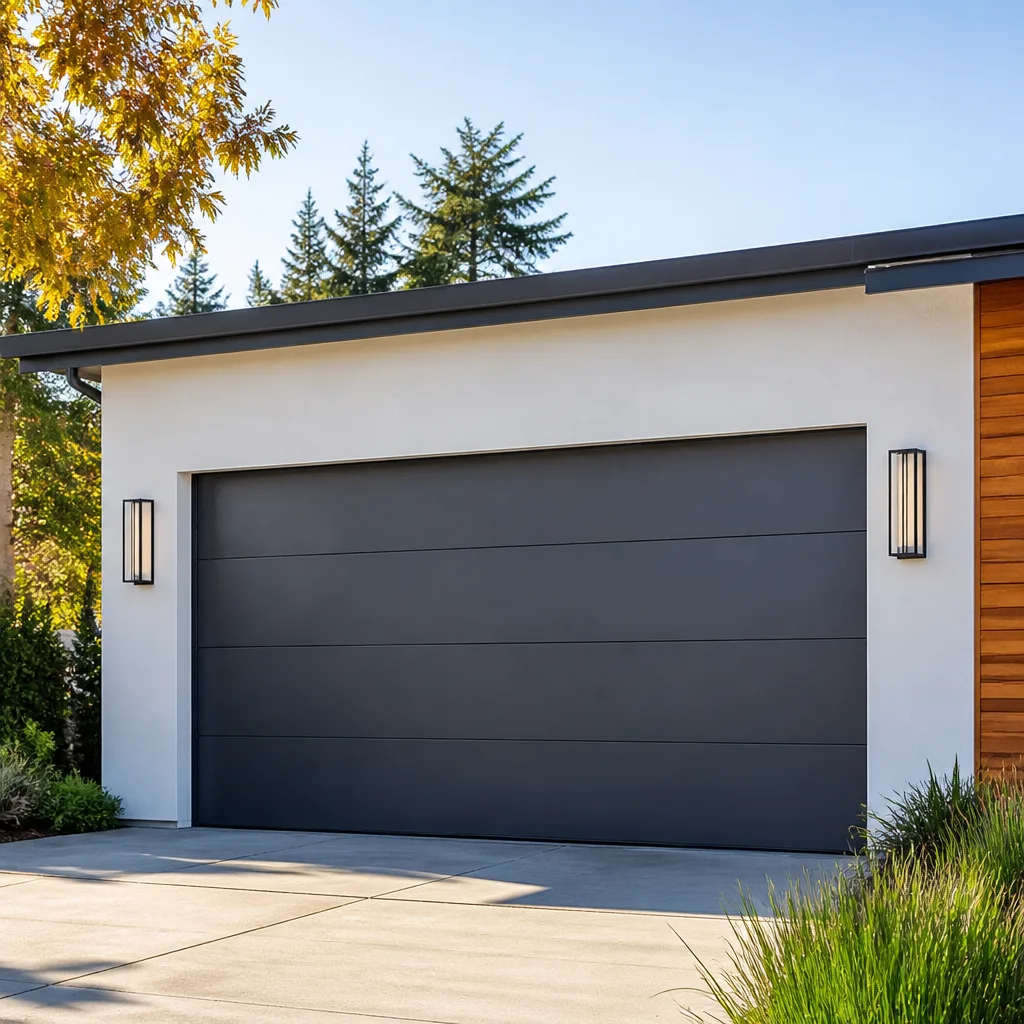 Modern flush
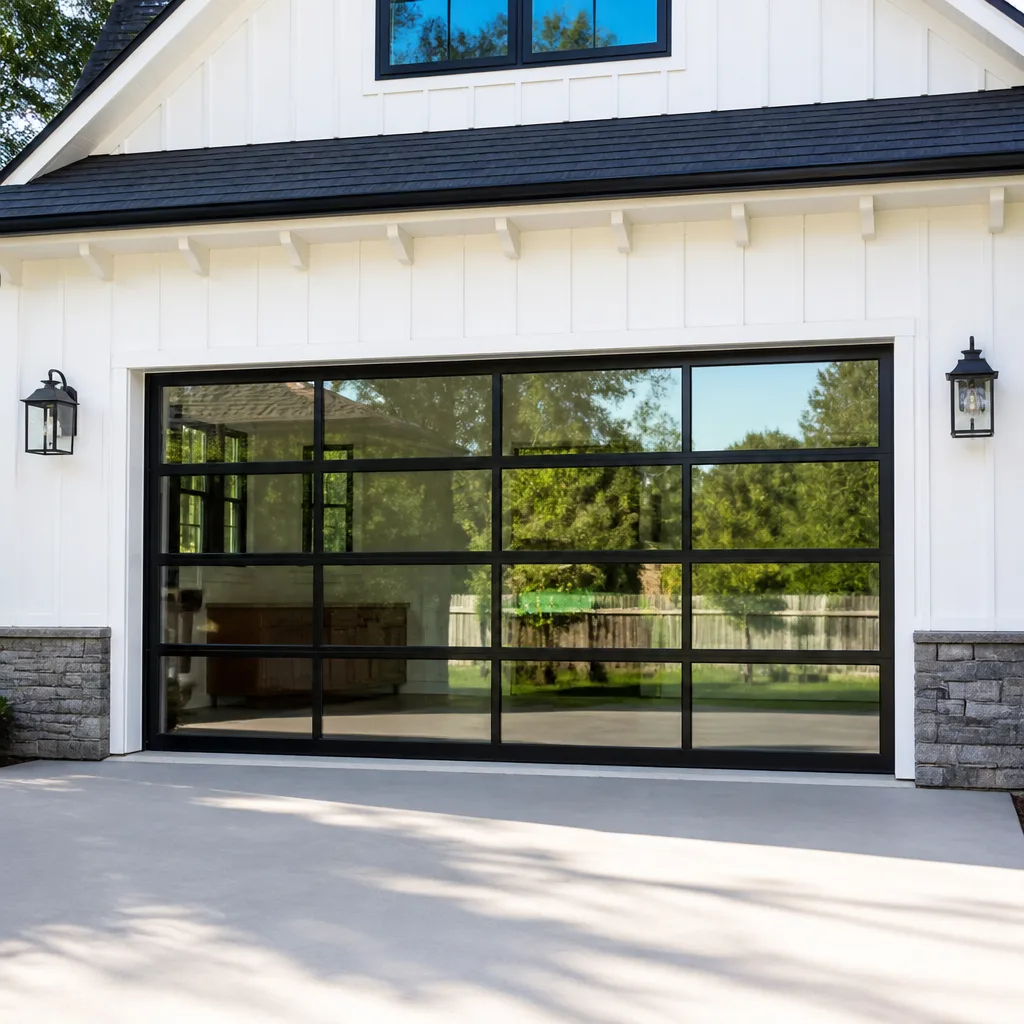 Full-view glass
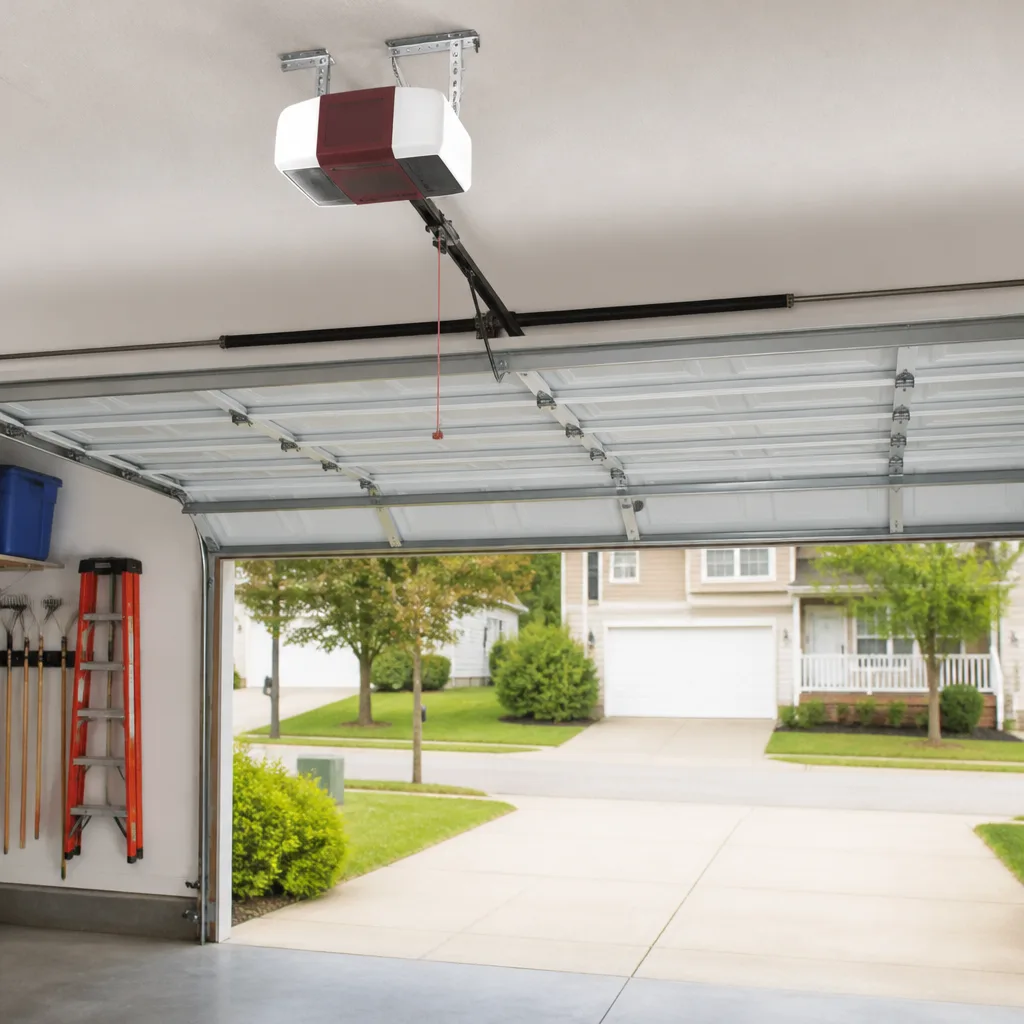 LiftMaster openers
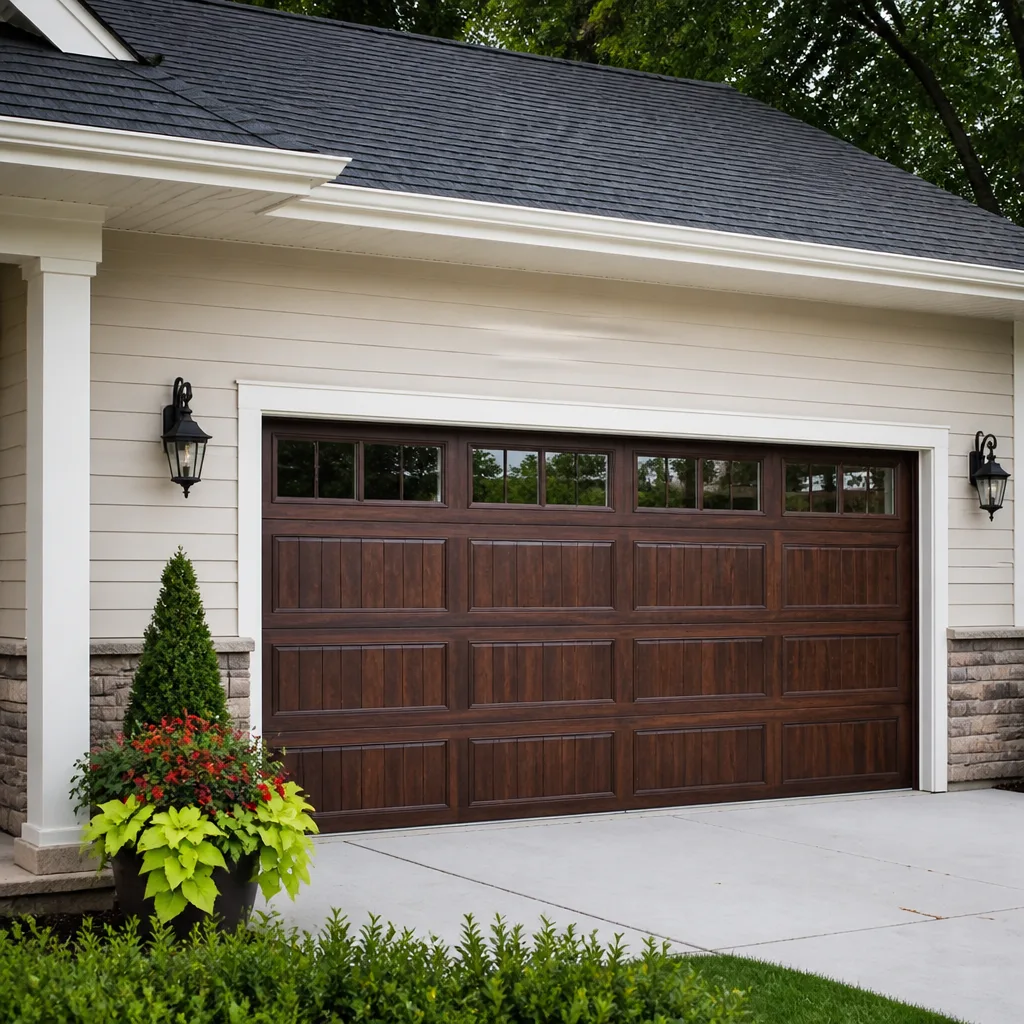 Chamberlain openers
Full 25-point door and opener safety check with every visit - springs, cables, rollers, tracks, and your LiftMaster or Chamberlain opener included
You get a price before we start. It does not change when the pro arrives.
Get your free estimateDIY vs Professional Garage Door: The Deltona Homeowner’s Decision Guide
Torsion springs store enough energy to cause permanent injury in under a second. That sounds like an argument for calling a professional for everything, but it isn’t. It’s an argument for knowing exactly where the line falls between work you can safely own and work that belongs with a trained technician – and that line is more specific than most guides admit. Plenty of garage door upkeep is well within reach for a careful homeowner. Some of it isn’t, and the gap between the two isn’t about confidence. It’s about stored mechanical energy, Florida permit rules, and how a small misstep can void the warranty on the door you already paid for. This guide walks through the tasks, the risks, and the honest questions to ask yourself before you pick up a wrench in Deltona.
Quick Answer
Most garage door maintenance – lubrication, safety sensor alignment, remote reprogramming, and weatherstrip replacement – is safe and sensible for a competent homeowner. Anything involving torsion springs, cables, or track realignment should go to a technician, because those components are under extreme tension and a mistake can injure you or damage the door. And in Florida, if a job needs a permit and your home isn’t owner-occupied, the homeowner exemption won’t cover the work, so rental and investment property owners legally need a licensed trade.
Styles & brands we work with
- Raised-panel steel
- Carriage house
- Modern flush
- Full-view glass
- LiftMaster openers
- Chamberlain openers
Table of Contents
- Where the Line Actually Falls
- Tasks a Competent Homeowner Can Safely Do
- Tasks That Require a Technician
- The Florida Permit and Rental Property Rule
- What a DIY Mistake Really Costs
- Honest Questions Before You Start
- How Maintenance Prevents Repair Calls
- Deltona Heat, Humidity, and Hardware Life
Where the Line Actually Falls
The garage door is the largest moving object in most homes, and it runs on a balance of forces most people never think about. A torsion spring holds the full weight of the door in tension so a small motor – or your arm – can lift it. That stored energy is what makes the spring the single most dangerous component on the entire system. It’s also why the DIY conversation needs to split by task rather than by “should I touch my door at all.”
Here’s the mental model we use. There are two categories of garage door work:
- Low-energy tasks: adjustments to sensors, remotes, rollers, hinges, weatherstripping, and lubrication. These deal with small parts, low forces, and nothing under stored tension. A careful homeowner can handle most of them.
- High-energy tasks: anything touching the torsion spring, the torsion tube, the cables, or the track geometry. These deal with hundreds of pounds of stored force. A single slip can send a cable whipping or a spring unwinding with enough energy to break bone.
The mistake most guides make is treating the whole door as one scary object. It isn’t. It’s a system, and different parts carry very different risk. Once you see the split, the decision gets simpler. If the task only involves a sensor, a battery, or a rubber seal, you can almost certainly do it. If the task requires you to loosen a cable, adjust a spring, or bend a track back into line, it doesn’t belong in the DIY column – no matter how many videos you’ve watched. Homeowners across Deltona ask us where that boundary sits, and it usually comes down to one question: is anything under tension?
Tasks a Competent Homeowner Can Safely Do
The safest DIY garage door work is all about low-force adjustments and routine upkeep. None of these tasks require you to touch a spring, a cable, or a track under load, and each one can be handled with basic household tools. If you’re comfortable on a step ladder and can follow written instructions, these are yours to own.
- Lubricate the moving parts. Rollers, hinges, and the torsion tube benefit from a garage-door-specific lubricant a couple of times a year. Avoid greasing the tracks themselves – that attracts grit and gums up the rollers. A dry silicone spray or a purpose-made door lubricant works well.
- Align the safety sensors. The two small lenses at the bottom of the track need a clear line of sight to each other. If the door reverses for no obvious reason, check for a bumped sensor, a cobweb, or a leaf blocking the beam before you assume the opener has failed.
- Reprogram remotes and keypads. New remote, dead battery, or a neighbor’s opener interfering with yours – reprogramming is a five-minute job with the manual and the learn button on the opener housing.
- Replace the bottom weather seal. The rubber seal along the bottom of the door is a wear item, and in Florida’s humidity it’s often the first thing to crack. A fresh seal keeps rain, insects, and hot air out, and it’s a straightforward swap on most doors.
- Test the auto-reverse. Once a month, place a roll of paper towels in the door’s path and confirm the door reverses on contact. It’s the single most important safety check you can do, and it takes ten seconds.
- Tighten visible bolts and hinges. Vibration loosens hardware over time. Check the hinge plates and roller brackets for snugness without over-torquing.
If you’re not sure whether your door is a candidate for a simple swap (weatherstrip sizes vary by door style, and the fit on a Clopay or Amarr panel door is different from a Wayne Dalton model), a quick photo of the bottom seal to a technician beats a return trip to the hardware store. That kind of question is worth asking before you buy parts, not after.
Tasks That Require a Technician
The tasks below involve stored tension, precise geometry, or both. They aren’t “hard” in the sense of requiring unusual strength – they’re dangerous in the sense that a small mistake releases a large amount of energy in an unpredictable direction. A trained technician knows how to wind down a spring safely, how to use the correct winding bars, and how to keep their body out of the release path. That’s not something to learn on your own door.
- Torsion spring replacement. The spring above the door holds the door’s full weight. Replacing it means winding a new spring to a specific tension – too little and the door won’t lift, too much and the spring can fail catastrophically. There’s no safe improvisation here.
- Extension spring replacement. Older doors use extension springs along the tracks. They fail differently from torsion springs but carry similar stored force, and they need to be treated with the same respect.
- Cable replacement or adjustment. A snapped or slipped cable lets the door drop unevenly, and the cable under tension can whip. This is a technician job every time.
- Track realignment. A bent track looks like a simple fix, but track geometry has to be precise or the door will bind, strain the opener, and wear the rollers unevenly. Moving a track is also heavier and more awkward than it looks.
- Panel replacement on a modern insulated door. Panels on a Clopay or Amarr door are engineered as part of a system. Swapping one can void the manufacturer’s warranty if the panel isn’t the correct match, and the panel itself can weigh more than a homeowner expects.
- Opener motor or logic board replacement. Diagnosing a failed Genie or LiftMaster unit is one thing. Replacing a motor or board on a ceiling-mounted unit, with the rail alignment that follows, is another.
If your door is stuck halfway, making a grinding noise, hanging crooked, or refusing to open at all, that’s the moment to stop and call. Our garage door repair work starts with a diagnostic, so you know exactly what’s wrong before anyone touches a spring.
The Florida Permit and Rental Property Rule
Here’s a piece of Florida-specific context most DIY guides skip entirely. When a garage door job requires a building permit, the homeowner exemption – the part of Florida law that lets a homeowner do their own permitted work without a contractor’s license – only applies to a home the owner occupies. If the property is a rental or an investment unit, the owner generally can’t perform permitted work under that exemption, even on their own property.
What does that mean in practice? Several things:
- Confirm whether your job needs a permit. Permit requirements vary by scope, and the safest way to know is to call the city’s building department directly. A like-for-like spring replacement is usually not a permitted job; a replacement door or significant structural work often is. Don’t guess – a five-minute phone call settles it.
- Check your occupancy status. If you rent out your property – and a lot of Deltona homes are rentals or second homes – the homeowner exemption doesn’t cover permitted work. A licensed trade needs to do it, and that’s not a technicality. It’s a liability issue for you as the owner.
- Keep the paperwork. Whether it’s a permit, an inspection signoff, or a warranty registration, save it. If you sell the home, a buyer’s inspector will ask whether the door was replaced and how it was permitted.
- Understand what permit non-compliance costs you. If the work turns out to need a permit and didn’t get one, you may be asked to open walls or remove work to allow an inspection, and some insurance policies take a dim view of unpermitted modifications. The cost isn’t just the redo. It’s the delay and the paperwork.
When in doubt, ask. The City of Deltona building department can tell you whether your specific scope needs a permit, and it’s the only reliable answer. A licensed installation team will know how to handle the permit side, so you don’t have to.
What a DIY Mistake Really Costs
The obvious cost of a DIY mistake is the repair bill. The less obvious costs are usually bigger. When a homeowner tries a torsion spring replacement and the spring unwinds unexpectedly, the damage can involve the door itself, the opener, the tracks, and – most importantly – the person doing the work. That’s a hard stop.
Beyond injury, here’s what we see happen most often when DIY goes beyond the safe line:
- Voided manufacturer warranty. Modern doors from Clopay, Amarr, Wayne Dalton, and most other major brands carry warranties that assume professional installation or repair for certain components. Improper work can void the warranty on the door you paid for – and a warranty voided on a door you just bought is a lot more expensive than the repair you tried to save money on.
- Permit non-compliance. If the work required a permit and didn’t have one, you can end up in a correction cycle. That can mean removing panels to allow inspection, resubmitting paperwork, and waiting for signoff before the job is truly done.
- Secondary damage. A misaligned track doesn’t just stick. It puts uneven strain on rollers, hinges, and the opener rail, and that wears those parts out early. A $40 track adjustment done wrong can turn into a $400 roller and hinge replacement done right.
- Insurance complications. If someone is injured during a DIY repair, standard homeowners insurance often responds differently to injuries on the property than it does to injuries on a jobsite covered by a contractor’s policy. A licensed, bonded, and insured technician brings protections you don’t have when you’re alone on a ladder.
- The lost weekend. Rebuilding a door from a YouTube video, buying the wrong parts, returning them, and starting over is a weekend you don’t get back. A technician does the job in the time it takes you to find the right video.
The math usually flips in the pro column the moment the job involves a spring or a cable. On the safe list – sensors, weatherstrip, lubrication, remotes – DIY genuinely saves money and gives you a better feel for your door. That’s not a sales line. It’s just the honest split.
Honest Questions Before You Start
Before you decide a task is yours to take on, run through this list honestly. Not everyone needs to be a mechanic. Not everyone should be. The right call depends on your tools, your body, and your baseline experience.
- Do I have the right tools? Basic garage door maintenance needs a socket set, a screwdriver set, a step ladder, and a light source. Spring work needs specialized winding bars and a tension gauge – tools you’d use once and never again. If you’re buying a tool for a one-time job, that’s a signal.
- Can I physically handle the weight and the ladder? A garage door panel can weigh as much as an adult. Ladder work overhead is more demanding than it looks, especially on a hot Deltona afternoon. If your balance or grip isn’t what it was, or if you’re working alone, that changes the risk calculus for every task above ground level.
- Do I know how the system works well enough to spot trouble? The more you understand the mechanics, the safer your maintenance choices become. If you can’t identify a torsion spring versus an extension spring, spend an hour learning before you touch anything.
- Am I comfortable stopping mid-job? Some of the most expensive DIY outcomes start with a homeowner who realized halfway through that the task was bigger than expected but pushed ahead anyway. If you’re not prepared to stop, put the tools down and call.
- Is the door on a rental or investment property? As covered earlier, the Florida homeowner exemption only applies to a home you occupy. If it doesn’t apply, the answer is straightforward – hire a licensed trade and save yourself the permit headache.
- Am I willing to accept the warranty risk? Read the manufacturer’s warranty for your door. If it requires professional service for the repair you’re about to attempt, that’s a strong argument for scheduling it.
If you can answer all six honestly and the task still sits on the safe list, go for it. If any question gives you pause, that pause is information. For the tasks on the safe list, we’re happy to answer a quick question – often that’s all it takes to keep a homeowner on the easy side of the line.
How Maintenance Prevents Repair Calls
The best way to reduce the number of times you need a professional repair is regular, simple upkeep. None of the tasks below require a technician, and each one meaningfully extends the life of the parts that wear out fastest. In our experience, a door that gets this routine every few months simply breaks down less often than one that doesn’t.
- Lubricate twice a year. Rollers, hinges, and the torsion tube. This alone reduces wear on the parts most likely to fail.
- Test the auto-reverse monthly. Ten seconds of your time, and it’s the single most important safety check on the system.
- Wipe down the safety sensors. Dust, cobwebs, and pollen block the beam. A soft cloth fixes most “random reversing” complaints.
- Check the balance of the door. Disconnect the opener (pull the release cord), lift the door halfway, and let go. A balanced door should stay put. If it drifts down or shoots up, the springs are out of balance – that’s a call-us situation, not a DIY fix.
- Inspect the weather seal. Replace the bottom seal the moment it cracks or stops sealing. Water intrusion around a garage door invites mold and insect problems, which are common headaches in Florida homes.
- Listen for changes. A door that sounds different this week than last week is telling you something. Grinding, popping, or a new rattle is the earliest warning you’ll get.
Our technicians have up to 12 years of experience with doors across the full lineup – from a Genie-equipped basic steel door to a fully insulated Clopay or Amarr model. We’ve seen how quickly the maintenance routine pays for itself. If you’re told “your springs are shot” by someone who hasn’t tested the balance of the door, get a second opinion.
Deltona Heat, Humidity, and Hardware Life
A garage in Deltona lives a different life from a garage in a cooler climate. Between the summer heat and the year-round humidity, the parts that wear out on a Florida door wear differently than the same parts in a drier climate. The heat alone matters. A garage can soak up significant heat through the day, and that constant thermal cycling stresses metal parts and coatings over time. Humidity does its own work on steel hinges, springs, and rollers, which is why lubrication schedules matter more here than in drier parts of the country.
Here’s what that means for the DIY-versus-pro question:
- Maintenance intervals shorten. A door that gets lubricated twice a year in a milder climate might benefit from three passes a year here. It’s cheap insurance against premature wear on parts you don’t want to replace.
- Steel parts need more attention. Hinges, rollers, and the torsion tube benefit from a light protective layer of the right lubricant. Skip the WD-40 on the tracks – that’s the wrong tool for this job.
- Wood and steel doors age differently here. If you have a wood-composite door, watch for warping in the summer; steel doors are more stable but can see finish wear faster with high sun exposure.
- Weather seals fail faster. Rubber and vinyl seals crack sooner in heat. That’s actually good news for the DIY homeowner – the most frequent repair need is also the safest one to handle yourself.
Neighborhoods like Deltona’s Deltona Lakes, Saxon Ridge, and Arbor Ridge see the same pattern: a door that gets basic upkeep lasts years longer than a neglected one, but every door eventually needs a professional service call. The trick is making that call for the right reasons, not after a small problem became a big one.
Common Mistakes to Avoid
- Attempting torsion spring work without the right tools. A spring under tension isn’t a one-person job with improvised tools. Two people using the wrong bars is worse than one person using the right ones – and neither of you should be there without professional training.
- Oiling the tracks. This is the most common DIY mistake we hear about. Oil on the tracks attracts grit and debris, which grinds into the rollers and wears the whole system faster. Lubricate the rollers and hinges instead.
- Assuming the opener is broken when it’s the door. If a door is binding or out of balance, the opener has been fighting it – and the opener usually takes the blame. A technician diagnoses the system before replacing the motor.
- Buying parts from a big-box store sight-unseen. Garage door hardware is specific. A roller that fits one model won’t fit another, and the wrong weatherstrip for a Wayne Dalton panel door leaves gaps. Match the part to the door, not the shelf.
- Ignoring the permit question on a rental property. If the property is tenant-occupied, the homeowner exemption on permitted garage door work usually doesn’t apply in Florida. Skipping the permit step can create a problem at sale and a headache at insurance renewal.
- Restoring dead springs with a remote reset. Remotes don’t fix springs. If the door reverses immediately or won’t lift, the problem isn’t the remote – it’s the balance of the door, and that’s a call-us diagnosis.
- Skipping a post-repair balance check. After any repair or adjustment, the door should be tested for balance and auto-reverse before it’s used again. A door in balance saves the opener and protects everyone in the household.
See the difference
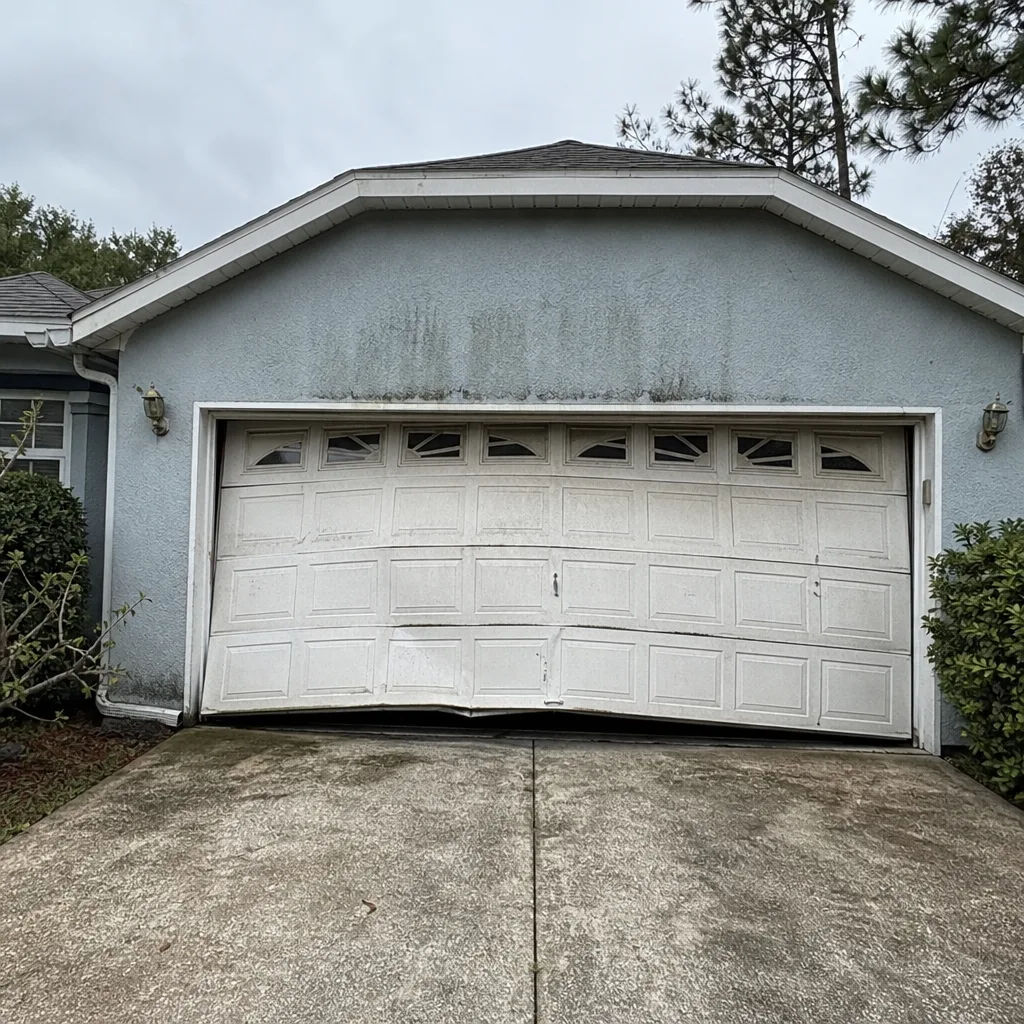 Before
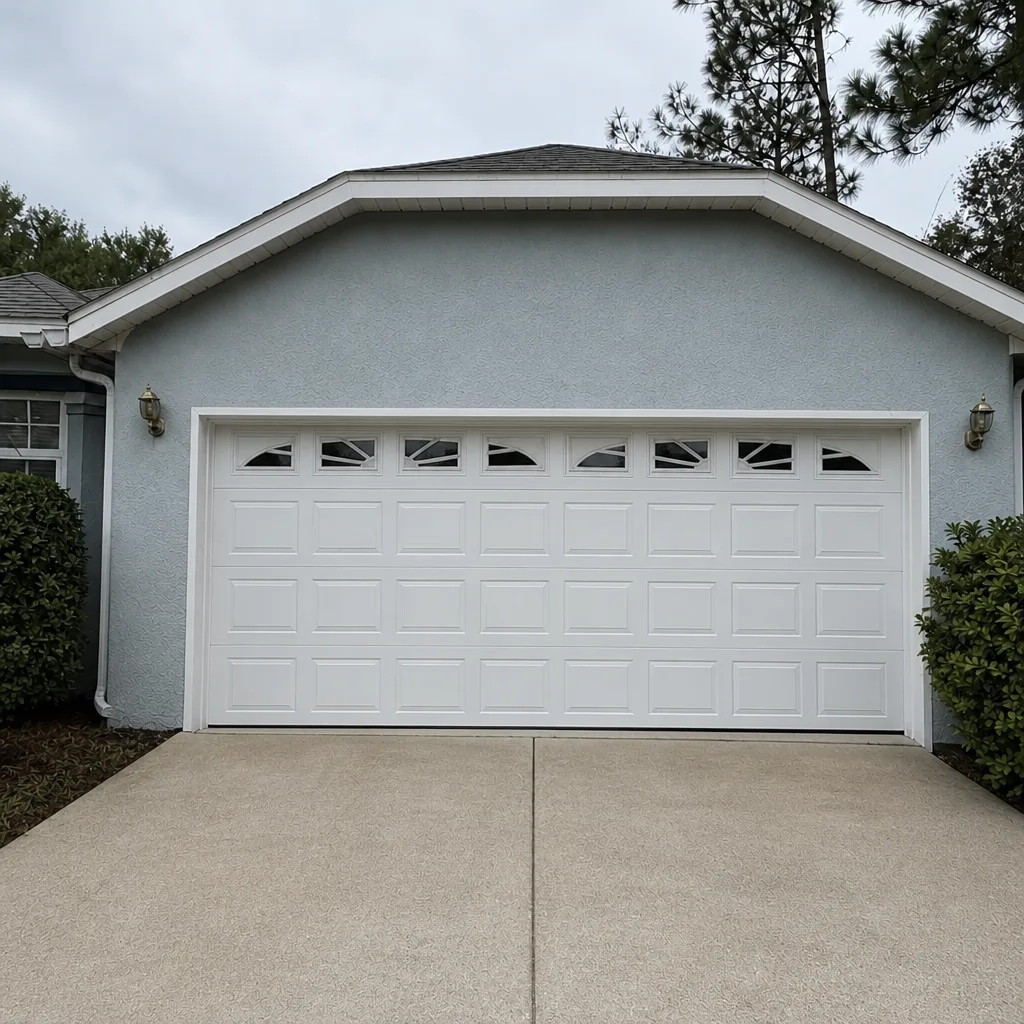 After
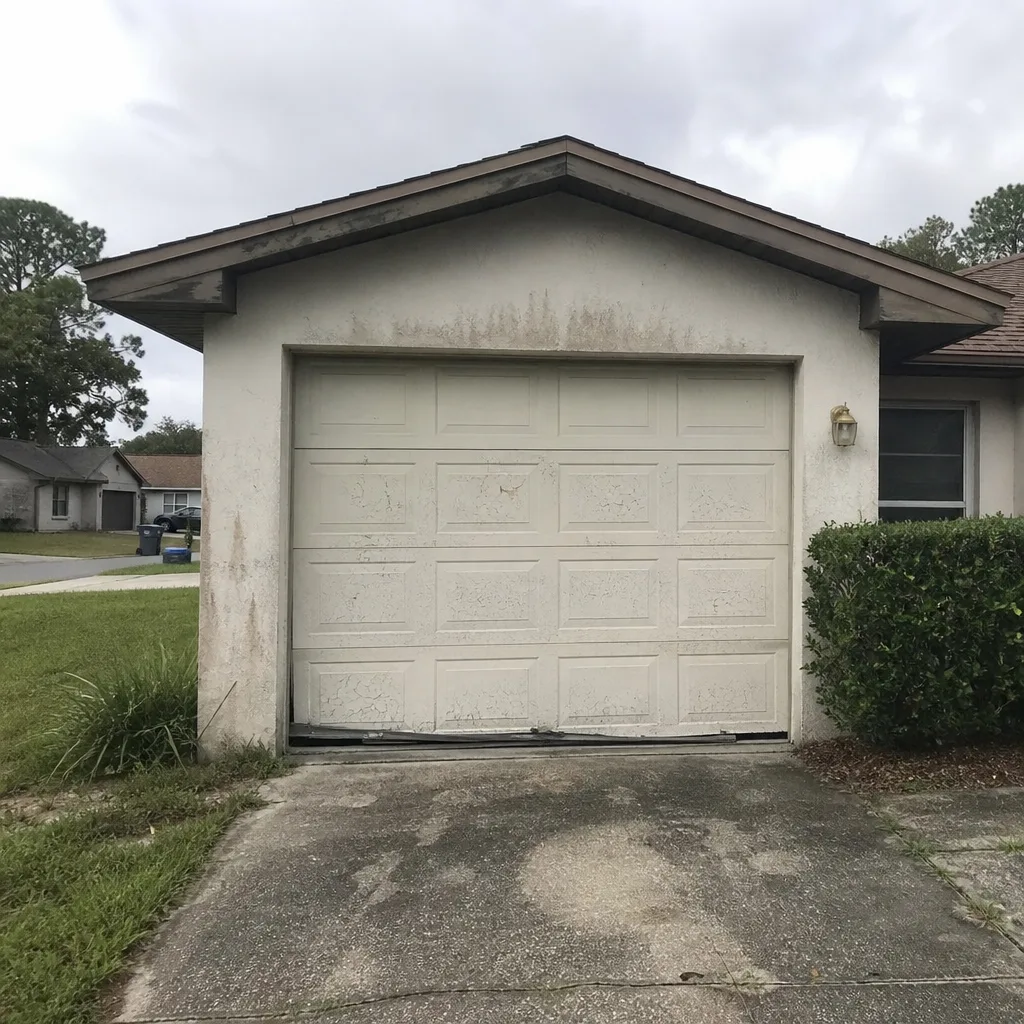 Before
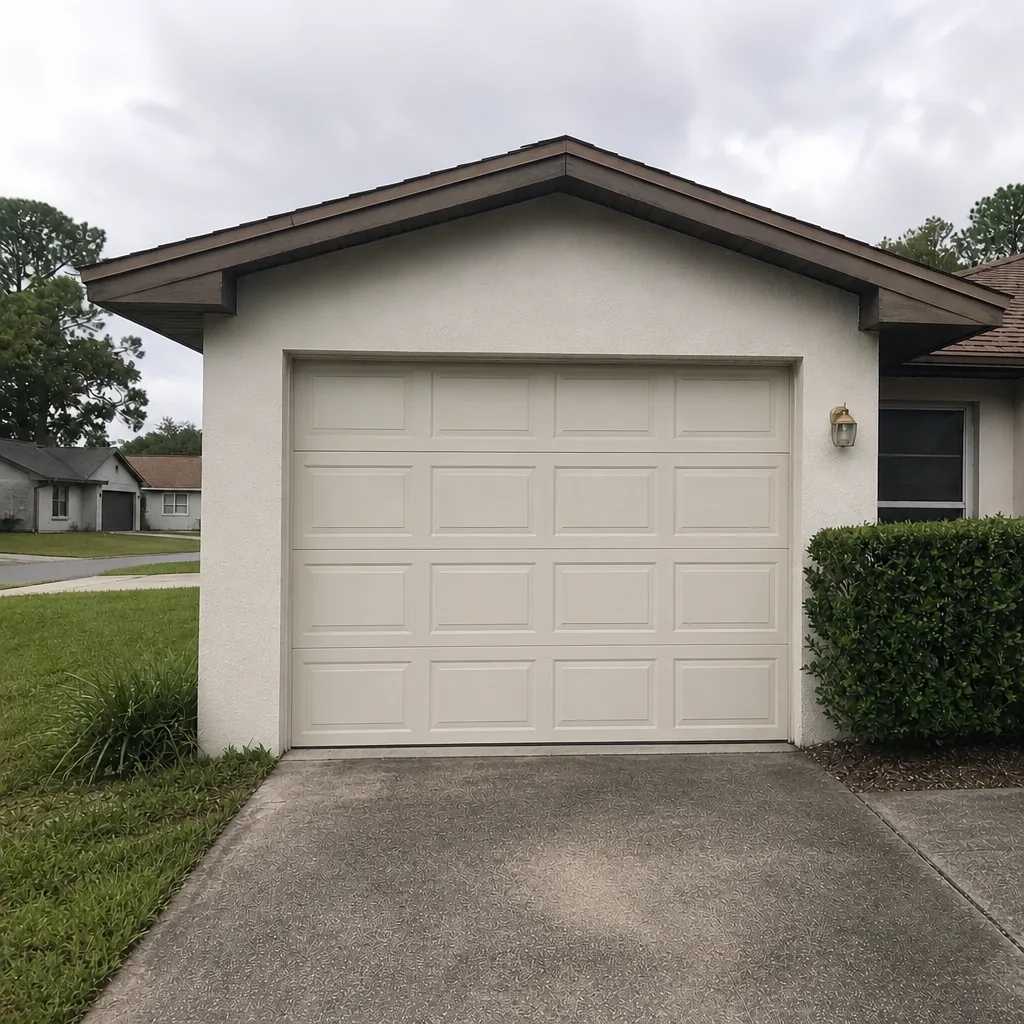 After
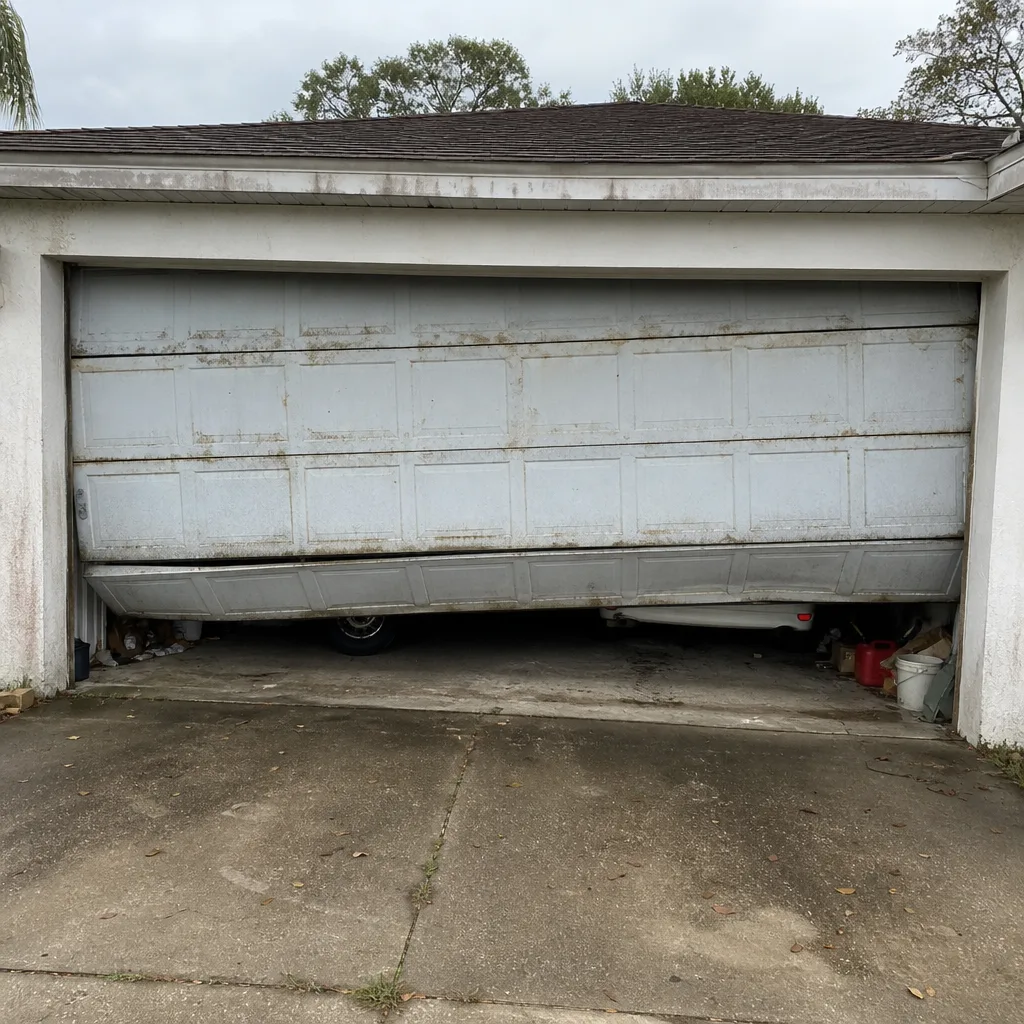 Before
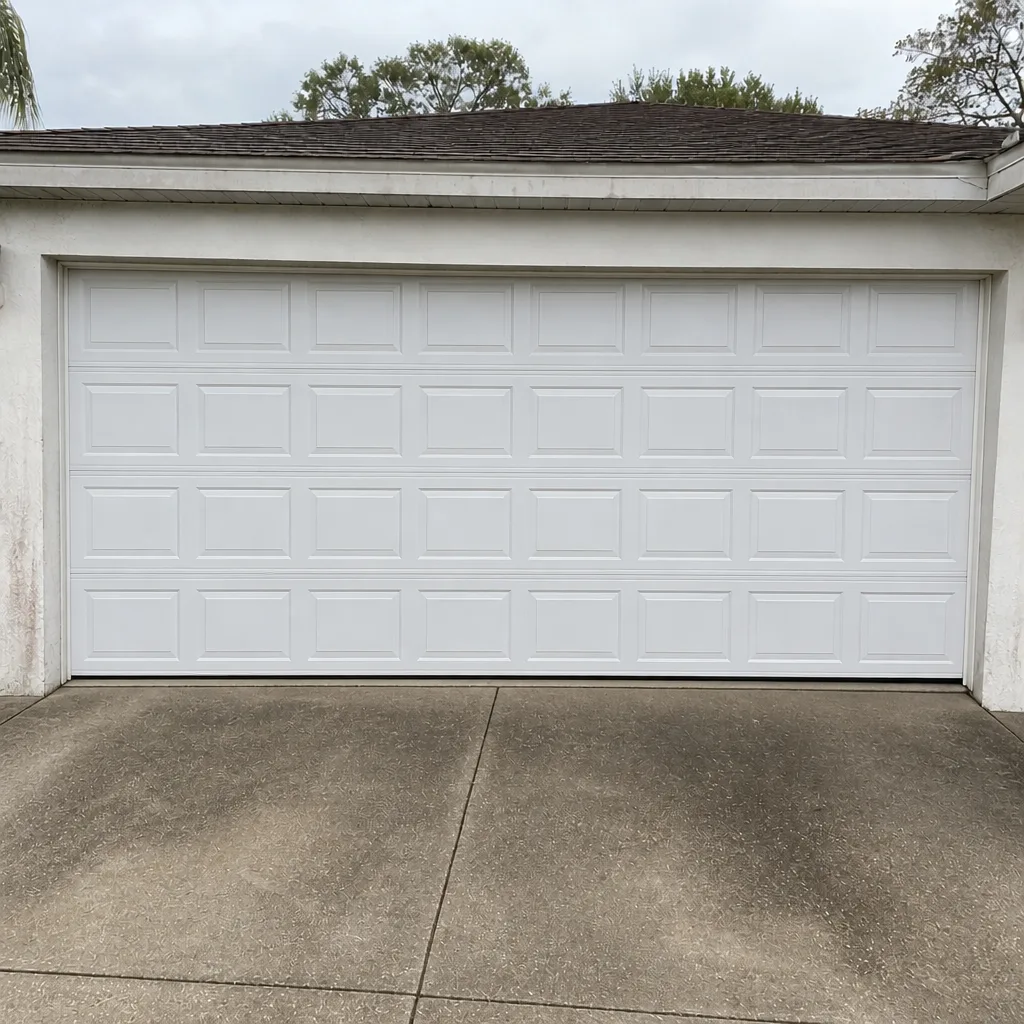 After
When to Call a Professional
Call a professional when anything below the safe maintenace line is involved: a snapped spring, a cable off its drum, a door off the track, an opener that runs but doesn’t lift, a door hanging crooked, or a panel that needs replacement on a modern insulated model. Call us as well if you’re uncertain whether your job needs a permit – especially on a rental property, where the Florida homeowner exemption doesn’t apply. And call whenever the door sounds different, moves differently, or takes longer to close than it used to, because that’s usually the cheapest moment to fix the problem.
Ardent Garage Door Repair offers free estimates in Deltona – call (866) 611-8038. We answer 24/7. Fast dispatch from 7am to 7pm, Sunday through Friday.
Frequently Asked Questions
No. Torsion and extension springs are under extreme tension, and a mistake can cause serious injury or damage to the door and opener. This is one of the few garage door tasks we don’t recommend for any homeowner, regardless of confidence or tools. A trained technician has the right winding bars, knows how to release tension safely, and can also check the door’s balance and the opener’s condition after the repair. Call (866) 611-8038 for a free estimate on spring replacement in Deltona.
Safely DIY-able tasks are the low-energy ones: lubricating rollers, hinges, and the torsion tube, aligning the safety sensors, reprogramming remotes and keypads, replacing the bottom weather seal, and testing the auto-reverse once a month. None of these require you to touch a spring, a cable, or a track under load. If a task requires releasing tension or bending a track, it belongs with a technician. Our garage door opener repair specialists can talk you through the diagnosis if you’re unsure.
It depends on the scope. Some garage door jobs – like a straight spring or weather seal replacement – usually don’t need one. Others, including full door replacement, often do. The only reliable answer for your specific job comes from the City of Deltona building department, and a quick call settles it. If you’re on a tight timeline, our installation team can handle the permit process as part of the job.
Generally no, for permitted work. The Florida homeowner exemption that allows a homeowner to perform permitted work without a contractor’s license applies to a home the owner occupies, not to a rental or investment property. That’s not just a paperwork issue – it can affect insurance, resale, and the inspection process. For rental property repairs, use a licensed trade. Get the current requirement from the city’s building department, and we can quote you a licensed repair with a written estimate before any work begins.
Possibly, yes. Most major manufacturers – Clopay, Amarr, Wayne Dalton, and others – write their warranties around professional installation and repair for certain components. Improper DIY work on a spring, cable, or panel can void the warranty on the door itself. Before you touch anything on the safe list, read the warranty language, and if it’s a spring or a cable, assume a technician needs to do it. Estimates are free, so call (866) 611-8038 to understand the scope before you commit.
Garage door repair is priced per job, and the written estimate sets the final price – so you’ll always know what you’re paying before any work starts. Costs vary by the component, the door’s model and brand, and whether any secondary parts need replacing. A door that’s been out of balance for weeks frequently needs more than just the balance correction. Call (866) 611-8038 for an exact quote on your door – estimates are free.
Stuck doors get priority. Call us at (866) 611-8038. We answer 24/7. Fast dispatch from 7am to 7pm, Sunday through Friday. A call outside dispatch hours is booked into the next opening, Sunday through Friday, 7am to 7pm. If the door is stuck in the closed position, we can usually diagnose it quickly on arrival and get you back to normal in one visit. If it’s a spring failure, we’ll have a clear picture before anyone touches the door.
Yes, it does. The combination of summer heat and year-round humidity accelerates wear on steel parts like hinges and rollers, and speeds up cracking on rubber and vinyl weather seals. That’s why we recommend lubricating the moving parts more often than the owner’s manual suggests for drier climates – two or three times a year rather than once. It’s cheap insurance, and it’s a task you can safely do yourself.
Our Take on the Line Between DIY and Pro
Homeowners in Deltona can safely handle a meaningful list of garage door upkeep: lubrication, sensor alignment, remote reprogramming, weatherstrip replacement, and the monthly auto-reverse test. The line gets crossed the moment a task involves a torsion spring, an extension spring, a cable, or a track realignment. Those components carry too much stored energy to learn on your own door, and the secondary costs – voided manufacturer warranties, permit problems, and injuries – easily outweigh the money saved. In Florida, that line also includes a legal dimension: permitted work on a rental or investment property can’t fall under the homeowner exemption. So the honest guide has two answers, not one. Do the safe maintenance yourself and you’ll extend the life of your door. Call a specialist for anything under tension.
Contact
When you’re ready to move from maintenance to a professional repair – or when you just want a second opinion on what’s happening with your door – we’re one call away. We cover the full lifecycle: repair, opener repair, and installation, on the eight brands most Deltona driveways actually have – LiftMaster, Chamberlain, Genie, Clopay, Amarr, Wayne Dalton, Craftsman, and Raynor. Garage doors are all we do.
Call (866) 611-8038 for a free estimate. We answer 24/7. Fast dispatch from 7am to 7pm, Sunday through Friday.
Curious how we cover the full system in Deltona? Start with Ardent Garage Door Repair, where our three services – repair, opener repair, and installation – live side by side.
Written by the team at Ardent Garage Door Repair.