
Last updated November 15, 2026
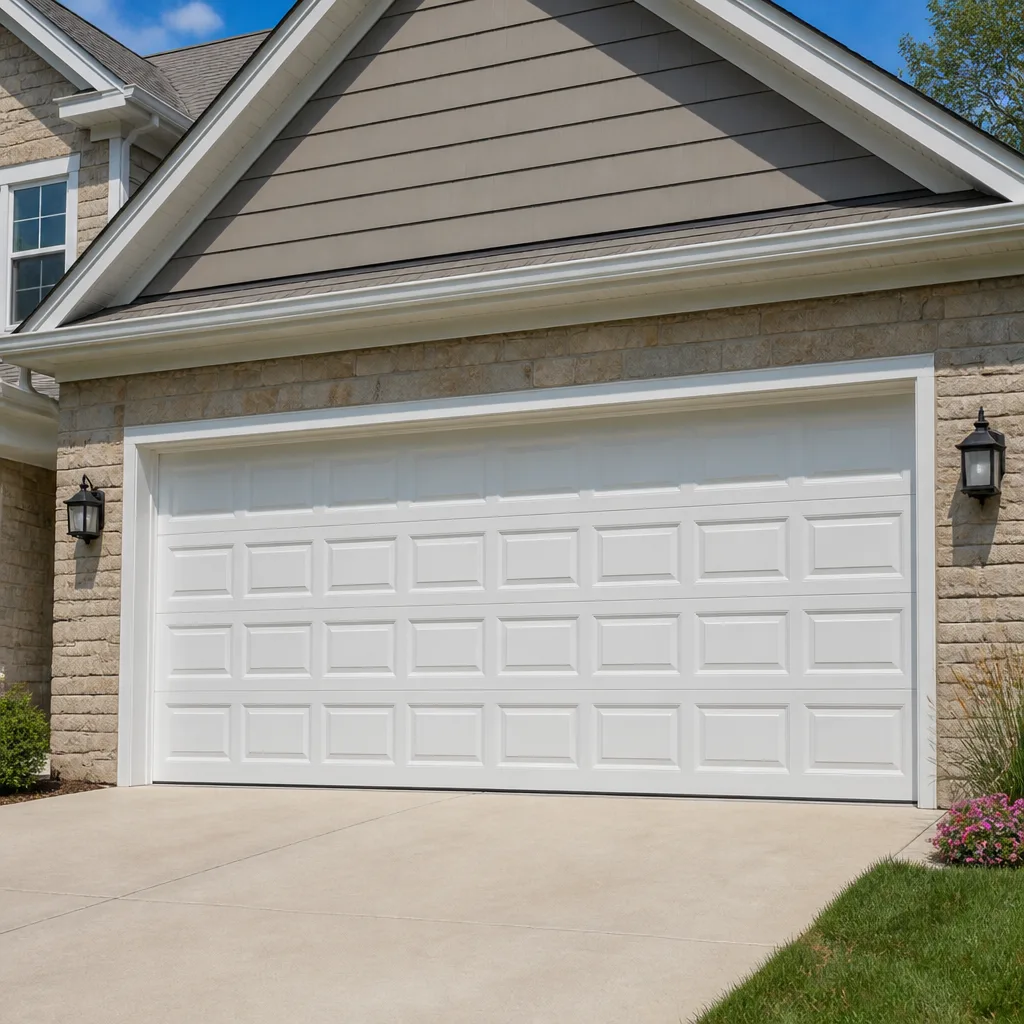 Raised-panel steel
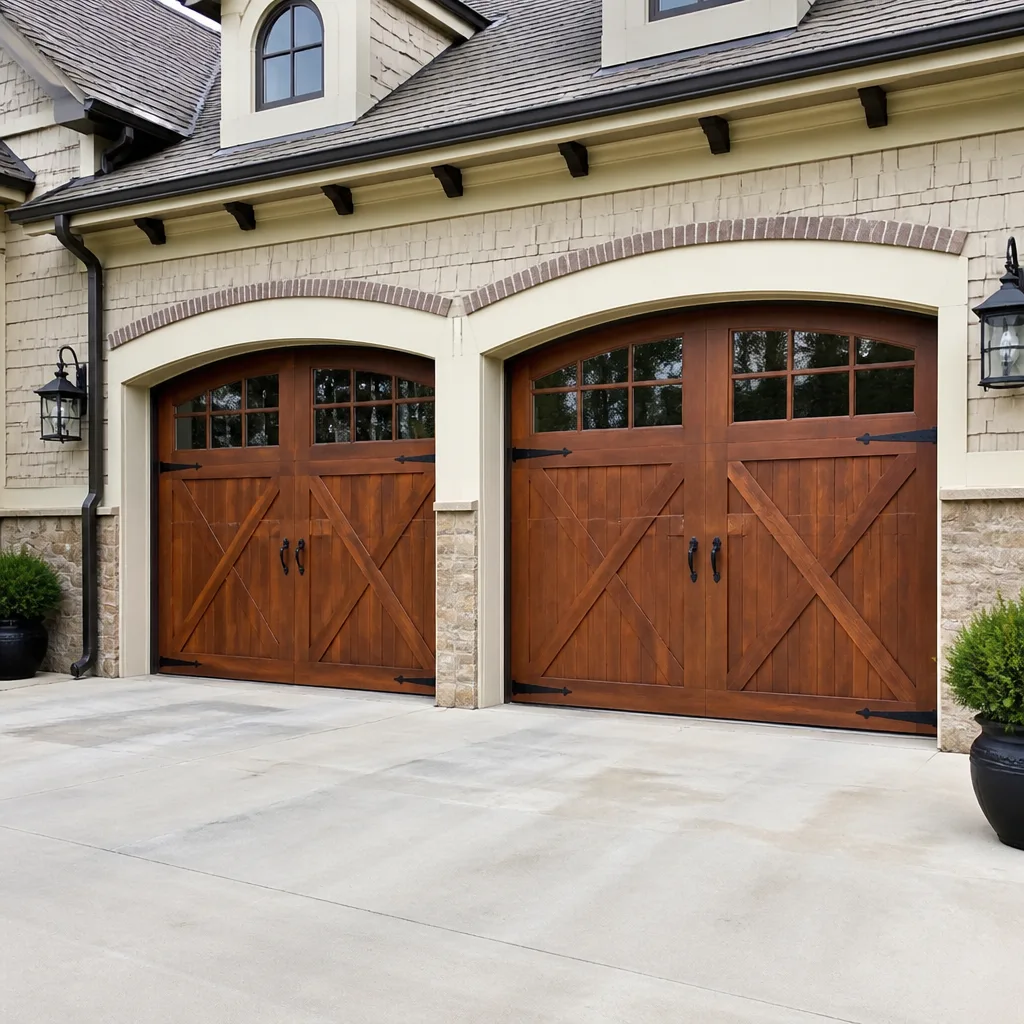 Carriage house
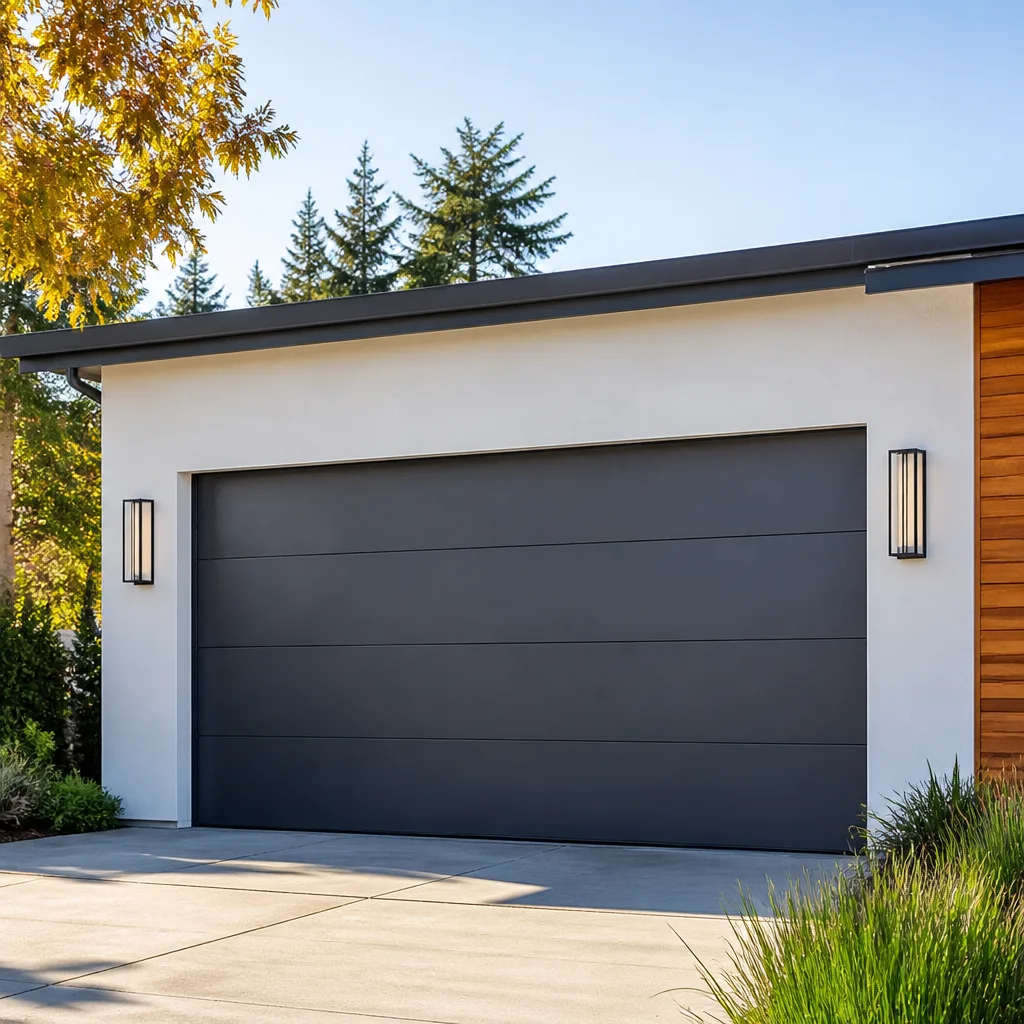 Modern flush
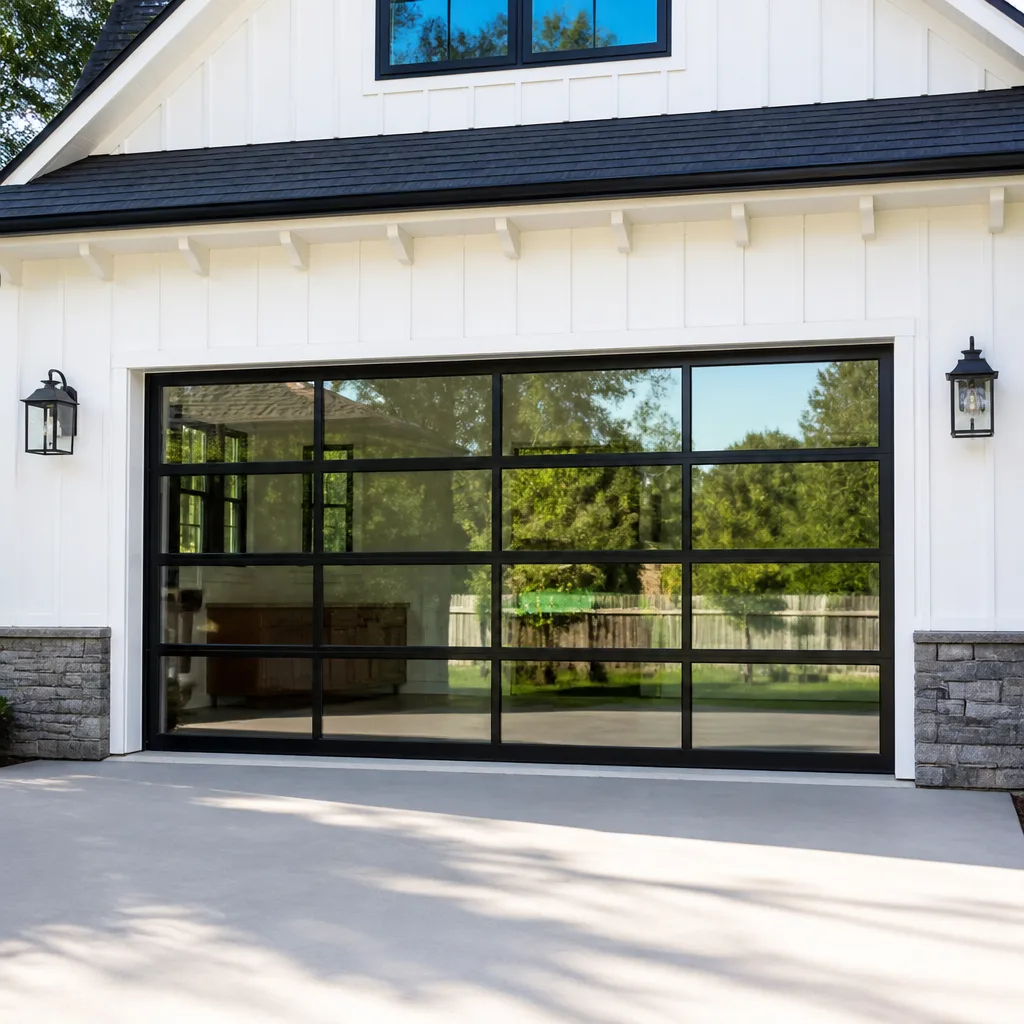 Full-view glass
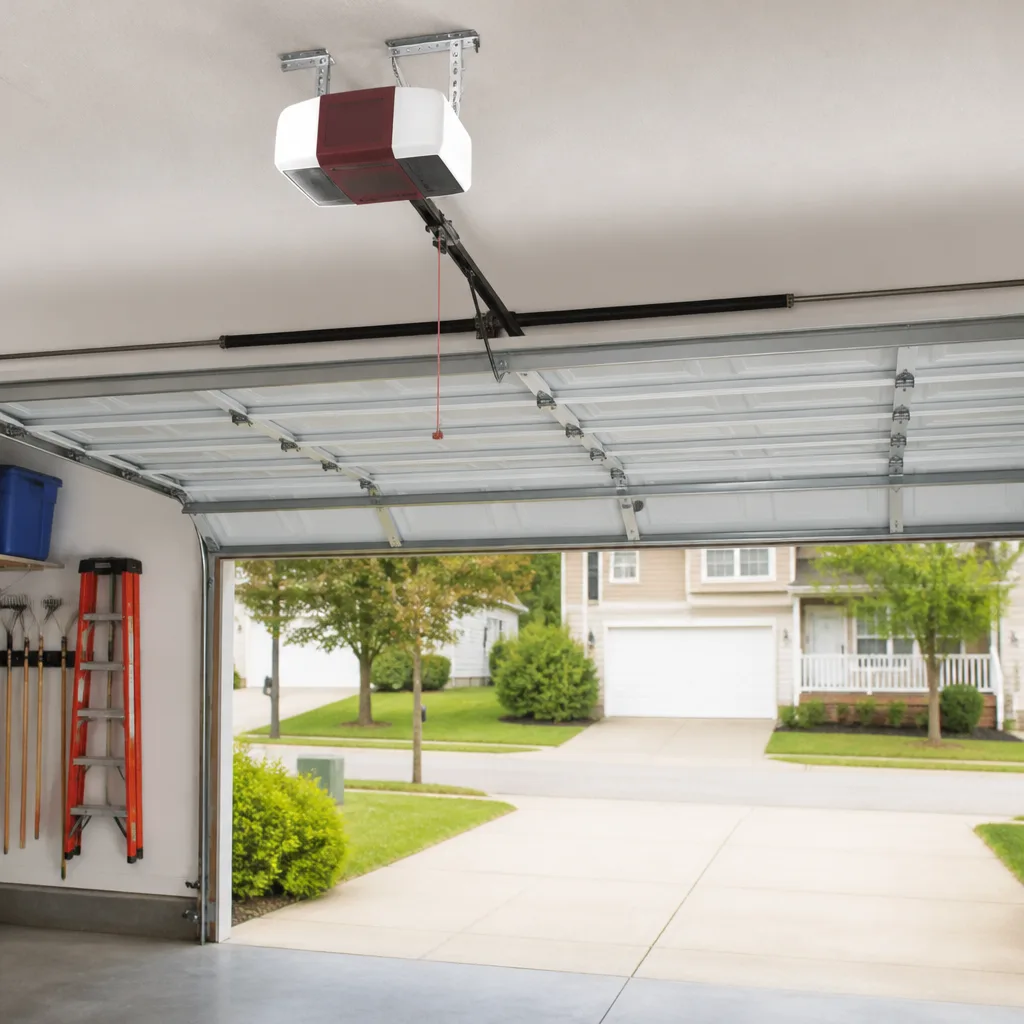 LiftMaster openers
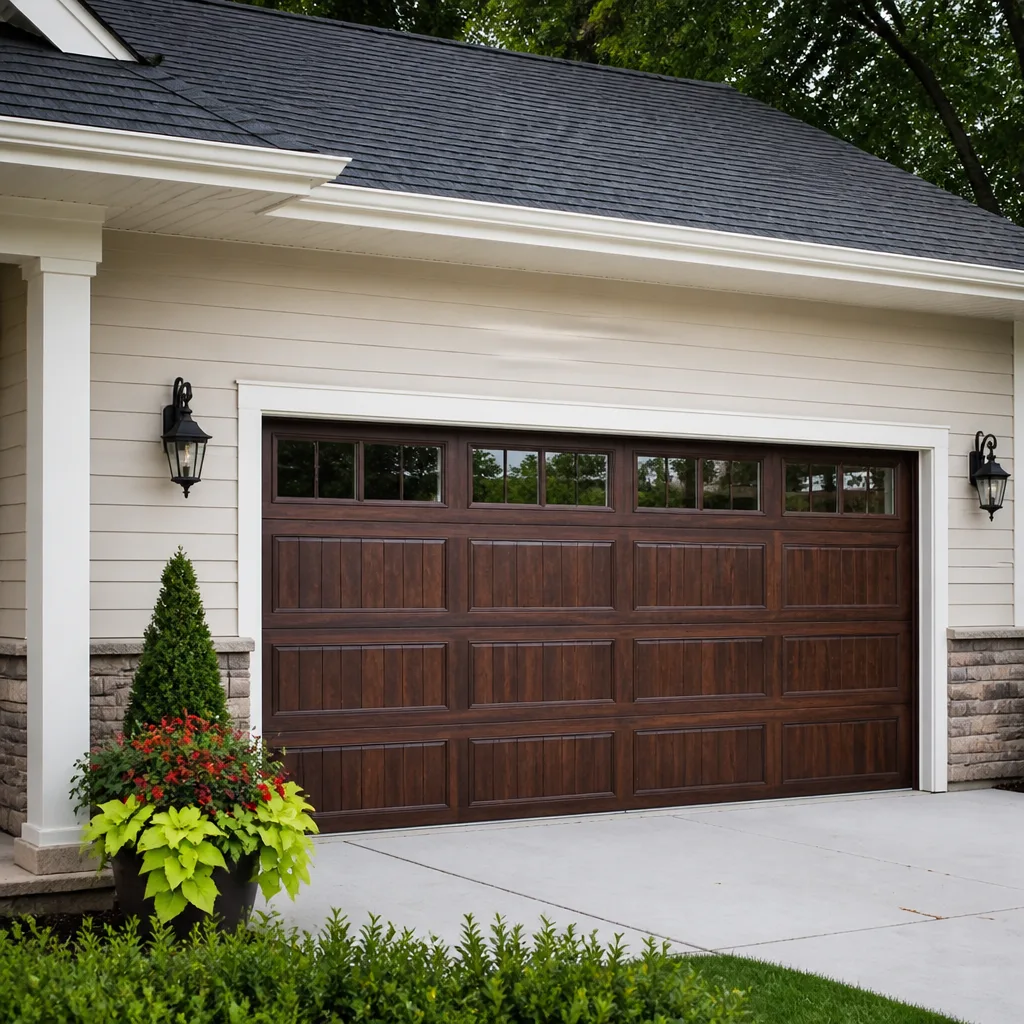 Chamberlain openers
Full 25-point door and opener safety check with every visit - springs, cables, rollers, tracks, and your LiftMaster or Chamberlain opener included
You get a price before we start. It does not change when the pro arrives.
Get your free estimateChoosing the Right Garage Door Brand: A Buyer’s Guide for Deltona
The most popular brand in a showroom catalog isn’t always the easiest one to get parts for in Volusia County. That’s the part of brand selection nobody puts on the brochure. Seven years after a door goes up, what matters isn’t the logo on the panel – it’s whether a matching section, a hanger, or a specific spring can be found without a six-week wait while your car sits in the driveway. In Deltona, where the climate runs hot and humid most of the year and wind requirements shape what gets installed, brand choice is a practical decision before it’s a cosmetic one. This guide walks through which manufacturers build to Florida wind codes as standard, which hold up in inland humidity, which have real parts support here, and how to match a door’s tier to your home and your HOA without over- or under-spending.
Quick Answer
For most Deltona homeowners, the right garage door brand is the one whose standard product line is wind-code compliant, whose parts are stocked within reach of Volusia County, and whose finish holds up in steady humidity – not simply the most advertised name. In practice, that means comparing how each manufacturer delivers wind compliance (built-in versus add-on), weighing steel gauge and coating against fiberglass and aluminum for this climate, and matching insulation to whether your garage is actually conditioned. Clopay, Amarr, Raynor, and CHI all offer strong options, but the specific line matters more than the brand on its own.
Styles & brands we work with
- Raised-panel steel
- Carriage house
- Modern flush
- Full-view glass
- LiftMaster openers
- Chamberlain openers
Table of Contents
- How Florida Wind Codes Change the Brand Question
- Parts Availability and Service Depth in Volusia County
- Material Performance in Deltona’s Climate
- The Truth About Insulation and R-Value
- Matching Brand Tier to Home Value and HOA Rules
- Don’t Forget the Opener Brand
- Questions to Ask Before You Buy
- Common Mistakes to Avoid
How Florida Wind Codes Change the Brand Question
Wind compliance is the single biggest factor separating one brand from another in Deltona – and the biggest source of surprise cost. Some manufacturers build wind-rated doors as part of a standard product line, while others treat reinforcement as a pricey add-on you select at order time. That difference can matter more to your final number than the finish color or the window inserts.
The important distinction is that “wind-rated” isn’t a single thing. A door can be built for a certain design pressure, and whether your home needs a particular rating depends on your location, your home’s configuration, and what your local building department requires. This is where we tell every homeowner the same thing: ask your city’s building department what applies to your address before you order anything. A brand that can’t document its wind performance clearly is a brand to keep at arm’s length, no matter how good it looks on a display floor.
What to look for:
- Built-in compliance versus add-on kits. A standard line that already meets wind requirements is simpler and often cheaper than a base door plus a reinforcement package.
- Documentation. A manufacturer should be able to supply the wind-load documentation your building department wants to see.
- Hardware matched to the door. Reinforcement is only as good as the hinges, tracks, and brackets that go with it. A door rated for wind but hung on light hardware isn’t rated for much.
- Straight answers on lead time. A wind-rated door that takes months to arrive is a real cost if you’re replacing a failed door.
In our experience, Clopay, Amarr, Raynor, and CHI all offer wind-compliant lines, but the way each one structures its catalog differs. Some bundle compliance into the base model, others make you climb to a higher series. Ask any installer to show you which specific line meets your requirement, not just the brand name.
Parts Availability and Service Depth in Volusia County
Here’s the question almost no buyer asks, and almost every owner wishes they had: if a panel, a spring, or a bracket fails in year seven, how fast can the right part be found? In Deltona and the wider Volusia County market, parts availability varies a lot by brand, and it’s the quiet driver of how long a repair takes.
Brands with deep distributor support in Central Florida tend to have a real advantage here. When a manufacturer has local or regional distribution, a replacement section or a specific spring arrives quickly. When a brand is imported in limited quantities or lives mostly online, homeowners face long lead times, and temporary fixes become the only option in the meantime.
A few practical signals of a brand with real service depth:
- Local distributor presence. Ask whether the brand has distributor support in the Central Florida region, or whether it ships from out of state.
- Standardized parts. Brands that reuse the same hinges, rollers, and spring sizes across many models are easier to service than brands that change specifications with every design cycle.
- Documented models. A door with a clear model number on the door itself is easier to match than an unlabeled import.
- Technician familiarity. A brand your local garage door repair technicians already know inside and out is a brand you can actually get fixed.
Our own technicians have up to 12 years of experience, and that experience includes working across eight major brands: LiftMaster, Chamberlain, Genie, Clopay, Amarr, Wayne Dalton, Craftsman, and Raynor. Knowing the door in your driveway matters more than pushing a particular brand – garage doors are all we do. If you want to learn more about how we approach repairs in the area, start with our Deltona service page.
Material Performance in Deltona’s Climate
Deltona’s inland heat and steady humidity are hard on materials, and the differences between steel, fiberglass, and aluminum show up sooner than most homeowners expect. Picking a material is really picking how much maintenance you’re willing to do and how much you care about appearance over durability.
Steel: gauge and coating matter
Steel is the most common choice, and it’s the safest one for most homes here when it’s specified well. The two variables that matter most are steel gauge and coating. Thicker steel resists dents and holds its shape better; a good coating resists rust far longer than a thin one in high humidity. Two doors of the same color and style can differ enormously depending on gauge and finish, so ask for both.
Fiberglass: light, but watch UV
Fiberglass doors are lighter and less prone to denting, and they’re popular for showing off a wood-like look without the upkeep. The catch in this climate is UV exposure. Over years of strong sun, fiberglass panels can fade or chalk, and cheaper gel coats fade faster than better ones. If you go fiberglass, ask specifically about UV resistance in the finish.
Aluminum: corrosion behavior in humid air
Aluminum resists rust better than steel, which sounds ideal for a humid place, but it behaves differently than people expect. In high-humidity inland settings, aluminum can develop oxidation and pitting over time, particularly where finishes chip or fail. It’s a good choice for glass-heavy modern designs and lighter doors, provided the finish is sound.
Wood: beautiful, high-maintenance
Wood doors are gorgeous and uncommon in new Deltona construction for a reason. In humid climates, wood expands, contracts, and needs regular sealing to hold up. If you love the look, a steel or fiberglass door finished to resemble wood is often the more practical pick here.
The Truth About Insulation and R-Value
Insulation value gets marketed harder than almost any other feature, and for many Deltona homes it’s an expensive upgrade with little real return. Here’s the honest version: R-value only pays off if the garage is part of your conditioned space. If your attached garage isn’t cooled and isn’t used as living space, a premium insulated door mostly buys you a quieter operation and a stiffer panel – not lower energy bills.
When insulation does make sense:
- Conditioned garages. If the garage is cooled or heated, insulation genuinely helps hold the temperature.
- Rooms above the garage. An insulated door reduces heat transfer to rooms over the garage.
- Noise-sensitive setups. Insulated panels are quieter, which matters if a bedroom is near the garage.
Brands push insulation hardest because it’s an easy upgrade to sell. Our advice is to decide based on how the garage is actually used. If it’s a parking bay and storage space, a mid-tier insulated door is usually plenty; you don’t need the highest R-value on the market to keep Deltona’s heat out of an unconditioned garage. And if you ever need garage door opener repair, a heavier insulated door puts more demands on the opener, so make sure the opener is rated for the door’s weight.
Matching Brand Tier to Home Value and HOA Rules
The right brand tier depends on your home’s value, your subdivision’s expectations, and what your HOA actually requires – not on which door wins a showroom comparison. Over-spending on a top-tier door in a modest home is a mistake just as real as under-spending in a neighborhood where every other door is a carriage style.
Deltona’s major subdivisions vary widely. Some have architectural review requirements and specific color and style expectations; others are far more relaxed. A door that’s perfectly fine in one neighborhood can trigger a compliance letter in another. Before you order, get your HOA’s written requirements: style, color, window limits, and any restriction on panel design.
A practical way to match tier to home:
- Check home value and comparable homes. Look at the doors on similar homes in your subdivision. Match or modestly exceed that level – not double it.
- Get the HOA rules in writing. Style, color, and window limits first; upgrade level second.
- Weigh lifetime cost, not sticker price. A better-coated steel door that lasts longer can beat a cheaper door that needs work in a few years.
- Don’t over-buy insulation. As covered above, an unconditioned garage rarely justifies a premium insulated door.
- Spend on hardware and installation quality. A mid-tier door hung properly outlasts a premium door installed badly.
We connect homeowners with independent local professionals who install the right door for the home, not the biggest upsell. When you’re ready for a written price, that’s what we quote – and the written estimate is the price.
Don’t Forget the Opener Brand
The door and the opener are two separate brand decisions, and they have to talk to each other. A premium door is only as good as the opener lifting it, and a mismatched opener is a common cause of premature failure. When you’re weighing door brands, weigh the opener brand at the same time.
The major opener brands are just as important to a door’s long life as the panels themselves. LiftMaster, Chamberlain, Genie, and Craftsman openers are everywhere in Deltona, and each has its own quirks – safety sensor alignment, force settings, and travel limits that need to match the door’s weight and dimensions. Our technicians work on all of them, which means when your opener misbehaves, we’re diagnosing the actual system in your garage rather than the one we prefer to sell.
A few rules of thumb:
- Match opener capacity to door weight. A heavy insulated door needs a stronger opener than a light single-panel door.
- Keep the safety sensors clean and aligned. Most “the door won’t close” calls are sensor issues, not opener failures.
- Don’t mix a new door with an old, tired opener. If you’re replacing the door, check whether the opener can handle the new weight.
If the opener is failing, that’s a separate repair from the door itself. Our opener service and Ardent Garage Door Repair team can diagnose and fix the system you have rather than starting you over.
Questions to Ask Before You Buy
A good brand decision comes down to asking the right questions before anything is ordered. Here’s a checklist worth bringing to any installer, including us.
- “Which specific line meets the wind requirement for my address, and is it standard or an add-on?” The catalog line matters more than the brand name.
- “Where do replacement parts for this model come from, and how fast can they arrive?” Ask about distributor support in Central Florida.
- “What’s the steel gauge, and what coating is on it?” These two facts predict how long the door holds up.
- “Do I actually need an insulated door?” If the garage isn’t conditioned, think twice about the premium.
- “Does my HOA restrict style, color, or windows?” Get it in writing before you order.
- “Who services this brand locally if something fails in a few years?” The answer tells you whether the brand has real support here.
Ask these before you sign anything. The answers are the difference between a door that lasts and a door that becomes a parts problem.
Common Mistakes to Avoid
- Choosing by logo instead of by line. Two doors from the same manufacturer can differ enormously in gauge, coating, and wind compliance. Always compare the specific model, not the brand name.
- Skipping the building department. Each address can have different wind requirements. Ask your city’s building department before you order, not after the installer shows up.
- Over-buying insulation. Premium R-value on an unconditioned garage in Deltona’s heat is money spent on a feature you won’t use.
- Ignoring HOA rules until after installation. A door that’s fine in one subdivision can trigger a compliance letter in another. Get the rules in writing first.
- Not asking about parts support. A brand with no local distributor means long waits when a panel or spring fails in year seven.
- Mismatching the opener to the new door. A heavier door on an underpowered opener is a repair waiting to happen. Check the capacity before you buy.
- Buying fiberglass without asking about UV resistance. Cheaper gel coats fade faster in strong sun. Ask specifically about the finish.
See the difference
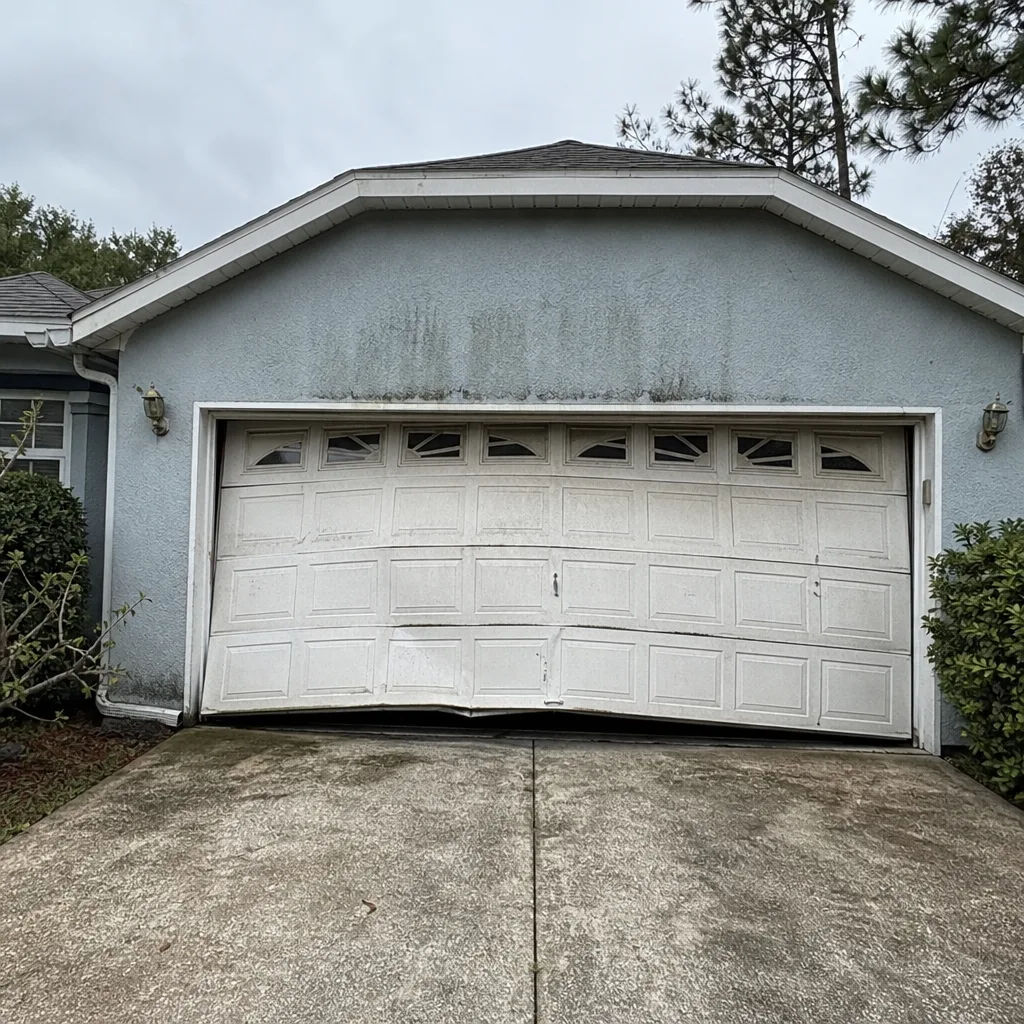 Before
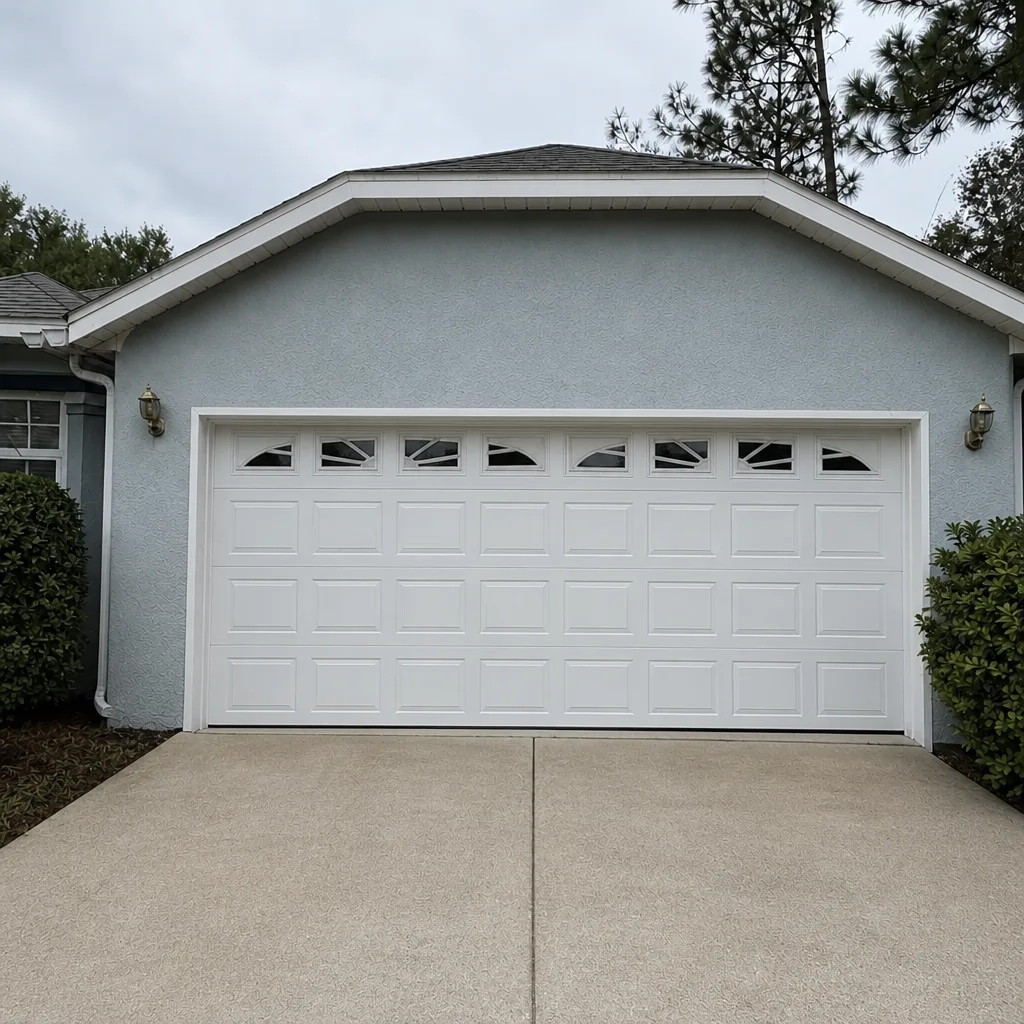 After
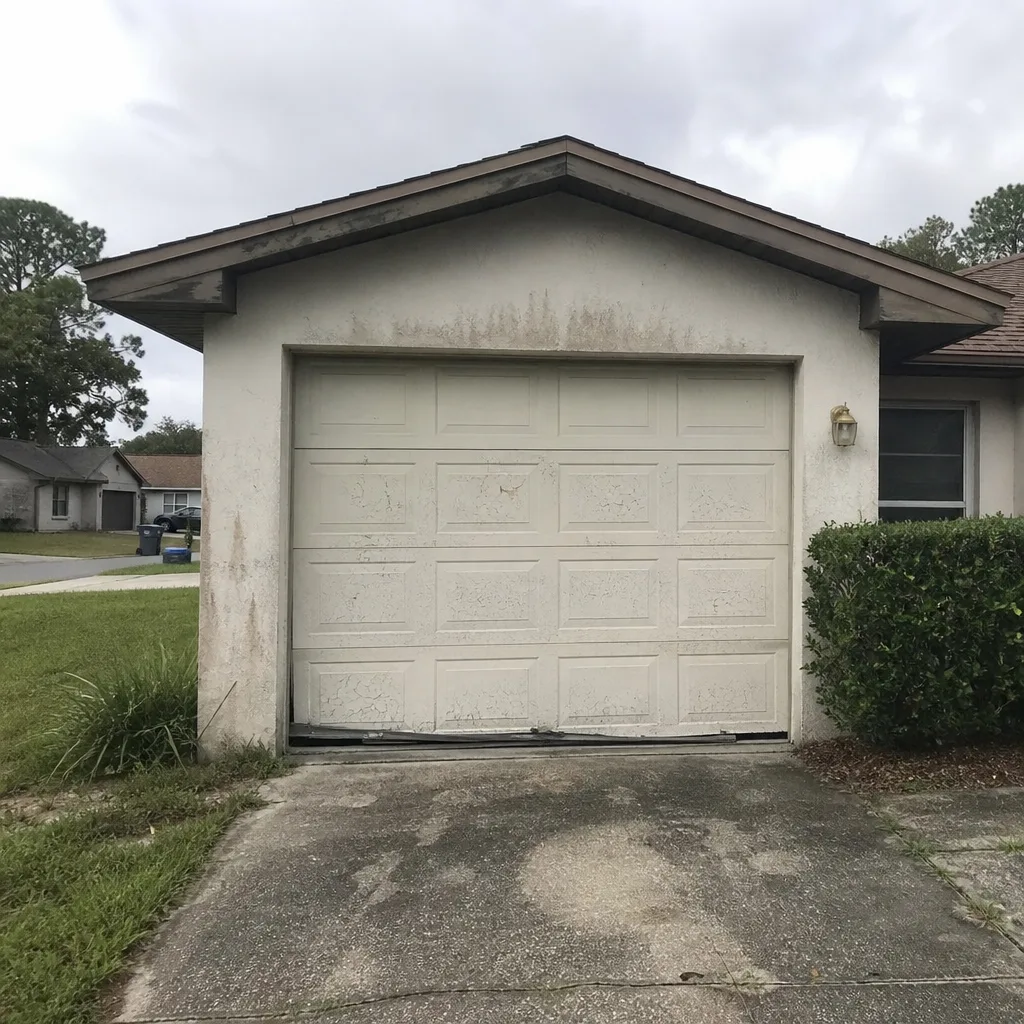 Before
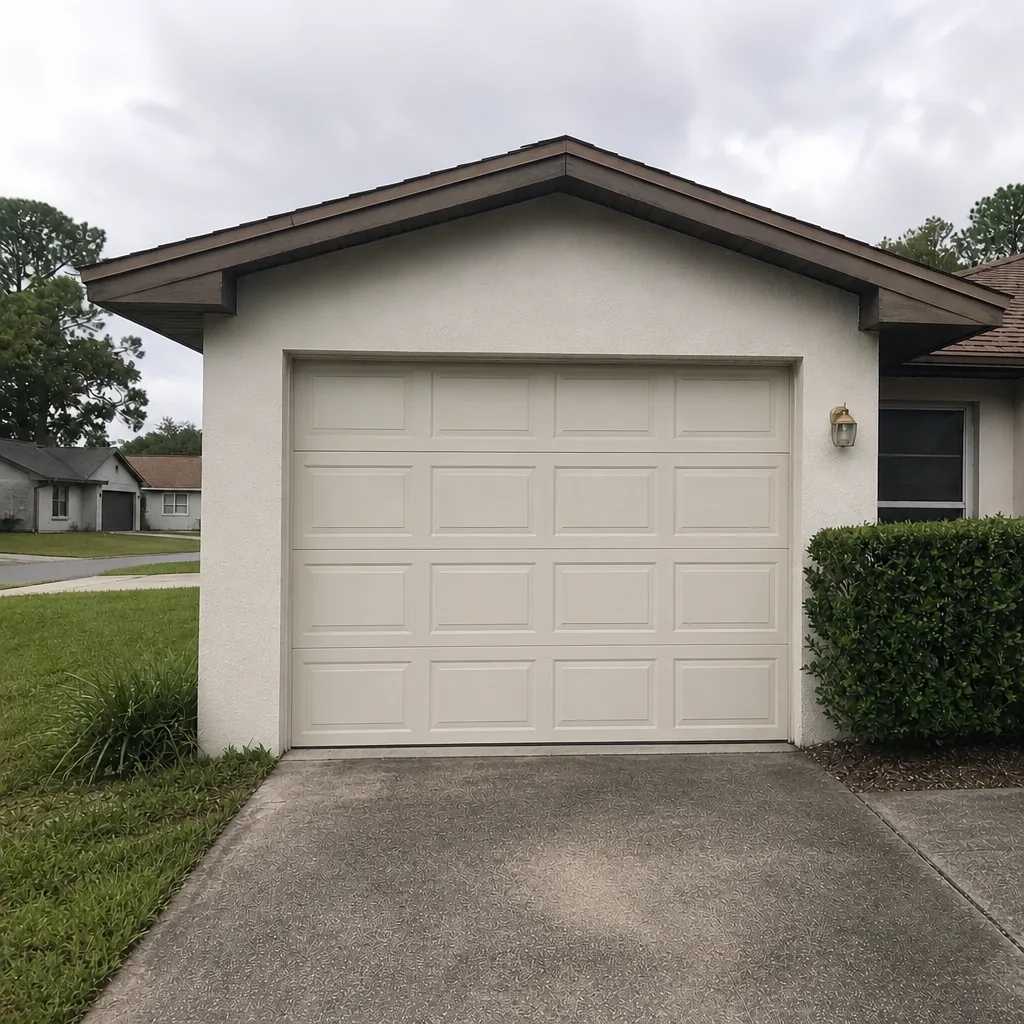 After
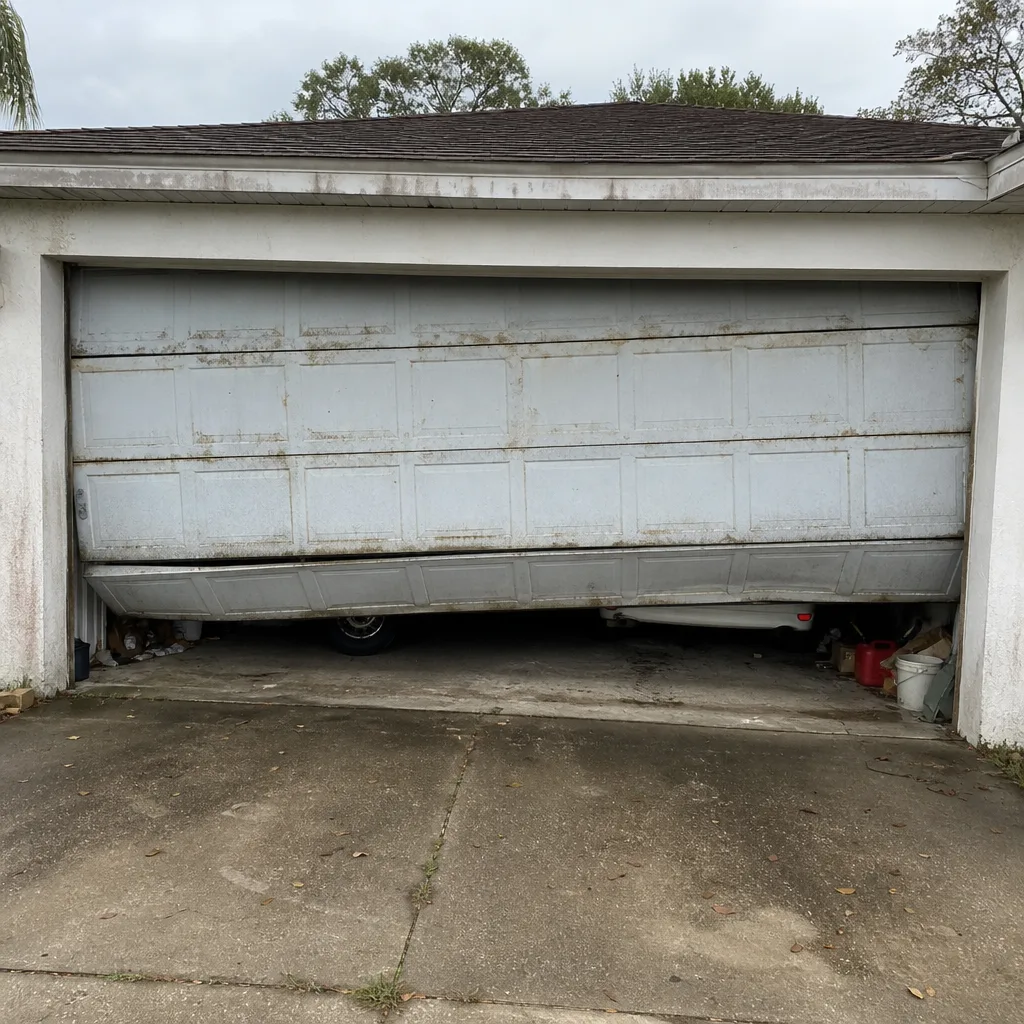 Before
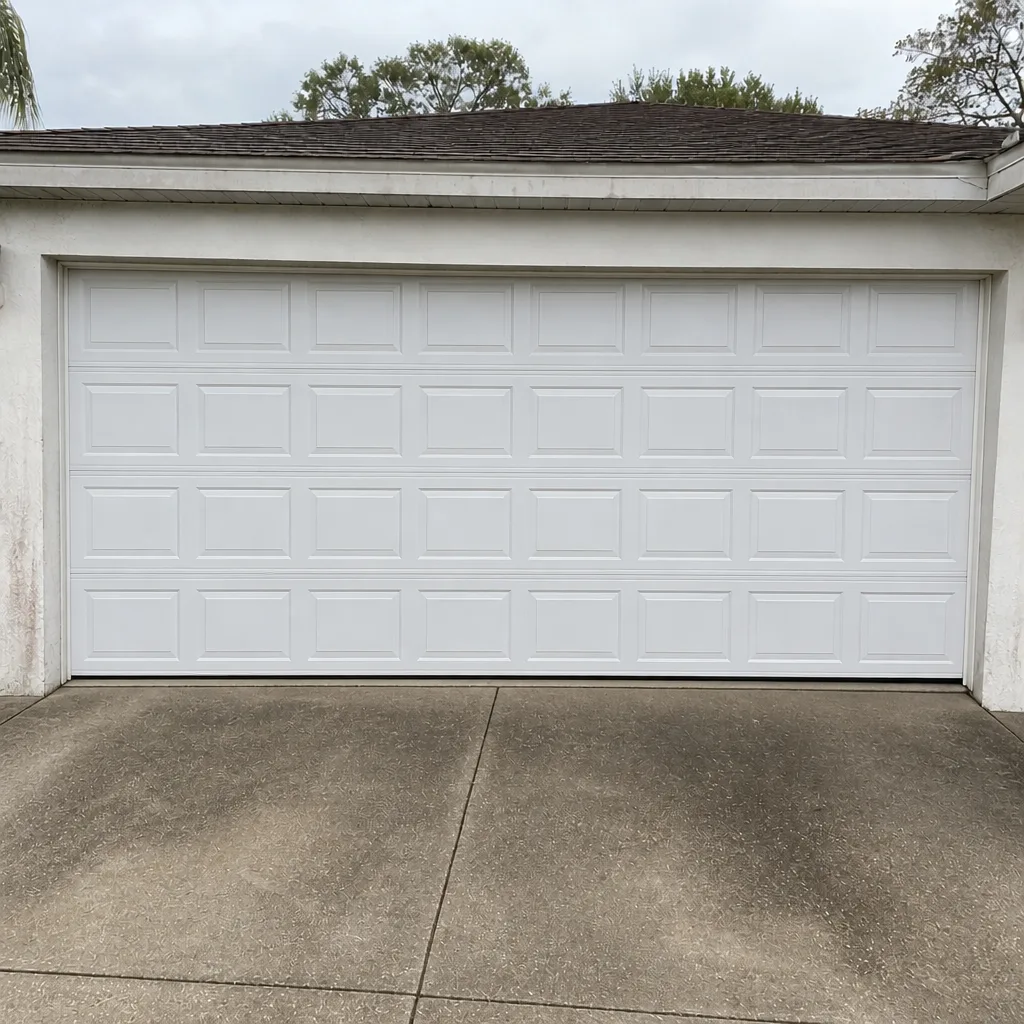 After
When to Call a Professional
Some brand research you can do yourself – reading specs, checking HOA rules, comparing materials. But installation, opener setup, and any repair involving springs or cables belong to a trained professional. Garage door springs and cables are under high tension and can cause serious injury if handled without the right tools and knowledge. We don’t recommend DIY on those components, full stop. Call us for a problem the door has developed, a door that won’t balance or close properly, an opener that’s failed, or a system that needs replacing. Ardent Garage Door Repair offers free estimates in Deltona – call (866) 611-8038 to get a written price before any work begins.
Frequently Asked Questions
There’s no single best brand – the best choice for your Deltona home is the specific product line that meets your wind requirement, has parts support in Volusia County, and fits your HOA rules. Clopay, Amarr, Raynor, and CHI all offer strong wind-compliant options, but the line matters more than the logo. Call (866) 611-8038 for a free estimate and we’ll walk you through the options that fit your home – estimates are free.
Most new installations in Florida need to meet wind requirements, and the specific requirement depends on your address and your home’s configuration. Ask your city’s building department what applies to your property before you order anything. A brand that documents its wind performance clearly is a brand to favor. Call (866) 611-8038 and we can help you sort through the documentation questions.
Only if your garage is conditioned space or has rooms above it – otherwise, an insulated door mostly gives you quieter operation and a stiffer panel, not real energy savings. If your garage is an unconditioned parking and storage bay, a mid-tier insulated door is usually plenty. Call (866) 611-8038 for a straight answer on what fits your setup.
We work on eight major brands – LiftMaster, Chamberlain, Genie, Clopay, Amarr, Wayne Dalton, Craftsman, and Raynor – so we’re working on what’s in your driveway, not what we prefer to sell. Our technicians have up to 12 years of experience. Call (866) 611-8038 and we’ll tell you exactly what we can do for your brand.
It depends heavily on the brand and whether it has distributor support in Central Florida. Brands with local or regional distribution get parts quickly; brands with limited distribution can take weeks. Ask the brand’s local support question before you buy. If your door is down now, call (866) 611-8038 for a free estimate.
Yes – we give a written estimate before any work begins, and the written quote is the price. That includes sizing the door, checking your opener’s capacity, and confirming what your building department and HOA require. Call (866) 611-8038. We answer 24/7. Fast dispatch from 7am to 7pm, Sunday through Friday.
The Bottom Line
Brand selection for a Deltona garage door comes down to four things: wind compliance built into the standard line, parts support you can actually reach from Volusia County, materials that hold up in steady humidity, and a tier that matches your home and HOA rather than a showroom brochure. Clopay, Amarr, Raynor, and CHI all have strong options, but the specific line is the real decision. Don’t over-buy insulation on an unconditioned garage, and don’t ignore the opener brand – the door and opener have to work together. When you’re ready to order or repair, a written estimate gives you the final answer before any work starts.
Ardent Garage Door Repair offers free estimates in Deltona. Call (866) 611-8038 to get started. We answer 24/7. Fast dispatch from 7am to 7pm, Sunday through Friday.
Written by the team at Ardent Garage Door Repair.